
 English
 русский
 Español
 عربى
عربى

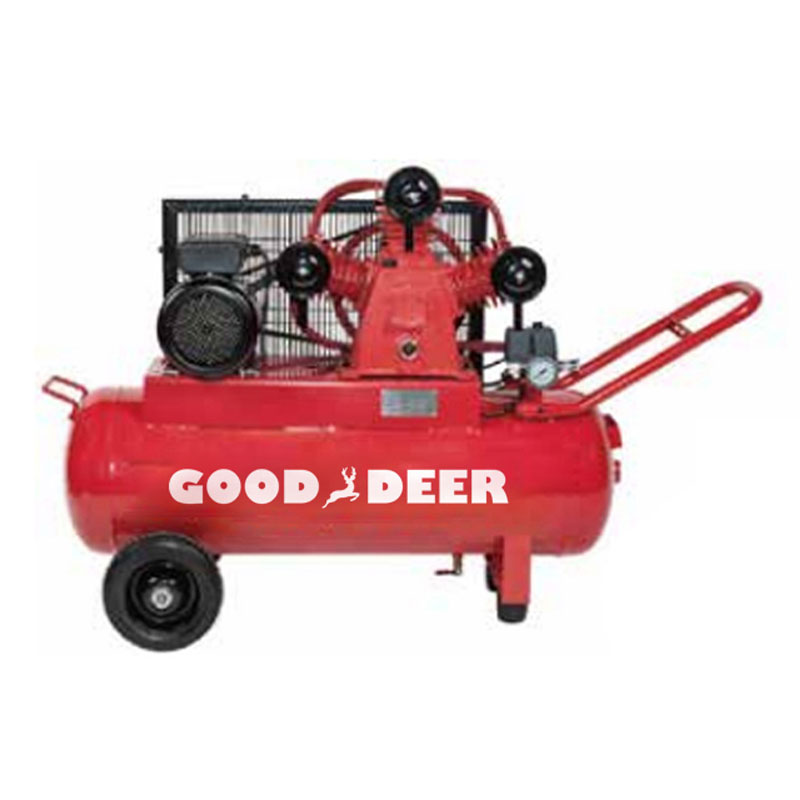
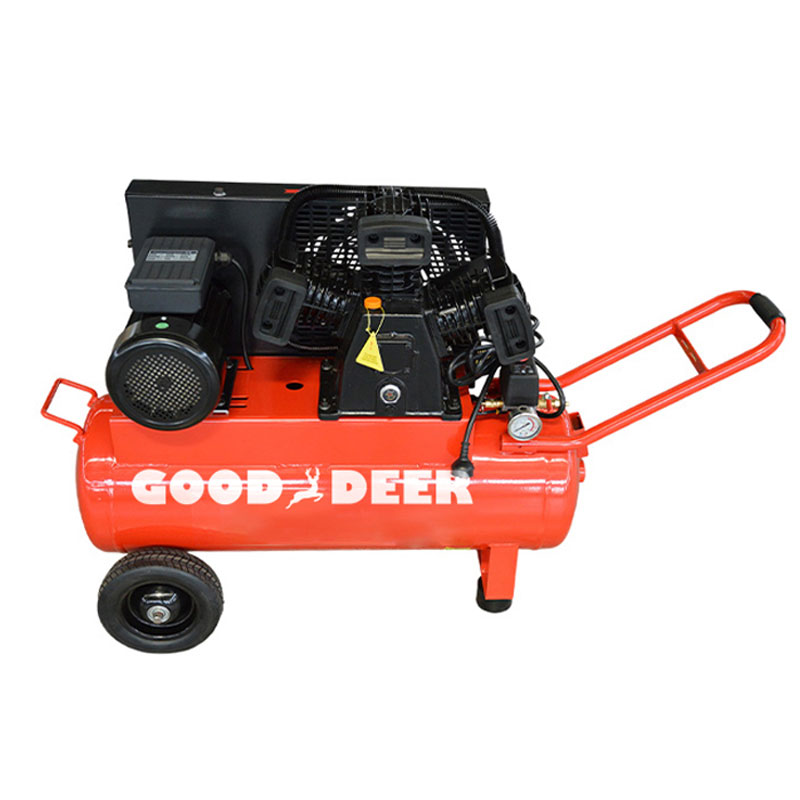
An air compressor works by drawing in ambient air and mechanically reducing its volume, which forces the air molecules closer together and raises the pressure. This stored pressurized air is then delivered through a pipe or hose to power tools, inflate tires, spray paint, or drive industrial processes. The core principle is identical across all compressor types: energy in (electricity or fuel) is converted into potential energy stored as compressed air.
The two most widely used technologies are the piston air compressor (also called a reciprocating compressor) and the screw air compressor (rotary screw compressor). Each uses a fundamentally different mechanism to compress air, resulting in distinct performance profiles, maintenance needs, and ideal use cases. Understanding how each works — and how to choose between them — is the practical focus of this article.
The Core Principle: How Any Air Compressor Works
Every air compressor — regardless of design — follows the same thermodynamic sequence:
- Intake: Atmospheric air (approximately 14.7 psi / 1 bar at sea level) is drawn into the compression chamber through an intake valve or port, typically filtered to remove dust and particulates.
- Compression: A mechanical element — a piston, a pair of helical screws, a rotating vane, or a scroll — reduces the volume of the trapped air. By Boyle's Law (P₁V₁ = P₂V₂ at constant temperature), halving the volume doubles the pressure.
- Discharge: When pressure reaches the target level, the discharge valve opens and compressed air is expelled into a receiver tank or directly into the distribution line.
- Storage and regulation: A pressure switch monitors the tank pressure and cycles the motor on and off (in piston compressors) or modulates capacity (in screw compressors) to maintain pressure within the set range.
Compression generates significant heat — air temperature inside a single-stage piston compressor can exceed 150°C (302°F) during compression. Managing this heat through intercooling, aftercooling, or oil injection is a critical design challenge that separates different compressor types.
How a Piston Air Compressor Works
A piston air compressor uses one or more cylinders fitted with pistons driven by a crankshaft — the same fundamental mechanism as an internal combustion engine, but in reverse: instead of expanding gas pushing a piston down to generate power, an electric motor or engine drives the piston to compress gas.
The Compression Cycle — Step by Step
Each revolution of the crankshaft drives the piston through a complete intake-and-compression cycle:
- Downstroke (intake): The piston moves down, creating a low-pressure zone in the cylinder. The intake valve opens and atmospheric air rushes in to fill the cylinder volume.
- Upstroke (compression): The intake valve closes. The piston moves upward, progressively compressing the trapped air. Pressure rises rapidly as volume decreases.
- Discharge: When cylinder pressure exceeds tank pressure, the discharge valve is forced open and compressed air is pushed into the receiver tank or output line.
- Return: The piston begins its downstroke again, the discharge valve closes (preventing backflow), and the cycle repeats — typically 500 to 1,800 times per minute depending on motor speed and cylinder count.
Single-Stage vs. Two-Stage Piston Compressors
The number of compression stages determines the maximum achievable pressure and efficiency:
- Single-stage: Air is compressed once in a single cylinder from atmospheric pressure directly to delivery pressure — typically 90–135 psi (6–9 bar). Simple, compact, and lower cost. Best for intermittent workshop use.
- Two-stage: Air is compressed in a first (larger) cylinder to an intermediate pressure of around 40–60 psi, cooled in an intercooler, then compressed again in a second (smaller) cylinder to final delivery pressures of 150–175 psi (10–12 bar). Intercooling dramatically reduces the work required in the second stage, improving energy efficiency by 10–15% over single-stage designs at the same final pressure.
Oil-Lubricated vs. Oil-Free Piston Compressors
Piston compressors come in two lubrication variants that significantly affect air quality and maintenance:
- Oil-lubricated: Cylinder walls and bearings are lubricated with oil, reducing wear and enabling longer continuous run times. However, small amounts of oil aerosol enter the compressed air — unsuitable for food, pharmaceutical, or painting applications without downstream filtration. Oil changes are required every 500–1,000 hours.
- Oil-free: Cylinders are lined with PTFE (Teflon) or other self-lubricating materials, producing Class 0 oil-free air according to ISO 8573-1. Higher initial cost and shorter piston/ring life than oil-lubricated models, but essential for clean-air applications.
Key Performance Numbers for Piston Compressors
To set realistic expectations, typical piston air compressor specifications fall within these ranges:
- Power range: 0.5 hp to 30 hp (0.37–22 kW) for most commercial/industrial units
- Flow rate: 1 to 100+ CFM (0.03–2.8 m³/min)
- Duty cycle: 50–75% for most piston models (run time cannot exceed 75% of any 10-minute period)
- Typical lifespan: 5,000–15,000 hours before major overhaul
How a Screw Air Compressor Works
A screw air compressor uses two interlocking helical rotors — a male rotor (with convex lobes) and a female rotor (with concave flutes) — that spin in opposite directions inside a precisely machined housing. Air is compressed continuously rather than in discrete strokes, making screw compressors the preferred choice for continuous industrial duty where demand for compressed air never stops.
The Compression Sequence in a Screw Compressor
Unlike the piston's reciprocating back-and-forth motion, compression in a screw compressor is a smooth, continuous rotational process:
- Intake: As the rotors turn, air is drawn into the open intake port at the inlet end and trapped in the spaces between the rotor lobes and the housing wall.
- Transport and sealing: The meshing of the rotors progressively closes off the trapped air pockets as they travel along the length of the rotors from the inlet to the outlet end.
- Compression: As the lobes mesh more tightly toward the outlet, the trapped air volume decreases continuously and pressure rises. Typical compression ratios range from 7:1 to 13:1 in a single stage.
- Discharge: When the trapped air pocket reaches the discharge port at the outlet end of the rotors, it is expelled into the separator/receiver system at full delivery pressure.
Oil-Injected vs. Oil-Free Screw Compressors
The majority of screw air compressors used in manufacturing and industry are oil-injected designs:
- Oil-injected (flooded): Oil is injected directly into the compression chamber during compression. It serves three simultaneous functions — lubrication of the rotors, cooling of the air being compressed (keeping discharge temperature below 100°C), and sealing the tiny clearances between the rotors and housing. The oil is then separated from the compressed air in a downstream separator and recycled. Oil carryover in the delivered air is typically 2–5 ppm, which is acceptable for most industrial applications.
- Oil-free screw: The rotors are machined to extremely tight tolerances so they never touch and require no internal lubrication. External timing gears keep the rotors synchronized. These produce genuinely oil-free air (ISO 8573-1 Class 0) but require two-stage compression with intercooling to manage heat, making them significantly larger and more expensive — typically 30–50% higher capital cost than equivalent oil-injected models.
Variable Speed Drive (VSD) Screw Compressors
A significant advancement in screw compressor technology is the integration of a Variable Speed Drive (VSD), which adjusts motor speed in real time to match actual air demand. Fixed-speed screw compressors waste energy idling at full speed when demand drops; a VSD compressor can reduce motor speed proportionally, saving 20–35% in energy costs in applications with variable demand — which is the majority of manufacturing environments. Since energy accounts for up to 80% of a compressor's lifetime cost, VSD technology typically delivers a return on investment within 2–4 years.
Key Performance Numbers for Screw Compressors
- Power range: 5 hp to 500+ hp (3.7–375+ kW)
- Flow rate: 20 to 3,000+ CFM (0.6–85+ m³/min)
- Duty cycle: 100% — designed for continuous operation 24/7
- Typical lifespan: 40,000–80,000 hours before major overhaul with proper maintenance
- Noise level: 60–75 dB(A) — significantly quieter than equivalent piston models
Piston vs. Screw Air Compressor: A Direct Comparison
The choice between a piston air compressor and a screw air compressor comes down to duty cycle, flow requirements, budget, and operating environment. The following table summarizes the critical differences:
| Factor | Piston Air Compressor | Screw Air Compressor |
|---|---|---|
| Compression Method | Reciprocating piston (intermittent) | Rotating helical screws (continuous) |
| Duty Cycle | 50–75% | 100% |
| Typical Pressure Range | 90–175 psi (6–12 bar) | 80–200 psi (5.5–14 bar) |
| Flow Rate Range | 1–100 CFM | 20–3,000+ CFM |
| Initial Cost | Lower ($300–$5,000 typical) | Higher ($3,000–$50,000+) |
| Noise Level | 75–90 dB(A) | 60–75 dB(A) |
| Maintenance Interval | Every 500–1,000 hours | Every 2,000–8,000 hours |
| Service Life | 5,000–15,000 hrs | 40,000–80,000 hrs |
| Energy Efficiency | Moderate | Higher (esp. with VSD) |
| Best For | Workshops, garages, intermittent use | Manufacturing, 24/7 industrial use |
Other Air Compressor Types Worth Knowing
While piston and screw compressors dominate the market, several other technologies serve specific niches:
Rotary Vane Compressor
Uses an off-center rotor with spring-loaded vanes inside a cylindrical housing. As the rotor spins, the vanes slide in and out, trapping and compressing air pockets between the vanes, rotor, and housing wall. Output is continuous and relatively smooth. Typical pressure range: 7–10 bar. Common in dental offices, tire service centers, and light manufacturing. Lower initial cost than screw compressors for small capacities (up to ~50 CFM).
Scroll Compressor
Two spiral (scroll) elements — one fixed, one orbiting — compress air in progressively smaller pockets as the orbiting scroll moves. Scroll compressors produce very little vibration, low noise (typically below 65 dB), and are inherently oil-free in most designs. They are widely used in medical air systems, laboratories, and electronics manufacturing where Class 0 oil-free air and quiet operation are mandatory. Typical sizes: 1–15 hp.
Centrifugal (Turbo) Compressor
Uses a high-speed impeller rotating at 15,000–50,000 RPM to impart velocity to air, which is then converted to pressure in a diffuser. Completely oil-free by design. Delivers very high flow rates — from 500 to 100,000+ CFM — at moderate pressures (4–10 bar). Used in large-scale chemical plants, steel mills, wastewater treatment, and large automotive assembly plants. Very high capital cost but extremely low specific energy consumption at large scales.
Critical Air Compressor Specifications Explained
When selecting or comparing air compressors, these are the specifications that actually determine whether a unit will meet your needs:
CFM (Cubic Feet per Minute) — Actual Flow Rate
CFM is the most important specification. It describes the volume of air the compressor delivers at a given pressure — not the displacement volume of the cylinder or rotors. Always compare SCFM (Standard CFM) at your required delivery pressure (e.g., 90 psi or 125 psi), not peak CFM at zero pressure. A common mistake is selecting a compressor rated at 10 CFM at 40 psi for a tool that requires 8 CFM at 90 psi — the actual output at 90 psi may be only 5–6 CFM, causing chronic pressure drops.
PSI / Bar — Maximum Pressure
The maximum rated discharge pressure determines whether the compressor can meet the highest pressure demand in your system. As a rule, select a compressor rated at 25–30% above your highest required tool pressure to account for pressure drops in piping and allow headroom for simultaneous tool use. Most workshop tools require 70–100 psi; most industrial processes require 100–175 psi.
Tank Size (Gallons / Liters)
The receiver tank acts as a buffer, storing compressed air to meet short-term demand spikes and reducing the number of motor start-stop cycles. A larger tank allows tools with intermittent high demand (like impact wrenches) to work longer before the motor cycles on. For a piston compressor at 60-gallon tank, a 5 hp motor might run 30–45 seconds and rest 90–120 seconds under moderate workshop use — well within the 50–75% duty cycle limit.
Specific Power (kW per m³/min or HP per CFM)
This is the efficiency metric that matters most for operating cost calculations. The best oil-injected screw compressors achieve a specific power of 5.5–6.5 kW per m³/min at 7 bar. Piston compressors typically achieve 7–9 kW per m³/min at the same pressure — 20–40% less efficient. Over a 40,000-hour compressor lifespan, this difference in specific power translates directly to tens of thousands of dollars in electricity costs.
How to Choose the Right Air Compressor for Your Application
Use this decision framework to match the compressor type and size to your actual requirements:
- Calculate your total air demand. List every tool or process that will use compressed air simultaneously. Add up their CFM requirements at your required pressure. Add a 25% safety margin for future expansion and system leaks (industry studies suggest up to 30% of compressed air is lost to leaks in average systems).
- Determine your duty cycle. If you need compressed air for more than 60–70% of every working hour, a piston compressor will overheat and fail prematurely. Choose a screw compressor for continuous or near-continuous demand.
- Assess air quality requirements. Food, medical, electronics, and pharmaceutical applications require ISO 8573-1 Class 0 oil-free air. This means an oil-free piston, scroll, or oil-free screw compressor — not an oil-injected unit, even with downstream filtration, for the strictest applications.
- Evaluate the operating environment. Dusty or hot environments reduce compressor performance and lifespan. Confined spaces require quieter screw or scroll designs. Explosion-proof motors are mandatory in hazardous atmospheres.
- Calculate total lifecycle cost, not just purchase price. A screw compressor that costs $8,000 upfront but runs at 6 kW/m³/min will have a lower 10-year total cost of ownership than a $2,000 piston unit that runs at 8.5 kW/m³/min under continuous duty — because electricity over 10 years dwarfs the capital cost difference.
| Application | Typical Demand | Recommended Type |
|---|---|---|
| Home garage / DIY | 2–10 CFM, intermittent | Single-stage piston |
| Auto body shop / spray painting | 10–30 CFM, semi-continuous | Two-stage piston or small screw |
| Small manufacturing plant | 50–200 CFM, continuous | Oil-injected screw (VSD) |
| Food / pharmaceutical production | 20–500 CFM, continuous | Oil-free screw or scroll |
| Dental / medical office | 2–15 CFM, intermittent | Oil-free scroll or piston |
| Large industrial plant | 500+ CFM, 24/7 | Centrifugal or multi-screw system |
Essential Maintenance Tasks for Air Compressors
Regardless of type, compressed air systems require routine maintenance to sustain performance, efficiency, and safety. Neglected compressors not only fail prematurely but also consume significantly more energy — studies show that a poorly maintained compressor can use 20–30% more electricity than a well-maintained unit producing the same output.
Piston Compressor Maintenance Schedule
- Daily: Drain condensate from the receiver tank (water accumulates from compressed air moisture and causes rust and corrosion internally).
- Every 3 months or 500 hours: Clean or replace the air intake filter; check belt tension and condition (belt-driven models); inspect valve condition on accessible heads.
- Every 6–12 months or 1,000 hours: Change compressor oil (oil-lubricated models); inspect and replace piston rings if output pressure has declined; check safety relief valve operation.
- Every 2,000–5,000 hours: Full valve inspection and rebuild; bearing inspection; cylinder bore measurement for wear.
Screw Compressor Maintenance Schedule
- Daily: Check oil level (oil-injected models); verify operating parameters on the controller panel; confirm no fault codes or temperature alarms.
- Every 2,000 hours: Replace the air/oil separator element; change compressor oil and oil filter; replace inlet air filter element.
- Every 4,000–8,000 hours: Check and lubricate motor and fan bearings; inspect coupling or belt drive; clean cooler fins (blocked coolers are the leading cause of overtemperature shutdowns).
- Every 16,000–24,000 hours: Major overhaul including rotor inspection, bearing replacement, and seal kit replacement — essential for maintaining efficiency and preventing catastrophic failure.