
 English
 русский
 Español
 عربى
عربى

Introduction
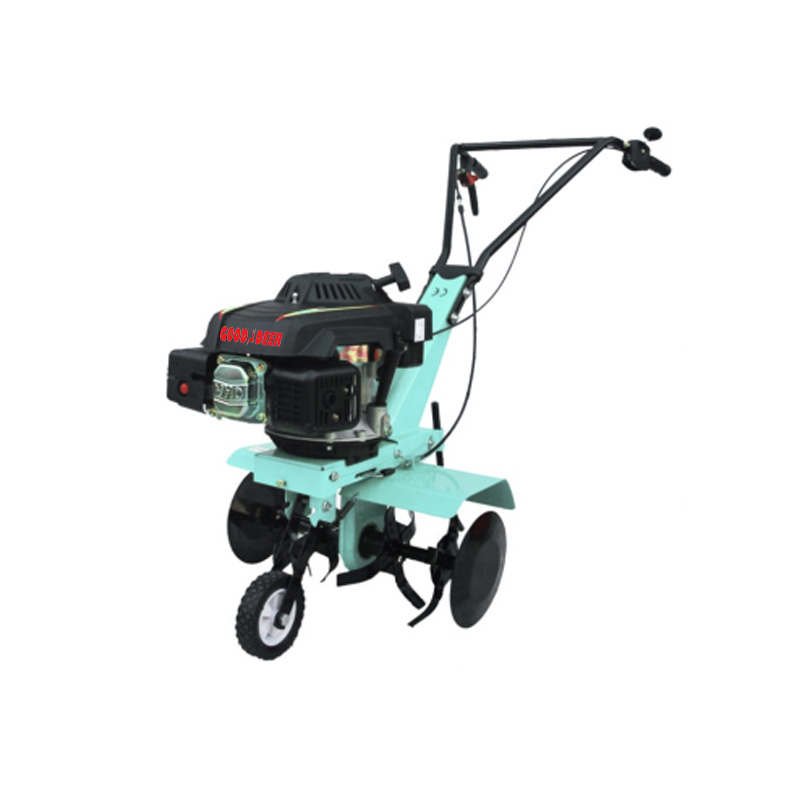
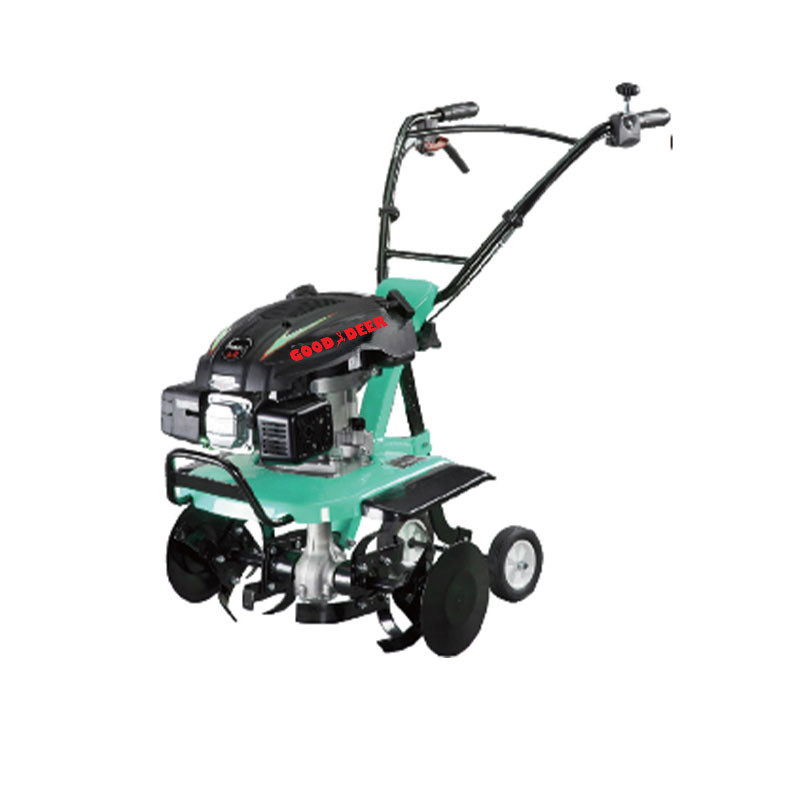
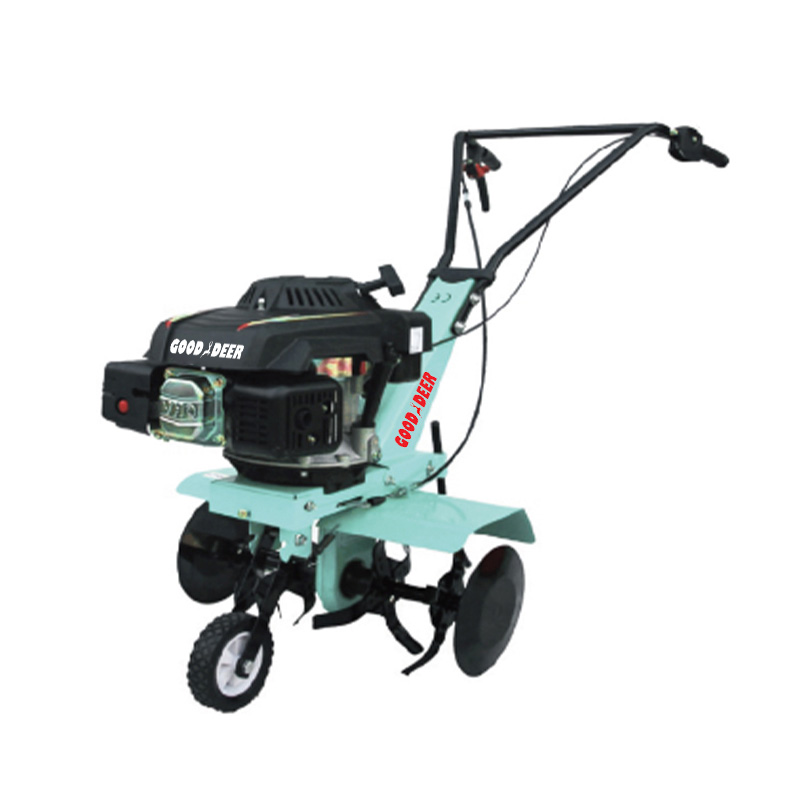
A small rotary tiller is a powerful gardening tool designed to break up and aerate soil, making it easier to plant and maintain a healthy garden. These compact machines are perfect for homeowners who want to cultivate smaller garden spaces without the need for large, cumbersome tillers. Unlike traditional manual tools or larger machinery, a small rotary tiller allows gardeners to work more efficiently, saving time and effort while also improving the soil's texture and quality.
The primary purpose of a small rotary tiller is to prepare soil for planting, whether you're working in a flower bed, vegetable patch, or other small garden areas. By breaking up compacted soil and removing weeds, a rotary tiller creates a loose, airy environment that promotes better root growth.
For gardeners with limited space or those looking to save on storage, the benefits of using a small rotary tiller are clear. These tillers are typically lightweight, easy to maneuver, and perfect for use in smaller yards and gardens. Whether you prefer a gas-powered tiller for extra power or an electric tiller for quieter, more eco-friendly operation, there’s a perfect option to fit your needs.
What to Look for in a Small Rotary Tiller
When choosing a small rotary tiller for your garden, it's important to consider several key factors to ensure you select the right model that best suits your needs. These factors include the tilling width and depth, engine power, ease of use, weight, storage capabilities, and price.
Tilling Width and Depth
One of the most important considerations when selecting a rotary tiller is the tilling width and depth. These factors determine how much ground the tiller can cover in one pass and how deeply it can cultivate the soil.
- Tilling Width: This refers to how wide an area the tiller can cover with each pass. Small rotary tillers typically range from 6 to 18 inches in width. For small gardens, a narrower tilling width (around 6 to 10 inches) might be sufficient, especially if you’re working in tight spaces or flower beds. However, for slightly larger areas or vegetable gardens, a tiller with a wider width (12 to 18 inches) will save you time and effort by covering more ground.
- Tilling Depth: This refers to how deep the tiller can reach into the soil. The depth of tilling typically ranges from 4 to 10 inches, with deeper tilling being ideal for breaking up compacted soil or mixing compost into the ground. If your garden has dense or clay-heavy soil, a tiller with a deeper tilling depth will be more effective. However, for regular soil types or for lighter tasks like weeding, a shallower depth is often sufficient.
A good balance between tilling width and depth ensures that you can efficiently prepare your soil while maintaining control over the tool’s maneuverability.
Engine Power (Gas vs. Electric)
The type of engine powering your rotary tiller plays a significant role in its performance, particularly in terms of power, noise, and maintenance requirements. Generally, there are two main types of engines to choose from: gas-powered and electric-powered.
- Gas-Powered Tillers: These tillers typically offer more power and are better suited for larger or tougher jobs. Gas engines range from 2 to 5 horsepower, providing the necessary torque to work through compacted soil or larger areas. They are ideal for medium to large gardens or if you need to till soil with dense weeds or heavy clay. However, gas-powered tillers are generally louder, require more maintenance (such as oil changes), and emit fumes, which may not be ideal for those with environmental concerns or who are sensitive to noise.
- Electric Tillers: Electric tillers are quieter and more eco-friendly. They come in two varieties: corded and cordless. Corded electric tillers are powered through an extension cord and provide consistent power but are limited by the length of the cord. Cordless models run on rechargeable batteries, offering greater mobility but often with limited run time per charge. Electric tillers typically have less power than gas models, making them better suited for small to medium-sized gardens with loose, loamy soil or for routine garden maintenance. They are lightweight, easy to operate, and require minimal maintenance, making them a convenient option for many homeowners.
When deciding between gas and electric, consider the size of your garden, the type of soil, and your personal preference for maintenance. Gas-powered models are often more durable for tougher tasks, while electric models are easier to handle and more environmentally friendly.
Ease of Use and Maneuverability
Another critical factor to consider is how easy the tiller is to operate and maneuver. Smaller rotary tillers are generally lighter and more compact, but ease of use can vary depending on the design and features. Some factors to look for include:
- Handlebars and Grip: Adjustable handlebars can make a big difference in comfort, allowing you to change the height to suit your posture and ensure that you don’t strain your back while operating the tiller. Additionally, ergonomic grips make it easier to maintain control for extended periods, reducing hand fatigue.
- Maneuverability: The size and design of the tiller affect how easily you can maneuver it around garden beds, between rows of plants, and in tight spaces. Front-tine tillers are generally easier to control for small gardens as they pull the tiller through the soil, making them ideal for light to moderate soil preparation. On the other hand, rear-tine tillers are more powerful but may be more difficult to control for tight spaces.
- Weight: Lighter models are easier to handle and require less effort to push or guide. However, a tiller that’s too light may struggle with tougher soil types. Look for a model that strikes a balance between weight and power, offering both maneuverability and sufficient performance for your needs.
Weight and Storage
Since small rotary tillers are designed for compact gardens, their weight is a critical factor. Lighter models (weighing around 10 to 20 pounds) are generally easier to handle and maneuver, but they may not provide the same level of power or durability as heavier models. Heavier tillers (weighing 30 to 50 pounds) offer more power but can be harder to control, especially for those who have less strength or experience.
When considering weight, it’s important to keep in mind storage. Small tillers are easier to store than larger models, but you should still look for a design that’s easy to store in your shed or garage. Some models offer foldable handles for easy storage, while others may have wheels to make it easier to move and store.
Price
The price of a small rotary tiller can vary greatly, depending on the engine type, features, and brand. In general, you can expect to pay:
- Electric Tillers: Prices for electric models typically range from $100 to $300, depending on the power, features, and battery life (for cordless models). Corded models tend to be cheaper than cordless ones due to the added expense of batteries and chargers.
- Gas-Powered Tillers: Gas-powered tillers are generally more expensive, with prices ranging from $200 to $600 or more, depending on the power and size. Larger, more powerful models tend to be at the higher end of the price range.
While the upfront cost is important, also consider the long-term value. Electric tillers have lower operating costs due to their minimal maintenance needs, while gas-powered models require regular maintenance (oil changes, spark plug replacement, etc.) and fuel costs.
Final Thoughts
When shopping for a small rotary tiller, the key is to consider your garden size, soil type, and personal preferences. A gas-powered model may be the best option for those with larger, tougher gardens, while an electric model might be ideal for smaller, low-maintenance areas. Additionally, factors like ease of use, weight, and storage are essential for making the tiller manageable and convenient.
How to Use a Small Rotary Tiller
Using a small rotary tiller can be a game-changer for gardeners looking to prepare their soil efficiently and effortlessly. Whether you’re new to tilling or a seasoned gardener, mastering how to operate a rotary tiller can greatly enhance your gardening experience, saving you time and energy.
Step 1: Preparing the Soil
Before you start using a small rotary tiller, it's crucial to properly prepare your garden bed. Proper soil preparation ensures that the tiller can do its job efficiently and helps to prevent damage to your plants or the tiller itself. Follow these steps:
Clear the Area:
- Remove any large rocks, sticks, or debris from the area you intend to till. Large objects can damage the tiller’s tines or hinder its performance.
- If you’re tilling an area that was previously planted, pull out any remaining weeds or plants to create a clean surface for tilling.
Moisten the Soil:
- Tilling works best when the soil is slightly damp, but not overly wet. Wet soil can clump together and cause the tiller to bog down, while dry soil can be too hard for the tines to break through.
- If the soil is very dry, water the area the day before tilling to allow moisture to penetrate the soil evenly.
- Conversely, if the soil is too wet (e.g., after heavy rainfall), it may be too muddy to till effectively. It’s best to wait until the soil has dried out a little.
Assess the Soil Type:
- Understanding the type of soil you’re working with helps you adjust your tilling techniques. Loamy soil is easier to till, while clay or compacted soil may require more passes and deeper tilling to break it up.
- If your soil is heavy or compacted, you may need to break it up in layers, tilling a little at a time. For lighter soils, one pass may suffice.
Step 2: Starting the Tiller
Now that the area is prepared, it’s time to start the tiller. The starting procedure will vary depending on whether your tiller is gas-powered or electric.
Gas-Powered Tillers:
- Check the Fuel: Ensure that your gas-powered tiller has enough fuel. It's a good idea to check the oil level as well to avoid running the engine dry.
- Prime the Engine: Many gas-powered tillers have a primer button. Press the primer 2-3 times to ensure that fuel is in the carburetor.
- Set the Choke: If your tiller is cold, set the choke to the "closed" position to help the engine start. Once the engine warms up, you can move the choke to the "open" position.
- Pull the Starter Cord: Stand behind the tiller, ensuring that the tiller’s tines are not in contact with the soil. Pull the starter cord sharply to ignite the engine. You may need to pull several times, but the engine should start relatively easily after a few attempts.
- Warm Up the Engine: Let the engine run for a few moments to warm up before you start tilling. This ensures smoother operation and reduces strain on the engine.
Electric Tillers (Corded and Cordless):
- Corded Tillers: Plug your electric tiller into an extension cord, ensuring that the cord is long enough to reach the area you want to till without creating a tripping hazard.
- Cordless Tillers: Ensure the battery is fully charged before use. Insert the battery into the tiller, making sure it's securely locked in place.
- Power Switch: Turn on the tiller using the power switch or trigger. Some electric tillers have a safety switch that must be engaged before the tiller will start, so make sure you follow the instructions carefully.
- No Warm-Up: Unlike gas tillers, electric tillers don’t require a warm-up period. Once powered on, you can start tilling right away.
Step 3: Tilling Techniques
Once your tiller is up and running, it’s time to start tilling. Proper technique is key to achieving optimal soil preparation without damaging the tiller or the surrounding area. Follow these tips for effective tilling:
Set the Right Speed:
- Start by setting the tiller to a slow speed to get a feel for the machine and the soil. You can increase the speed as you become more comfortable with its operation. For gas-powered tillers, ensure you maintain a steady pace without forcing the machine.
- Electric tillers generally have a fixed speed, so focus on steady, controlled movements.
Move in Rows:
- Begin tilling by moving in straight rows. Start at one end of the garden and move forward in a slow, controlled manner. Make sure to overlap the previous row slightly to ensure even coverage.
- For small areas, you may need to till the soil in multiple passes. For larger gardens, you can cover wider areas with each pass.
Use Forward and Backward Motion:
- Most small rotary tillers are designed to be pushed forward through the soil. If your tiller has rear tines, it may pull itself forward, allowing you to walk behind it.
- Front-tine tillers, on the other hand, are usually pushed forward. You may need to rock the tiller back and forth slightly if you encounter difficult soil. Avoid forcing the tiller into the ground, as this can lead to strain on the engine and the tines.
Work in Layers:
- If the soil is compacted or you need to till deeply, break the job into layers. Till about 3-4 inches of soil, then go over the area again for a deeper till. This helps the tiller work more efficiently, especially in heavy or clay soils.
Avoid Tilling Wet Soil:
- If you notice the soil sticking to the tines or clogging the tiller, it may be too wet. Take a break and let the soil dry out a bit before continuing.
Step 4: Maintenance Tips
After using your small rotary tiller, it’s essential to perform basic maintenance to ensure that it operates effectively and lasts for many seasons. Regular upkeep will also help you avoid costly repairs and maintain peak performance.
Clean the Tines and Tiller:
- After each use, clear the tines of any soil, grass, or debris that may have accumulated. Use a brush or scraper to remove stubborn particles. Cleaning the tiller after each use will prevent clogs and ensure that the machine continues to work smoothly.
Inspect and Change the Oil (Gas Tillers):
- If you’re using a gas-powered tiller, it’s important to check and change the oil regularly. Check the oil level before each use, and change it as recommended in the user manual (usually every 20-50 hours of use).
Sharpen the Tines:
- Over time, the tines may become dull from constant use. If the tiller begins to work less efficiently, consider sharpening or replacing the tines. Dull tines can cause the tiller to work harder, leading to unnecessary wear and tear on the engine.
Check the Fuel and Battery:
- For gas-powered tillers, always drain the fuel at the end of the season to prevent it from going stale and causing issues when you start the tiller next time. For electric tillers, store the battery in a cool, dry place and charge it fully before storing for the off-season.
Store the Tiller Properly:
- Store your tiller in a dry, sheltered area to avoid damage from weather or moisture. If possible, hang the tiller on a wall to save space and prevent the tines from becoming damaged. If you’re using a corded tiller, make sure to wind the cord neatly to avoid tangles or wear.
Step 5: Safety Tips
Safety should always be your top priority when using a small rotary tiller. Keep these essential safety tips in mind to prevent accidents and ensure safe operation:
- Wear Protective Gear: Always wear safety boots, gloves, and eye protection when operating the tiller. The rotating tines can throw soil and debris, which may cause injury.
- Keep Children and Pets Away: Ensure that children and pets are kept at a safe distance from the tilling area. The tiller’s spinning tines can be dangerous if they come into contact with skin or clothing.
- Inspect the Area Before Starting: Before you start tilling, check the area for any hidden obstacles such as rocks, roots, or irrigation lines. These can cause damage to the tiller and pose safety risks.
- Never Override Safety Features: Many modern tillers have safety switches or guards to prevent accidental starts or injuries. Always make sure these features are in place and functional.
Safety Tips for Using a Small Rotary Tiller
When using a small rotary tiller, safety should always be your top priority. These tools, while highly effective for gardening, have powerful rotating tines that can cause serious injuries if not handled properly. By following the right safety precautions and adopting safe practices, you can avoid accidents and ensure a smooth, enjoyable tilling experience.
Wear Protective Gear
Proper protective gear is critical when operating a rotary tiller. These tools can fling debris and soil, and the rotating tines can be dangerous if they come into contact with your body. To protect yourself, always wear the following:
Sturdy Footwear:
- Always wear closed-toe shoes or boots made of durable material, such as leather or rubber. This will protect your feet from flying debris, stones, and any potential contact with the rotating tines. Avoid sandals or any footwear that leaves your feet exposed.
- It’s also a good idea to wear boots with a slip-resistant sole to ensure good traction on uneven ground, especially when working on slippery surfaces.
Gloves:
- Wear gardening gloves to protect your hands from abrasions, blisters, and cuts while handling the tiller. Gloves also help to give you a better grip on the handle, making the tiller easier to control.
Safety Glasses:
- Always wear safety glasses or goggles to protect your eyes from flying soil, rocks, and other debris. Small particles can be kicked up by the tiller's tines, potentially causing serious eye injuries if not properly shielded.
Ear Protection:
- If you’re using a gas-powered tiller, which can be quite noisy, it’s recommended to wear ear protection such as earmuffs or earplugs. Prolonged exposure to loud noise can damage your hearing, especially when operating heavy machinery for extended periods.
Long Pants and Sleeves:
- Although not always mandatory, wearing long pants and long-sleeved shirts can help protect your skin from flying debris and scratches. Choose lightweight, breathable fabric to stay comfortable during long hours of work.
Inspect the Area Before Starting
Before you even start your rotary tiller, it's essential to inspect the area thoroughly. This helps to ensure that there are no hidden hazards that could cause damage to the tiller or harm to you while tilling.
Remove Debris:
- Check the area for large objects such as rocks, sticks, roots, or cables that could damage the tiller or become projectiles when the tines begin spinning. Even small objects can be dangerous if they’re kicked up by the tiller.
- Clear the area of any tools, hoses, or other objects that could get in the way while you're operating the tiller. This also prevents tripping hazards that could cause injury.
Look for Underground Obstacles:
- Underground objects, like irrigation pipes, electric lines, or tree roots, can be difficult to see, but they pose a significant risk. Before you start tilling, check the soil for signs of buried objects. You can use a shovel to gently dig around in the area to check for potential hazards. If you're unsure, it might be wise to call a professional to mark any underground utility lines.
Check for Wet Soil or Mud:
- Avoid tilling wet or muddy soil. Wet soil can cause the tiller to get bogged down, leading to overheating or unnecessary strain on the engine. If the soil is too wet, the tines will clog, reducing efficiency. Let the soil dry out before attempting to till it.
Clear the Space of People and Pets:
- Ensure that children and pets are kept at a safe distance from the area where you’ll be working. The rotating tines can cause serious injury if they come into contact with skin, and flying debris can also pose a risk.
Understand the Tiller's Controls
Before operating your rotary tiller, it’s essential to understand how it works and familiarize yourself with the controls. Each tiller may have different features, so read the manual thoroughly before use. Some key controls and features to be aware of include:
Throttle and Speed Controls:
- Most gas-powered tillers have a throttle or speed control to adjust the engine speed. Always start with a low speed and gradually increase it as you get comfortable with the machine.
On/Off Switches:
- Electric tillers often have an on/off switch, and sometimes a safety switch to prevent accidental starting. Be sure to know how to turn the tiller on and off safely, and always double-check the switch before powering on the tiller.
Safety Mechanisms:
- Many modern tillers come equipped with safety features like dead-man switches, which automatically stop the machine when the operator lets go of the handle. Always ensure that the safety mechanisms are functioning correctly before use.
Start and Operate the Tiller Safely
Once you’re familiar with the machine and the area is clear of obstacles, it’s time to start the tiller. But before you power up, remember these important safety precautions:
Start the Tiller in an Open Area:
- Always start the tiller in an open space where the rotating tines will have room to spin without coming into contact with anything. Avoid starting the machine in a confined or cluttered space.
Stand Behind the Tiller:
- When starting a gas-powered tiller, stand behind the machine and ensure that you’re clear of the tines before pulling the starter cord. For electric tillers, check the cord or battery to ensure that it’s securely connected.
Keep Hands and Feet Clear:
- Never place your hands, feet, or any part of your body near the rotating tines, even when the tiller is turned off. It’s easy to get distracted or forget that the tines may still be in motion, so always err on the side of caution.
Keep a Firm Grip on the Handles:
- Maintain a steady, firm grip on the tiller’s handles to ensure control. Don’t allow the tiller to jerk or pull away from you, as this can lead to accidents or loss of control.
Move Slowly and Steadily:
- When tilling, avoid rushing or pushing the tiller too fast. A slow, steady pace allows you to maintain control and helps to avoid accidents. If the tiller gets stuck in the soil, stop immediately and assess the situation. Forcing the tiller could damage the machine or cause it to flip over.
After Use: Clean and Maintain the Tiller
Once you’ve finished tilling, proper cleaning and maintenance are essential to keep the machine running smoothly and safely.
Turn Off the Tiller and Disconnect Power:
- Always turn off the engine or remove the battery from the electric tiller before cleaning it. Disconnect the power source to ensure no accidental starts.
Clean the Tines:
- After every use, clean the tines of soil, grass, and debris. Use a brush or a hose to clear away any remaining dirt. This will help prevent the build-up of mud or organic matter that could reduce the tiller’s effectiveness.
Inspect for Damage:
- After each use, inspect the tiller for any signs of wear or damage. Look for cracks or loose parts, and make sure the tines are still sharp and securely attached. Regularly check the oil level (for gas-powered models) and ensure that all moving parts are lubricated.
Store the Tiller Properly:
- Always store the tiller in a dry, sheltered area, away from the elements. For gas-powered tillers, it’s a good idea to drain the fuel if you’re storing it for an extended period. Electric tillers should have their batteries removed and stored in a cool, dry place to prevent damage.
Know When to Seek Professional Help
Even with the best precautions, sometimes things can go wrong. If you notice any strange noises, vibrations, or performance issues while using the tiller, stop immediately and check for problems. If the issue persists, it may be time to seek professional help. Never attempt to repair the machine if you're unsure of how to do so, as incorrect handling can cause further damage or injuries.
Benefits of Using Small Rotary Tillers
Small rotary tillers are essential tools for gardeners who want to prepare their soil quickly, efficiently, and with minimal physical effort. These compact, versatile machines offer numerous advantages over manual tilling methods or larger, more cumbersome machinery. Whether you're working with a small garden, flower beds, or even a few raised planting areas, a small rotary tiller can provide a variety of benefits that enhance your gardening experience.
Compact and Easy to Store
One of the biggest advantages of small rotary tillers is their compact size. These machines are designed to be much smaller and lighter than traditional tillers, making them ideal for people with limited space for storage. Whether you live in a small house with a modest garden or an apartment with a balcony garden, a small tiller can fit comfortably in your storage space, such as a garden shed, garage, or closet.
- Space-Efficient Design: Unlike larger tillers that take up significant storage space, small rotary tillers are lightweight and designed to be stored in tight spaces. Many models come with foldable handles, allowing them to be stored more efficiently when not in use. The compact design also makes them easier to maneuver in smaller spaces, such as flower beds, raised garden beds, or narrow garden rows.
- Ideal for Small Gardens: For homeowners with small gardens or urban gardeners, a small rotary tiller is an excellent choice. The lightweight, space-efficient design allows you to store the tool easily and pull it out whenever you need to prepare soil for planting.
Easy to Maneuver in Tight Spaces
Small rotary tillers are incredibly easy to maneuver, even in tight or narrow spaces. Their lightweight design and adjustable handles allow you to easily guide the tiller around flower beds, vegetable gardens, or between rows of plants. This level of maneuverability would be difficult to achieve with larger, bulkier tillers, which can be challenging to handle in smaller areas.
- Efficient Tilling in Small Areas: Smaller tillers allow you to focus on specific areas of your garden that require attention. For example, if you’re working with a garden bed that has a variety of plants, a small rotary tiller can help you till around them without damaging the surrounding plants. You can also work more easily between garden rows without worrying about the tiller running over your plants.
- Comfortable Handling: Many small rotary tillers come with ergonomic handles, which reduce strain on your hands and back. You can adjust the height of the handles to suit your body, allowing you to till in comfort for longer periods without feeling fatigued.
Suitable for Small to Medium-Sized Gardens
Small rotary tillers are perfectly suited for small to medium-sized gardens, which are common in urban and suburban settings. Whether you have a modest vegetable plot, flower beds, or a small lawn that requires regular tilling, these tillers can handle the job without being overpowered or difficult to control.
- Efficient Soil Preparation: For smaller gardens, small rotary tillers are more than adequate for preparing soil, breaking up compacted earth, and mixing in compost or fertilizers. The adjustable tilling depth on many models allows you to control how deeply the tines dig into the soil, making it easy to till for different purposes. For instance, you might only need a shallow till for planting seeds, but a deeper till for mixing in organic matter or breaking up soil clumps.
- Multiple Gardening Tasks: Small rotary tillers are versatile tools that can perform a variety of gardening tasks. In addition to tilling, they are also effective at weed control, soil aeration, and fertilizer incorporation. This versatility makes them an excellent investment for anyone looking to maintain a healthy garden without investing in multiple tools.
Cost-Effective Compared to Larger Tillers
One of the key benefits of small rotary tillers is their affordability. While larger tillers can be quite expensive, small models are generally much more cost-effective, making them an attractive choice for gardeners on a budget. They are often priced at a fraction of the cost of larger tillers, which means you can get a high-performing tool without breaking the bank.
- Lower Upfront Costs: Small rotary tillers typically cost between $100 and $600, depending on whether they are electric or gas-powered, their features, and brand. In comparison, larger tillers or tractors can cost $1,000 or more, making small tillers a budget-friendly alternative for those who don’t need the extra power or size.
- Lower Operating Costs: Small electric tillers are also cost-effective to operate. Since they are powered by either an electric cord or rechargeable battery, you don’t have to worry about the ongoing cost of fuel, which is a concern with gas-powered models. Gas-powered tillers, while providing more power, require regular fuel purchases, oil changes, and other maintenance that can add up over time.
- Affordable Maintenance: Small rotary tillers have fewer parts and are generally easier to maintain. Many electric models require little to no maintenance beyond cleaning the tines and occasionally charging the battery. Gas models are also relatively easy to maintain, with simple tasks like oil changes and spark plug replacements.
Can Be Used for Multiple Gardening Tasks
Small rotary tillers are multi-functional tools that can be used for a wide range of gardening tasks. Beyond just tilling the soil for planting, these machines are incredibly versatile and can help with other gardening activities, such as:
- Weed Control: Small tillers are highly effective at controlling weeds by uprooting them and cutting them into small pieces. Tilling the soil frequently will keep weeds under control, reducing the need for harmful herbicides.
- Soil Aeration: The tiller's tines break up compacted soil and aerate it, allowing air, water, and nutrients to penetrate the roots of your plants more effectively. Aerating the soil regularly helps to improve its overall health, encouraging strong root growth and enhancing plant vitality.
- Compost Mixing: Small rotary tillers can be used to incorporate compost or organic matter into the soil. Mixing compost helps improve the soil’s texture, adding essential nutrients and organic material that enhance its fertility and drainage capabilities.
- Garden Bed Preparation: Before planting, a small tiller can break up soil clumps, creating a smooth, even surface. It can also be used to mix in soil amendments, such as peat moss, compost, or fertilizer, ensuring that your plants get the best possible start.
Lightweight and Easy to Use
Small rotary tillers are lightweight and easy to operate, which makes them an ideal choice for both beginners and experienced gardeners. Their lightweight construction means that you won’t need a lot of strength to push or maneuver them around your garden, making them ideal for users with limited physical strength or those who are new to gardening.
- Low Learning Curve: Many small tillers are simple to operate, with user-friendly controls and minimal setup. Whether you’re a first-time gardener or a seasoned pro, you can quickly learn how to use a small tiller effectively. Electric models, in particular, are straightforward to start, often requiring just the press of a button or pull of a trigger.
- Less Physical Strain: Compared to traditional manual tilling, using a small rotary tiller reduces physical strain on your back, arms, and hands. The tiller does the heavy lifting, allowing you to focus on guiding it through your garden beds with ease.
Ideal for Soil and Yard Work
Small rotary tillers are ideal for various yard work tasks in addition to garden preparation. They can be used to loosen compacted soil, break up hard-packed earth, and prepare areas for planting. Whether you’re looking to plant a new flower bed, create a vegetable garden, or till the soil for a lawn, a small rotary tiller will make the job easier.
- Lawn Preparation: If you're starting a new lawn or reseeding a patchy one, a small tiller can help prepare the soil by breaking it up and ensuring a fine texture. This gives the seeds a better chance to establish roots and grow into a healthy lawn.
- Raised Beds and Containers: Small tillers are perfect for raised garden beds and container gardens. Their compact size allows them to easily fit into tight spaces and prepare the soil in these smaller, contained areas.
Environmental Benefits
If you’re concerned about the environmental impact of your gardening tools, small electric rotary tillers are an eco-friendly option. These tillers produce zero emissions and require minimal maintenance compared to gas-powered models.
- Zero Emissions: Electric tillers, especially battery-powered models, are environmentally friendly because they don’t release pollutants or contribute to air pollution like gas-powered models.
- Low Carbon Footprint: Using an electric tiller powered by renewable energy sources further reduces your carbon footprint, making it an ideal choice for environmentally-conscious gardeners.