
 English
 русский
 Español
 عربى
عربى

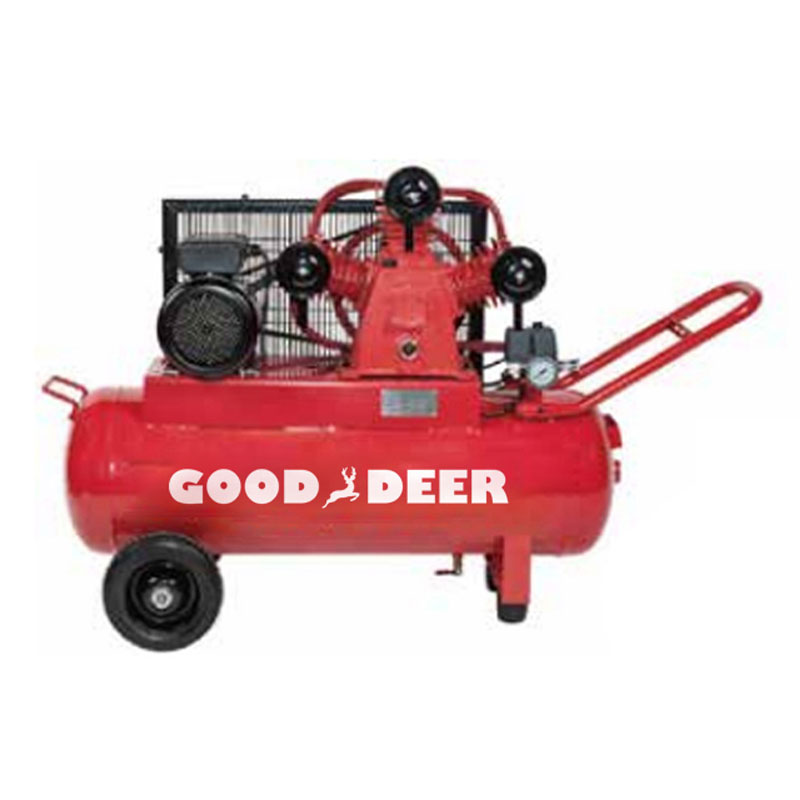
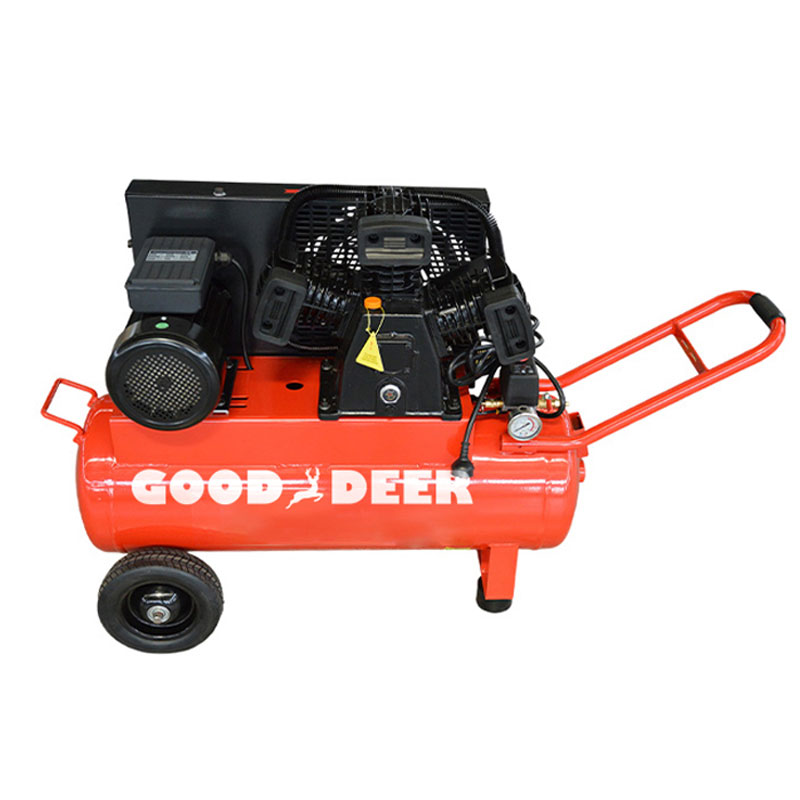
1. Operation Principle
Air compressors are crucial tools in many industrial and commercial applications, from powering pneumatic tools to inflating tires. The two most common types of compressors are piston air compressors and rotary screw compressors. These two designs differ significantly in how they compress air, leading to differences in performance, efficiency, and application suitability.
Piston Air Compressors
Piston air compressors, also known as reciprocating compressors, are the most commonly recognized type of compressor. The operation of a piston air compressor is relatively simple but highly effective for applications that require intermittent bursts of compressed air.
How It Works:
A piston air compressor uses a piston that moves back and forth within a cylinder. This motion is powered by a crankshaft, which is typically driven by an electric motor or an internal combustion engine. The process begins when the piston moves downward, creating a vacuum inside the cylinder. As the piston moves downward, air is drawn into the cylinder through an intake valve. Once the piston reaches the bottom of its stroke, it reverses direction and moves upward.
As the piston moves upward, it compresses the air inside the cylinder. This action forces the air through an outlet valve into a storage tank or directly to the application. The air is compressed in bursts or strokes, each cycle consisting of the piston moving down and up to compress the air. The process is known as cyclic compression, and each cycle results in a burst of compressed air.
The number of cycles per minute (CPM), also known as the compressor’s duty cycle, dictates how much compressed air the system can generate in a given time. Piston compressors are usually designed to handle moderate to high-pressure applications, and their compressed air output tends to be pulsating due to the cyclical nature of the piston’s movement.
Key Characteristics:
- Intermittent operation: Piston compressors are not designed for continuous operation. They work well when air demands are not constant, but they need periods of rest between cycles to avoid overheating.
- Pressure generation: Piston compressors are capable of producing higher pressures, often exceeding 175 psi, depending on the design and application.
- Compact design: Piston compressors are generally smaller and more portable compared to rotary screw compressors, making them ideal for small workshops, garages, or mobile applications.
Rotary Screw Compressors
Rotary screw compressors are designed for applications where continuous and uninterrupted air flow is required. Unlike piston compressors, rotary screw compressors operate based on a different principle that involves two helical screws, also known as rotors, which compress air as it moves through the system. This mechanism is different from the cyclical motion of the piston, providing a steady and continuous flow of compressed air.
How It Works:
A rotary screw compressor consists of two interlocking rotors, one male and one female, housed in a casing. These rotors are designed to rotate in opposite directions, drawing in air as they rotate. The air is then trapped in pockets formed between the rotors and the casing. As the rotors continue to turn, these pockets of air become progressively smaller, causing the air to be compressed.
This compression occurs continuously as the rotors turn, making it possible for the rotary screw compressor to deliver a steady, uninterrupted flow of compressed air. Unlike the piston air compressor, there are no pulses in the air delivery, making it ideal for applications that require a constant supply of air, such as in manufacturing processes or large industrial operations.
Key Characteristics:
- Continuous operation: Rotary screw compressors are designed for 24/7 operation, making them ideal for industrial applications where continuous compressed air is needed.
- Steady airflow: The design of the rotary screw compressor ensures a smooth, uninterrupted flow of air, which is more energy-efficient than the burst nature of piston compressors.
- Lower maintenance: Because the compressor’s components, particularly the rotors, experience less wear and tear than the piston and cylinder in reciprocating compressors, rotary screw compressors generally require less maintenance over time.
| Feature | Piston Air Compressor | Rotary Screw Compressor |
|---|---|---|
| Operation | Cyclical (burst) compression | Continuous compression |
| Airflow | Pulsating, intermittent | Steady, uninterrupted |
| Efficiency | Less efficient for continuous use | Highly efficient for continuous use |
| Maintenance | Higher maintenance due to wear on piston rings | Lower maintenance due to fewer moving parts |
| Ideal Use | Short bursts of compressed air, smaller applications | Continuous air supply for industrial use |
| Noise Level | Noisier due to intermittent operation | Quieter due to continuous operation |
| Cost | Generally cheaper upfront | More expensive upfront but lower long-term costs |
As you can see from the table, the primary distinction between piston air compressors and rotary screw compressors is the method by which they generate compressed air. Piston compressors are ideal for tasks that involve intermittent use or short bursts of air. On the other hand, rotary screw compressors excel in continuous operation scenarios, where a steady and reliable supply of air is needed without interruption.
Piston compressors are generally smaller, more portable, and less expensive, making them an excellent choice for smaller operations, DIY tasks, or home garages. Rotary screw compressors, although pricier upfront, are designed for high-demand industrial environments where continuous air supply is essential, such as in automotive manufacturing, mining, and large-scale manufacturing plants.
2. Efficiency
When evaluating air compressors, one of the most crucial factors to consider is their energy efficiency. This not only impacts the operational costs over time but also influences the environmental footprint of using these machines. Piston air compressors and rotary screw compressors differ significantly in terms of how efficiently they consume energy, which makes them suitable for different applications depending on the type of work involved.
Piston Air Compressors: Lower Energy Efficiency
Piston air compressors, also known as reciprocating compressors, are often less energy-efficient compared to rotary screw compressors. This is primarily due to the cyclical nature of their operation, which involves the piston moving up and down within the cylinder to compress the air in bursts.
Cyclical Compression and Its Impact on Efficiency:
In a piston compressor, the piston creates a vacuum during the downward stroke, drawing in air, and then compresses that air during the upward stroke. This process is repeated continuously, but it is inherently less efficient for several reasons:
-
Energy is consumed during idle phases: When the piston moves down to draw in air and then compresses it on the upward stroke, there is a stop-start motion. This causes the compressor to consume energy during idle periods, even if no air is being actively compressed.
-
Higher wear and tear: The constant motion of the piston leads to significant mechanical stress, which causes more friction and heat. As a result, the components (piston rings, valves, etc.) wear out more quickly. This wear requires more frequent maintenance and repairs, which can lead to additional energy losses as the compressor works harder to compensate for inefficiency.
-
Air pulse effect: Piston compressors typically produce a pulsating airflow rather than a continuous stream. This means that during each cycle, the motor must work harder to stabilize the pressure and maintain the desired output. These pressure fluctuations can lead to increased power consumption, especially during periods of high demand.
-
Low duty cycle: Piston compressors are often designed for intermittent use, meaning they are not intended to run continuously. As a result, the compressor may need to turn off during idle periods, only to consume energy again when it starts up. The repeated on/off cycles increase energy usage, especially if the compressor operates in environments where air demand is constant.
While piston compressors are often less energy-efficient in continuous or high-demand environments, they remain a popular choice for smaller applications where bursts of air are needed. These compressors work well in garages, workshops, or for portable equipment where air usage is irregular and does not require 24/7 operation.
Rotary Screw Compressors: Higher Energy Efficiency
In contrast to piston compressors, rotary screw compressors are much more efficient for continuous air compression. These compressors utilize two interlocking helical rotors that rotate continuously, compressing air as it moves through the system.
Continuous Compression Process and Energy Savings:
The key difference between rotary screw compressors and piston compressors is the continuous operation of the screw rotors. As the rotors turn, they create a constant, smooth compression process that results in an uninterrupted flow of air. This design offers several advantages in terms of energy efficiency:
-
Constant airflow: Rotary screw compressors deliver a steady, continuous flow of compressed air, which is ideal for high-demand environments. Because there are no start-stop cycles, the compressor maintains a uniform energy consumption without the need for excessive re-starts, minimizing power spikes and reducing overall energy costs.
-
Less wear and tear: Rotary screw compressors are designed with fewer moving parts and do not rely on the frequent stopping and starting that piston compressors do. This means there is less friction and mechanical stress, leading to lower power consumption and longer service intervals.
-
Energy-saving technologies: Many modern rotary screw compressors are equipped with variable speed drives (VSD) or variable frequency drives (VFD), which allow the compressor to adjust its speed and power consumption according to the actual demand for compressed air. This means that when air demand is low, the compressor operates at a slower, more energy-efficient speed, saving power during periods of reduced activity.
-
Optimized for continuous use: Rotary screw compressors are designed to run continuously, which makes them ideal for industrial applications requiring 24/7 operation. For example, manufacturing plants, automotive industries, and other large-scale facilities often require consistent air pressure throughout the day. The ability of rotary screw compressors to operate without overheating or excessive energy consumption makes them far more suitable for these types of continuous operations.
-
Lower temperature rise: Because of their efficient and continuous operation, rotary screw compressors experience less heat buildup compared to piston compressors. Excessive heat not only reduces efficiency but can also cause the motor to overheat and fail. By operating at lower temperatures, rotary screw compressors maintain energy efficiency over extended periods of operation.
| Feature | Piston Air Compressor | Rotary Screw Compressor |
|---|---|---|
| Energy Efficiency | Less efficient due to stop-start cycles | More energy-efficient due to continuous operation |
| Air Delivery | Pulsating, intermittent airflow | Smooth, continuous airflow |
| Duty Cycle | Low duty cycle, intermittent use | High duty cycle, designed for continuous operation |
| Wear and Tear | High, due to constant mechanical stress | Low, fewer moving parts, less friction |
| Energy Consumption | Higher due to idle time and power spikes | Lower, more stable power usage over time |
| Maintenance Requirements | Higher maintenance due to wear on components | Lower maintenance due to fewer moving parts |
| Ideal Applications | Small-scale, short-term, intermittent use | Large-scale, industrial, continuous use |
As illustrated in the table above, the fundamental difference in energy efficiency between piston and rotary screw compressors lies in their operation modes. Piston compressors suffer from inefficiencies due to their stop-start action, leading to higher energy consumption and increased maintenance needs. In contrast, rotary screw compressors offer smoother and more energy-efficient operation, particularly in applications requiring continuous air flow.
3. Noise Levels
When it comes to air compressors, noise levels are a crucial factor to consider, especially in environments where a quieter working atmosphere is necessary. Whether it’s a workshop, a manufacturing plant, or even a home garage, high noise levels can be disruptive and may even require the use of additional noise-reduction equipment, such as soundproofing or hearing protection. Piston air compressors and rotary screw compressors differ significantly in terms of the noise they generate, and understanding these differences can help in selecting the right compressor for your needs.
Piston Air Compressors: Higher Noise Levels
Piston air compressors, also known as reciprocating compressors, tend to produce more noise than rotary screw compressors due to the nature of their operation. The noise generated by a piston compressor is primarily a result of the cyclical movement of the piston and the pressure build-up during the compression process.
Cyclical Motion and Noise Generation:
The operation of a piston air compressor is inherently noisy because of the rapid up-and-down motion of the piston within the cylinder. Each time the piston moves, it creates a series of mechanical impacts and vibrations that contribute to the noise. Here are the main sources of noise in piston compressors:
-
Piston Stroke: As the piston moves up and down within the cylinder, it causes air to be compressed in bursts, which produces loud pulses or thumps. These repeated bursts of compression lead to a rhythmic but relatively high-decibel noise.
-
Valve and Piston Impact: The intake and exhaust valves, which control the flow of air into and out of the cylinder, are often subjected to significant mechanical stress during each cycle. This leads to metallic clanking sounds as the valves open and close with each stroke of the piston.
-
Pressure Build-up: When the piston compresses the air, the rapid pressure increase can also generate a sharp hissing or whooshing sound as the air is forced out through the outlet valve. This contributes to the overall loudness of the machine during operation.
-
Idle Noise: When the piston air compressor is idle (between cycles), there can still be significant noise from the motor running or the vibration of components like the crankshaft. Although this noise is not as intense as during active compression, it still adds to the overall sound profile.
Because piston air compressors operate intermittently, the noise they produce is not constant, but it is often loud enough to be heard at significant distances. In smaller workspaces or residential areas, this can be a major concern, and additional noise-reducing measures, such as sound enclosures or ear protection, may be necessary.
Rotary Screw Compressors: Quieter Operation
On the other hand, rotary screw compressors are designed to operate more quietly, thanks to their continuous compression process. The noise levels are generally much lower, making them a better choice for environments where noise reduction is a priority.
Continuous Compression and Noise Reduction:
The key difference between piston and rotary screw compressors is in the way air is compressed. In rotary screw compressors, two interlocking rotors (also known as screws) rotate continuously to compress the air. This process does not involve the sudden, intense bursts of compression associated with piston air compressors. Here are the main factors that contribute to the quieter operation of rotary screw compressors:
-
Smooth, Continuous Motion: The most significant contributor to lower noise levels is the continuous rotation of the screw rotors. Unlike piston compressors, which compress air in discrete cycles, rotary screw compressors produce a steady, uninterrupted flow of air. This constant motion results in far fewer vibrations and shocks, reducing overall noise generation.
-
Reduced Mechanical Impact: Rotary screw compressors have fewer moving parts that come into direct contact with each other. The lack of valves or pistons subject to frequent mechanical impacts means less metallic clanking and vibrational noise. This design reduces the amount of friction and shock waves, contributing to quieter operation.
-
No Pulse Noise: As rotary screw compressors operate smoothly and continuously, there is no pulsing of air pressure, which is a major contributor to the thumping or rhythmic noise heard in piston compressors. Instead, the air is compressed gradually and evenly, resulting in a consistent hum rather than sudden bursts of sound.
-
Lower RPM: Rotary screw compressors typically operate at a lower RPM (revolutions per minute) compared to piston compressors. This lower speed reduces the mechanical noise created by faster-moving components, further contributing to the quieter operation.
Given these factors, rotary screw compressors are ideal for applications where noise levels are a concern, such as in office buildings, hospitals, laboratories, and retail spaces. They also perform well in environments where workers need to communicate clearly or where quieter operations are mandated by noise regulations.
| Feature | Piston Air Compressor | Rotary Screw Compressor |
|---|---|---|
| Compression Process | Cyclical, burst compression | Continuous, smooth compression |
| Noise Type | Loud bursts, thumping, clanking | Low, steady hum, minimal pulsations |
| Primary Noise Sources | Piston stroke, valve impacts, pressure build-up | Smooth rotor motion, fewer moving parts |
| Noise During Idle | Moderate noise from motor vibration | Very low noise, quiet idle operation |
| Ideal Applications | Smaller workshops, garages, mobile units | Industrial facilities, offices, hospitals |
| Noise Reduction Measures | Often requires external soundproofing | Typically quieter, little to no soundproofing required |
Noise Comparison:
As illustrated in the table, the differences in noise generation between piston and rotary screw compressors are substantial. Piston compressors are louder due to the cyclical nature of their operation, which produces intense bursts of noise during each compression cycle. These bursts can be disruptive, especially in confined or noise-sensitive environments.
Rotary screw compressors produce a steady hum that is much quieter and more pleasant. The lack of pulsing and the continuous operation of the screws mean that noise levels remain consistently lower, even during extended operation.
4. Maintenance
Maintenance is a critical aspect of air compressor ownership, as it directly impacts the efficiency, reliability, and longevity of the equipment. Both piston air compressors and rotary screw compressors require regular upkeep, but the nature and frequency of maintenance vary significantly between the two. Understanding the maintenance needs of each type of compressor can help you make an informed decision based on the level of commitment you’re willing to invest in keeping the equipment running smoothly.
Piston Air Compressors: Higher Maintenance Requirements
Piston air compressors, also known as reciprocating compressors, are more mechanically complex due to the moving components involved in the compression process. The piston moves up and down inside a cylinder, compressing the air in cycles. This cyclical operation creates more wear and tear on parts, requiring more frequent maintenance and component replacement.
Key Maintenance Factors:
-
Piston Rings and Cylinders:
- One of the most common issues in piston compressors is the wear on the piston rings and cylinders. The piston rings create a seal between the piston and the cylinder wall, and over time, these rings can wear down due to constant friction. When this happens, the compressor’s efficiency decreases, and air can leak out, leading to higher energy consumption.
- Regular inspection of the piston rings and cylinders is essential, and replacing worn piston rings is a routine maintenance task that should be done to maintain the compressor’s performance.
-
Valves:
- Piston compressors also rely on intake and exhaust valves that open and close with each stroke of the piston. These valves are subject to a lot of mechanical stress and can wear out or become damaged over time.
- Valves can become clogged with debris or wear unevenly, causing the compressor to lose efficiency. Regularly cleaning or replacing the valves is necessary to ensure smooth operation.
-
Oil Leaks:
- Most piston compressors are oil-lubricated, meaning that they require oil to lubricate moving parts like the piston, crankshaft, and valves. However, because of the high internal pressure and mechanical movement, piston compressors are more prone to oil leaks.
- These leaks can result in oil loss, reduced lubrication, and increased wear on internal components. Regularly checking the oil level and ensuring there are no leaks is vital for maintaining the longevity and performance of the compressor.
-
Periodic Oil Changes:
- Piston compressors require regular oil changes to ensure that the lubricating oil is clean and effective. Over time, the oil breaks down due to heat and contaminants, which can cause increased friction and wear on the compressor’s moving parts.
- Oil should be changed as per the manufacturer’s recommendations, and the oil filter should be replaced to prevent clogging and ensure optimal lubrication.
-
Air Filters:
- Piston compressors also require regular cleaning or replacement of air filters. Dirty air filters can reduce the compressor’s efficiency by restricting airflow, leading to the motor working harder to compress the air. This additional strain can increase energy consumption and accelerate wear on components.
| Component | Piston Air Compressor | Rotary Screw Compressor |
|---|---|---|
| Piston Rings | Wear down over time, requiring regular inspection and replacement | Fewer issues, as continuous motion reduces wear |
| Valves | Prone to damage and clogging due to high mechanical stress | Less wear due to smoother operation |
| Oil Leaks | More common due to high internal pressures and friction | Less frequent, as components experience less wear |
| Oil Changes | Frequent oil changes required to maintain performance | Less frequent oil changes due to less wear |
| Air Filters | Regular cleaning and replacement required | Similar maintenance, but less frequent clogging |
| General Wear and Tear | Higher due to cyclical operation and friction | Lower due to fewer moving parts and continuous operation |
As you can see from the table, piston compressors generally require more frequent maintenance due to the higher levels of wear and tear on their components. The cyclical operation and higher friction lead to more issues with parts like the piston rings, valves, and oil seals. For anyone who operates a piston air compressor, it’s important to be prepared for regular maintenance tasks to keep the system functioning efficiently and extend its life.
Rotary Screw Compressors: Lower Maintenance Needs
Rotary screw compressors, on the other hand, are designed with fewer moving parts, and their continuous compression process reduces the overall wear and tear on components. As a result, rotary screw compressors typically require less frequent maintenance and tend to have a longer lifespan than piston compressors.
Key Maintenance Factors:
-
Fewer Moving Parts:
- The design of a rotary screw compressor includes two interlocking rotors, which rotate continuously to compress the air. The absence of pistons and the fewer moving parts mean there is less mechanical stress on components, reducing the risk of wear and tear. This results in lower overall maintenance requirements.
- Since the rotors do not experience the intense friction and impacts associated with piston compressors, there is less need for frequent part replacements.
-
Oil Changes:
- While rotary screw compressors are also often oil-lubricated, they require fewer oil changes than piston compressors. The continuous operation leads to less wear on the oil, and the oil remains cleaner for longer periods.
- Oil filters should still be replaced regularly to prevent contamination, but the intervals for oil changes are typically much longer than those for piston compressors.
-
Rotors and Seals:
- Despite the lower wear, rotary screw compressors still require attention to the rotors and seals. Over time, the seals may degrade due to constant exposure to high pressure and temperature.
- Routine checks should be made to ensure that the rotors are in good condition and that the seals are not leaking. However, this is less frequent and less intensive than the maintenance required for piston rings and valves in a reciprocating compressor.
-
Air Filters:
- Like piston compressors, rotary screw compressors also require regular air filter maintenance. Clean filters ensure optimal airflow, but the filters tend to get clogged less frequently than in piston compressors because there are fewer interruptions in the compression process.
-
Routine Servicing:
- While rotary screw compressors are built for long-lasting, continuous operation, they still benefit from regular servicing. This includes monitoring components like the cooling system to ensure proper heat dissipation and checking for signs of wear on parts that are exposed to pressure or heat.
- Servicing should also involve checking the compressor’s control system to ensure that the system operates smoothly and efficiently.
| Component | Piston Air Compressor | Rotary Screw Compressor |
|---|---|---|
| Moving Parts | More moving parts, higher wear | Fewer moving parts, lower wear |
| Oil Changes | Frequent due to higher wear and friction | Less frequent, cleaner oil over longer periods |
| Rotors and Seals | Not applicable | Require occasional inspection for wear and leaks |
| Air Filters | More frequent cleaning and replacement | Less frequent maintenance required |
| Routine Servicing | More intensive due to frequent wear | Less frequent, focused on specific components |
5. Cost
When deciding between a piston air compressor and a rotary screw compressor, cost is one of the most important factors to consider. The upfront price of the equipment, ongoing maintenance expenses, and long-term operational costs will all play a significant role in determining the most cost-effective option for your needs. Piston air compressors and rotary screw compressors differ in cost structure, with piston compressors being more affordable initially, but rotary screw compressors offering better long-term value in many industrial applications.
Piston Air Compressors: Lower Initial Cost
Piston air compressors, also known as reciprocating compressors, are generally much cheaper upfront compared to rotary screw compressors. This makes them an attractive option for smaller-scale applications, such as home workshops, small businesses, or personal use, where budget constraints are a significant concern.
Reasons for Lower Upfront Cost:
-
Simpler Design: The mechanical design of a piston compressor is relatively simple, involving a piston, cylinder, valves, and crankshaft. The basic components are not as advanced or expensive as the precision rotors and complex systems in rotary screw compressors. As a result, the manufacturing process is less costly, leading to a lower initial purchase price.
-
Smaller Size: Piston compressors are often smaller and more compact compared to rotary screw compressors. This compactness reduces the amount of materials used and the cost of production, further lowering the overall price. Smaller systems are ideal for applications where space is limited, and the compressor doesn’t need to handle large volumes of compressed air.
-
Less Complex Technology: Piston compressors rely on more basic technology, which means that the parts are easier to manufacture, and repair costs are typically lower in the short term. For example, replacement parts like piston rings and valves are relatively inexpensive compared to the more specialized components of rotary screw compressors.
-
Availability: Piston air compressors are widely available, and many manufacturers produce them in various sizes and configurations. This mass production further reduces the overall cost, making them a more affordable option for small-scale or intermittent users.
Initial Cost Breakdown:
- Small to Medium-Sized Units: Typically, you can find a piston air compressor for as low as $200 to $2,500, depending on the size, capacity, and brand.
- Larger Units: Larger piston compressors used in more commercial applications can cost between $3,000 to $10,000.
While the lower upfront cost is certainly an advantage, it’s important to remember that piston air compressors often require more frequent maintenance, and their energy efficiency tends to be lower, which can increase the total operating costs over time.
Rotary Screw Compressors: Higher Initial Cost, Long-Term Value
Rotary screw compressors, on the other hand, tend to have a higher initial purchase price. However, they can offer greater long-term value due to their higher efficiency, reduced maintenance needs, and longer lifespan. For businesses or operations that require continuous use of compressed air, the long-term savings in energy and maintenance often make the higher upfront cost worthwhile.
Reasons for Higher Initial Cost:
-
Complex Design: The rotary screw compressor is more advanced in its design, utilizing two interlocking helical rotors (screws) to compress air continuously. This design requires precise engineering, advanced manufacturing processes, and higher-quality materials to ensure durability and efficiency. The added complexity and precision make these compressors more expensive to produce.
-
Higher-Quality Components: Rotary screw compressors use high-quality bearings, seals, and control systems that are built to withstand continuous operation. These components are designed for long-term reliability, which increases the initial cost but pays off in terms of lower maintenance and fewer repairs.
-
Larger Capacity and Continuous Operation: Rotary screw compressors are typically designed for larger-scale, industrial applications where continuous or heavy-duty operation is required. These compressors are built to run 24/7, making them an ideal choice for factories, manufacturing plants, and other high-demand environments. The ability to operate continuously without overheating or requiring frequent downtime adds value but also raises the price.
-
Advanced Technology: Many rotary screw compressors come with energy-saving features like variable speed drives (VSD) or variable frequency drives (VFD), which adjust the compressor’s speed to match air demand. While these features add to the upfront cost, they help reduce energy consumption in the long run, leading to overall savings in operating costs.
Initial Cost Breakdown:
- Small to Medium-Sized Units: The price for smaller rotary screw compressors typically ranges from $3,000 to $15,000, depending on the capacity and brand.
- Larger, Industrial Units: For larger systems capable of handling industrial-grade tasks, prices can range from $20,000 to $50,000 or more.
| Cost Factor | Piston Air Compressor | Rotary Screw Compressor |
|---|---|---|
| Upfront Price | Lower initial cost ($200 - $10,000) | Higher initial cost ($3,000 - $50,000) |
| Design Complexity | Simple design with basic components | Advanced design with precision rotors |
| Maintenance Costs | Higher maintenance, more frequent repairs | Lower maintenance, fewer repairs |
| Lifespan | Shorter lifespan due to wear and tear | Longer lifespan, designed for continuous use |
| Energy Efficiency | Lower efficiency, higher energy consumption | Higher efficiency, better energy savings |
| Ideal Use | Intermittent use, smaller operations | Continuous use, industrial applications |
Long-Term Value and Operational Costs
Although rotary screw compressors come with a higher initial investment, they can deliver a better overall value for businesses with high demand for compressed air. The main reasons for this are energy efficiency, longer lifespan, and lower maintenance costs over time.
Energy Efficiency:
Rotary screw compressors are more energy-efficient, especially when paired with advanced features like variable speed drives. This results in significant energy savings over the life of the compressor, which can offset the higher initial cost. On the other hand, piston compressors, due to their cyclical nature, are generally less energy-efficient and may lead to higher electricity bills in the long run.
Longevity and Reliability:
Rotary screw compressors are built for continuous operation, which means they tend to have a longer operational life compared to piston compressors. While the upfront cost is higher, a rotary screw compressor may last 15 to 20 years or longer with proper maintenance, making it a better long-term investment for high-demand environments.
Piston compressors, however, typically last between 5 to 10 years, especially if used intermittently. The wear and tear from the cyclical compression process and the need for frequent repairs can shorten their lifespan.
Maintenance Costs:
Rotary screw compressors have lower maintenance costs due to their simpler and more durable design. Fewer moving parts mean that there is less mechanical stress, and oil changes are required less frequently. On the other hand, piston compressors require regular servicing, especially due to the wear on parts like piston rings, valves, and seals, leading to higher maintenance expenses.
6. Airflow and Pressure
The airflow and pressure provided by an air compressor are crucial considerations when selecting the right equipment for a specific application. The amount of compressed air (flow) and the force at which it is delivered (pressure) vary significantly between piston air compressors and rotary screw compressors, making them suitable for different types of tasks. Understanding how each compressor type performs in terms of airflow and pressure can help determine which one is best suited for your needs.
Piston Air Compressors: High Pressure, Intermittent Airflow
Piston air compressors, or reciprocating compressors, are widely used for applications that require high pressure but not necessarily continuous airflow. These compressors are typically designed for intermittent use, where bursts of compressed air are needed in short cycles. The cyclical nature of their operation lends itself well to tasks that require moderate to high-pressure air at various intervals.
Airflow Characteristics:
-
Intermittent Airflow: Piston compressors produce air in pulses or bursts as the piston moves up and down. Each cycle consists of an intake stroke followed by a compression stroke, resulting in a pulsed flow of compressed air. This is suitable for jobs that don’t require a continuous supply of air but need the pressure to be high during each cycle.
-
Moderate to High Flow Rates: While the airflow in piston compressors is intermittent, the flow rate during each burst can still be significant. These compressors can deliver substantial amounts of compressed air, often sufficient for tools or tasks that require moderate to high airflow for short periods. This makes them ideal for air tools, painting applications, or small workshops where air demand fluctuates.
-
Air Storage: Piston compressors typically work in conjunction with an air tank (receiver tank), which stores the compressed air between cycles. The tank helps smooth out the pulses of air, providing a more consistent flow when needed. The capacity of the air tank, in conjunction with the compressor’s output, can provide enough airflow for applications with varying demands.
Pressure Characteristics:
-
High Pressure Output: Piston compressors are well known for their ability to generate higher peak pressures compared to rotary screw compressors. Piston compressors can typically provide air pressure in the range of 100 to 175 psi, and in some cases, even higher. This makes them ideal for tasks that require high pressure for short durations, such as:
- Operating pneumatic tools
- Inflating tires
- Cleaning applications
- Spray painting
-
Peak Pressure Versatility: The high-pressure capability of piston compressors is a key advantage when pressure is more critical than continuous airflow. They can operate at variable pressure settings, and some models are equipped with pressure regulators to adjust the output based on specific requirements. This flexibility makes piston compressors highly adaptable for tasks that require burst pressure.
-
Variable Duty Cycle: Since piston compressors are designed for intermittent use, they tend to work best in environments where air demand fluctuates, and a high-pressure burst is required during specific tasks. These compressors often experience downtime between cycles, which helps manage the pressure buildup and gives the system time to cool down.
| Feature | Piston Air Compressor | Rotary Screw Compressor |
|---|---|---|
| Airflow | Pulsed, intermittent airflow | Continuous, steady airflow |
| Pressure Range | High pressure, up to 175 psi or more | Moderate pressure, typically 100-150 psi |
| Peak Pressure Capability | Higher peak pressures | Lower peak pressure, steady output |
| Air Storage | Requires an air tank for smoothing air flow | No air tank needed, steady flow without interruptions |
| Ideal Use | Tasks requiring high pressure, short bursts | Tasks requiring continuous airflow, steady pressure |
| Duty Cycle | Best for intermittent use | Best for continuous, high-demand use |
Rotary Screw Compressors: Continuous Flow, Steady Pressure
Rotary screw compressors, on the other hand, excel in continuous airflow and steady pressure. Unlike piston compressors, rotary screw compressors are designed to operate non-stop, providing a constant and uninterrupted supply of compressed air. This makes them ideal for applications that require reliable, high-volume airflow over long periods.
Airflow Characteristics:
-
Continuous Airflow: Rotary screw compressors provide a steady, uninterrupted flow of compressed air, thanks to the continuous rotation of the two interlocking screws (rotors). This design allows for a constant supply of air without the pulsing effect that piston compressors produce. The smooth compression process ensures that the system delivers a steady airflow, which is ideal for high-demand operations.
-
High-Volume Output: Because rotary screw compressors are designed for continuous operation, they are capable of producing high-volume airflow at a steady rate. They are commonly used in industrial applications where large volumes of compressed air are needed without fluctuations. This makes them ideal for:
- Large-scale manufacturing
- Automotive repair shops
- Pneumatic machinery in factories
-
No Need for Air Storage: Rotary screw compressors do not require an air tank to store compressed air for smoothing out pressure pulses. The continuous, smooth operation of the screw rotors ensures a constant flow of air, which means there is no need for a storage tank in many applications. However, in some cases, an air tank might still be used to help manage the peak demand or provide air for emergency backup.
Pressure Characteristics:
-
Moderate Pressure: Rotary screw compressors typically operate at a lower pressure range compared to piston compressors, with typical pressure outputs ranging from 100 to 150 psi. While they may not reach the extreme pressures that piston compressors can generate, the ability to deliver a constant flow of air at steady pressure is a significant advantage in applications where continuous operation is required.
-
Steady, Reliable Pressure: Unlike piston compressors, which operate in bursts, rotary screw compressors maintain steady and reliable pressure during continuous operation. This makes them ideal for applications that require consistent pressure levels over long periods, such as:
- Food processing
- Pharmaceuticals
- Chemical manufacturing
- Continuous assembly lines
-
Efficiency in Steady Pressure: Rotary screw compressors are more efficient in maintaining steady pressure, which is important for applications where fluctuations in pressure could lead to issues such as equipment malfunctions or inconsistent product quality. The smooth operation minimizes pressure spikes and ensures a stable, consistent output of compressed air.
7. Applications
The choice between a piston air compressor and a rotary screw compressor ultimately depends on the specific needs of your application. Each type of compressor is designed to serve particular uses, with distinct advantages suited to either small-scale, intermittent tasks or large-scale, continuous operations. Understanding these differences can help you select the right compressor to match your requirements, whether for a home workshop or a high-demand industrial setting.
Piston Air Compressors: Best for Small-Scale, Intermittent Use
Piston air compressors, also known as reciprocating compressors, are ideal for applications where compressed air is needed intermittently and for short bursts of time. These compressors are best suited for environments that don’t require a continuous airflow but do need high pressure for specific tasks. Their simplicity, cost-effectiveness, and flexibility make them a popular choice for smaller-scale applications, including workshops, garages, and home use.
Common Applications for Piston Air Compressors:
-
Small Workshops and Garages:
- Piston compressors are a staple in DIY workshops and home garages because they are capable of delivering the burst pressure needed for various hand tools and air-powered equipment.
- For example, impact wrenches, nail guns, spray guns, and sandblasters are commonly powered by piston compressors in small-scale settings. These tools often require high pressure for short bursts but don’t need continuous airflow, making a piston compressor an ideal fit.
-
Inflating Tires:
- Piston compressors are frequently used in automotive applications, especially for inflating tires. The high pressure provided by these compressors makes them effective for vehicle maintenance, allowing for quick inflation of tires to the required pressure levels.
- Whether in a home garage or a small auto shop, piston compressors are perfect for this occasional, high-pressure task.
-
Cleaning and Blowing Off Debris:
- Piston compressors are often used to blow off debris or clean equipment. The intermittent bursts of high pressure can be directed to clean off dirt and dust from machinery, tools, or workshop surfaces. In this case, the compressor’s ability to generate high pressure for short durations is a key advantage.
- Air blow guns or compressed air cleaning systems are powered by piston compressors in settings where periodic bursts of compressed air are needed.
-
Painting and Spray Painting:
- In industries or hobbyist setups where spray painting is involved, piston compressors are commonly used to power spray guns. Spray painting typically requires higher pressure to atomize the paint, and the compressor’s intermittent operation can suit this requirement, especially for smaller-scale jobs.
- They are ideal for projects like automotive painting, furniture refinishing, or craft painting that don’t need continuous airflow but do require the pressure to be maintained during the spray process.
-
Portable and Mobile Units:
- Due to their compact size, piston compressors are often built as portable or mobile units, making them suitable for tasks that are not stationary. Whether it’s for construction jobs, road work, or farm maintenance, a portable piston compressor can supply the necessary pressure for nail guns, air hammers, and other pneumatic tools.
- Their ability to generate peak pressures quickly and efficiently allows workers to use the air compressor intermittently without needing a large stationary unit.
| Application | Piston Air Compressor | Rotary Screw Compressor |
|---|---|---|
| Workshop & Garage Use | Ideal for powering hand tools and air-powered equipment | Not ideal, as rotary screw compressors are best for continuous use |
| Inflating Tires | High-pressure bursts perfect for tire inflation | Overkill for this application, as pressure requirements are lower |
| Air Tools (Intermittent Use) | Best for tools like impact wrenches and sandblasters | Overkill for intermittent tool use |
| Painting & Spray Guns | Suitable for occasional use in painting | Not ideal, as consistent airflow is not necessary |
| Portable/Portable Use | Easily portable, can be used on job sites | Larger and less portable, designed for stationary use |
Rotary Screw Compressors: Ideal for Large-Scale, Continuous Operations
Rotary screw compressors, with their ability to provide a steady and continuous flow of compressed air, are well-suited for large-scale industrial applications where high-volume, non-stop airflow is essential. These compressors are the workhorse of many industries, supporting operations that require consistent and reliable compressed air over long periods.
Common Applications for Rotary Screw Compressors:
-
Manufacturing and Industrial Plants:
- Rotary screw compressors are commonly found in manufacturing plants, where they provide compressed air for the operation of machinery and automated systems. These environments require a constant supply of compressed air to run pneumatic tools, conveyor systems, and other production equipment.
- Industries such as automobile manufacturing, electronics production, and consumer goods manufacturing rely on rotary screw compressors to maintain consistent production cycles and equipment uptime.
-
Automotive and Heavy Machinery Operations:
- Rotary screw compressors are widely used in automotive repair shops, heavy machinery operations, and construction equipment maintenance. These compressors supply air for tire inflation, powering air tools like impact wrenches and air drills, and running large machines that need continuous airflow for optimal operation.
- Their ability to provide consistent pressure at moderate levels (usually between 100 to 150 psi) makes them perfect for industrial air tools and equipment that need a steady air supply.
-
Food and Beverage Industry:
- In the food and beverage industry, rotary screw compressors are used for bottling, packaging, and processing equipment that require a constant flow of air to function. These compressors are particularly useful in packaging lines where pneumatic systems are used for conveying, sorting, and filling products in containers.
- Because of their ability to deliver reliable, high-volume airflow, they are critical in maintaining production efficiency and avoiding costly downtime.
-
Pharmaceutical and Chemical Manufacturing:
- The pharmaceutical industry often relies on rotary screw compressors to provide compressed air for processes like blister packing, drying, and vial filling. The compressors’ ability to provide clean, dry, and reliable air is crucial for ensuring the quality and consistency of pharmaceutical products.
- Similarly, chemical manufacturing plants use rotary screw compressors to power equipment that processes liquids, gases, and other substances, where a constant flow of compressed air is necessary for precise control over production processes.
-
Textile and Paper Manufacturing:
- In the textile and paper industries, rotary screw compressors supply air to machinery such as spinning machines, looms, and paper mills, where air pressure must remain steady to avoid interruptions in production.
- The continuous flow of air provided by these compressors allows for efficient dryer systems, pressing systems, and other equipment that require constant pressure for consistent performance.
-
Oil and Gas Industry:
- In the oil and gas industry, rotary screw compressors are used for a variety of applications, including drilling, pumping, and transportation of oil and gas. These industries require compressors that can operate continuously in harsh environments to provide air for drilling rigs, pipeline cleaning, and natural gas transportation.
- The ability of rotary screw compressors to provide a constant flow of air in such demanding conditions is essential for keeping operations running smoothly and safely.
| Application | Piston Air Compressor | Rotary Screw Compressor |
|---|---|---|
| Manufacturing Plants | Not ideal, as compressors require high, steady airflow | Ideal for continuous, high-volume airflow |
| Automotive & Heavy Machinery | Suitable for intermittent use, but lacks continuous airflow | Best suited for continuous operation and heavy-duty machinery |
| Food & Beverage Processing | Not suitable for large-scale operations | Essential for continuous production lines and pneumatic systems |
| Pharmaceutical & Chemical Manufacturing | Not ideal, requires constant operation | Perfect for delivering clean, reliable air over long durations |
| Textile & Paper Mills | Not suitable for continuous use | Excellent for powering machinery that needs constant airflow |
| Oil & Gas | Rarely used in heavy-duty applications | Best suited for continuous, high-demand use in drilling and transport |
8. Lifespan
The lifespan of an air compressor is a key consideration when choosing the right type of equipment for your needs. The durability and longevity of a compressor affect not only the total cost of ownership but also the reliability and performance over time. Piston air compressors and rotary screw compressors have distinctly different lifespans, primarily due to their design and the way they operate. Understanding these differences can help you make an informed decision about which compressor will best meet your needs in the long term.
Piston Air Compressors: Shorter Lifespan Due to Cyclic Wear and Tear
Piston air compressors, also known as reciprocating compressors, tend to have a shorter lifespan compared to rotary screw compressors. The primary reason for this is the cyclic nature of their operation. Piston compressors work by compressing air in bursts, with the piston moving up and down inside the cylinder, which creates significant mechanical stress on the system. Over time, the continuous cycling of these components leads to wear and tear, reducing the overall lifespan of the compressor.
Factors Contributing to Shorter Lifespan:
-
Cyclic Operation:
- Each time the piston moves, it creates mechanical stress, causing fatigue on the moving parts. This leads to wear on the piston rings, valves, and seals, which can cause them to degrade over time. The need for these parts to withstand high-pressure cycles means they experience significant stress during each stroke.
- Frequent start-stop cycles also contribute to wear. The compressor needs to restart each time air is required, and this cyclical process can cause wear on components like motors, belts, and gaskets.
-
Higher Mechanical Wear:
- Piston compressors have multiple moving parts (piston, crankshaft, valves, and rings), which naturally lead to more friction and heat generation during operation. Over time, the buildup of heat and friction can cause parts to degrade faster compared to more efficient rotary screw compressors.
- The oil-lubricated piston systems also need more frequent maintenance (oil changes, checks for leaks, etc.) to prevent excessive wear. Failure to maintain proper lubrication can drastically reduce the compressor’s lifespan.
-
Vibration and Noise:
- The cyclic movement of the piston creates vibrations, which can result in additional strain on the compressor’s components. Over time, these vibrations can lead to loose connections and structural damage. The noise generated by these vibrations can also be a sign of stress on the system.
-
Frequent Repairs:
- Due to the mechanical complexity of piston compressors, they are more likely to require repairs compared to rotary screw compressors. Common issues include valve failures, piston ring wear, and seal degradation, all of which reduce the overall lifespan of the system.
| Factor | Piston Air Compressor | Rotary Screw Compressor |
|---|---|---|
| Operation Type | Cyclic, intermittent bursts | Continuous, smooth operation |
| Wear & Tear | High due to piston movement and friction | Low due to fewer moving parts |
| Maintenance | Requires frequent maintenance | Requires less frequent maintenance |
| Component Lifespan | Shorter due to mechanical strain | Longer, designed for continuous use |
| Vibration & Noise | High vibration and noise, contributing to wear | Low vibration and noise |
| Repair Frequency | Higher, with more frequent part replacements | Lower, fewer parts subject to wear |
Rotary Screw Compressors: Longer Lifespan with Continuous Operation
In contrast to piston air compressors, rotary screw compressors are designed to endure continuous operation with minimal wear and tear. The design of these compressors allows for smoother operation with fewer moving parts, which helps to extend their lifespan significantly. A well-maintained rotary screw compressor can last 15 to 20 years, making it a great investment for industries requiring consistent, high-volume compressed air over long periods.
Factors Contributing to Longer Lifespan:
-
Continuous Operation:
- Rotary screw compressors operate in a continuous, smooth motion. The two interlocking screws (rotors) rotate continuously, compressing the air without the abrupt starts and stops seen in piston compressors. This smooth operation results in less mechanical stress and reduced wear on the components.
- As a result, rotary screw compressors experience less fatigue on their moving parts, leading to a longer operational lifespan. These compressors are ideal for industries where constant operation is required, such as manufacturing plants or oil rigs.
-
Fewer Moving Parts:
- Rotary screw compressors have significantly fewer moving parts than piston compressors. This simplicity reduces the risk of failure and the amount of wear that can occur. Key components like the rotors, bearings, and seals are designed to operate for long periods with minimal maintenance.
- The fewer the moving parts, the less friction and less heat generated during operation, which contributes to a more efficient and long-lasting compressor.
-
Lower Mechanical Stress:
- Unlike the pistons in a reciprocating compressor, which must undergo repeated high-pressure cycles, the rotors in a rotary screw compressor operate at a steady pace with constant pressure. The system is designed to handle continuous load without overburdening individual components, reducing mechanical stress and improving durability.
-
Oil and Lubrication Efficiency:
- While rotary screw compressors often use oil-injected systems to maintain smooth operation, the oil is used more efficiently, and the system requires less frequent oil changes and maintenance. The lubrication helps reduce friction and heat buildup, contributing to the longevity of the compressor.
- The sealed system in rotary screw compressors also helps prevent oil leaks, which is a common issue in piston compressors where oil changes are more frequent.
-
Reduced Vibration and Noise:
- Rotary screw compressors generate much less vibration and noise compared to piston compressors. This is because the rotors rotate smoothly, without the piston strokes that cause the mechanical forces responsible for vibration in reciprocating compressors. Reduced vibration results in less wear on internal components, and quieter operation reduces the need for maintenance on the system.
-
Reliable Performance in Harsh Conditions:
- Rotary screw compressors are designed for continuous operation, even in harsh environments such as high temperatures, industrial factories, or outdoor construction sites. Their robust design allows them to handle long-duty cycles without overheating or experiencing significant wear, contributing to their extended lifespan.
Comparison of Lifespan Factors
The differences in design and operation between piston air compressors and rotary screw compressors are directly reflected in their lifespan. Below is a table summarizing the key factors that affect the lifespan of both types of compressors.
| Factor | Piston Air Compressor | Rotary Screw Compressor |
|---|---|---|
| Design | Cyclic, more moving parts | Continuous, fewer moving parts |
| Wear and Tear | High due to cyclic operation | Low, smooth operation with minimal friction |
| Lifespan | 5-10 years (shorter) | 15-20 years (longer) |
| Maintenance Needs | Frequent maintenance, part replacements | Less frequent maintenance |
| Oil Change Frequency | Frequent oil changes | Less frequent oil changes |
| Vibration and Noise | Higher vibration and noise | Lower vibration and noise |
| Operating Conditions | Best for intermittent, low-duty use | Best for continuous, high-duty use |