
 English
 русский
 Español
 عربى

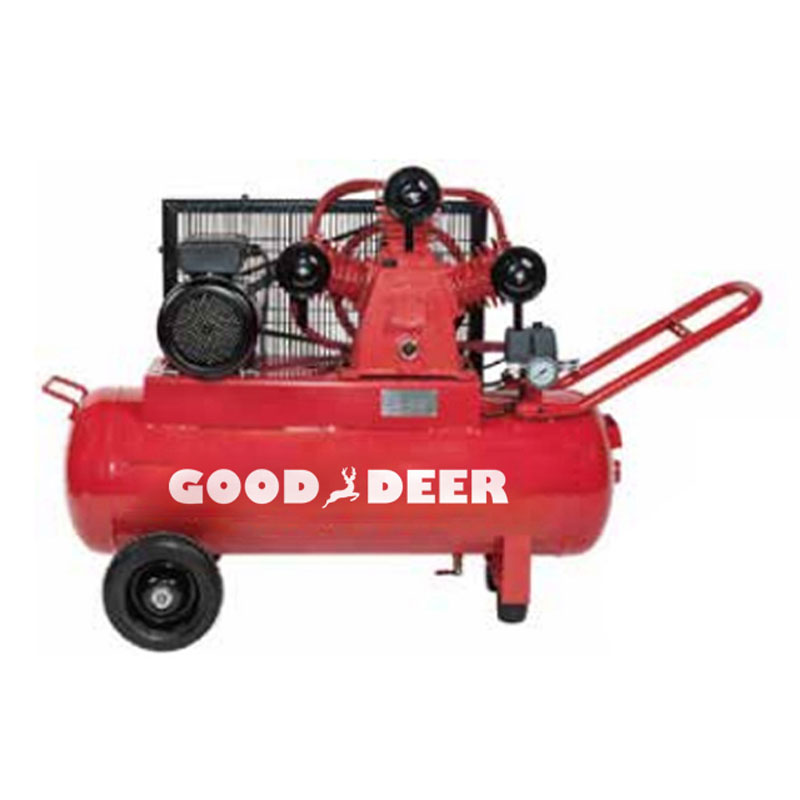
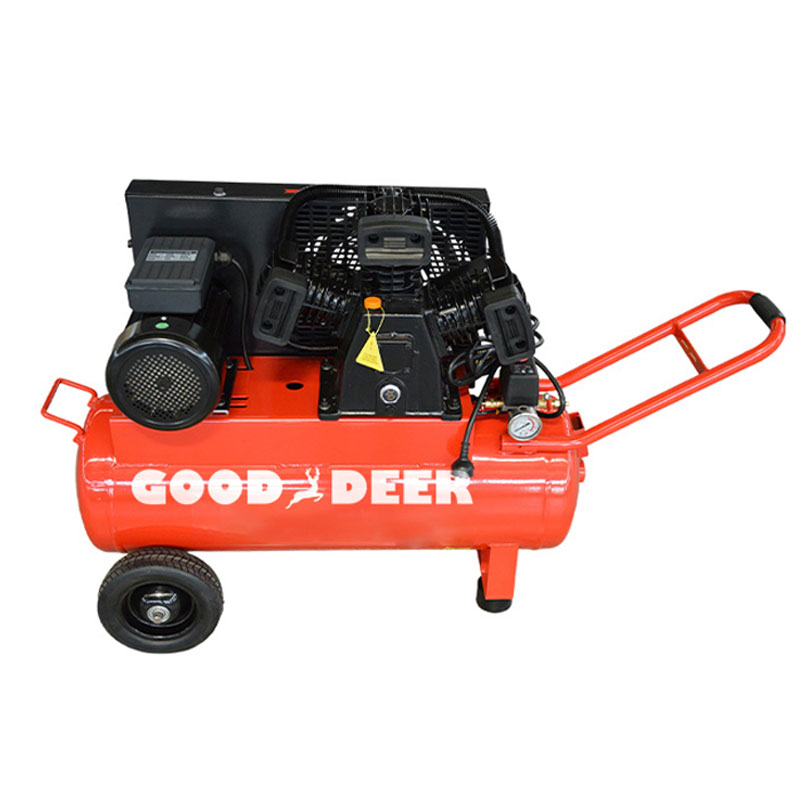
In industrial facilities, workshops, and construction sites, the rotary screw compressor has become one of the most trusted sources of compressed air. Unlike piston machines that rely on reciprocating motion, screw compressors use a continuous rotating action that produces smoother and more consistent airflow. Understanding how a rotary screw compressor works is essential for anyone selecting or maintaining one.
At Gooddeer, we manufacture and export air compressors to customers across North America, Europe, and the Middle East. From our own factory in Yancheng, we have seen how the screw compression principle improves efficiency and reduces maintenance demands. This guide explains the working principle step by step and then reviews the drive and control options you will find in the market.
What Is a Rotary Screw Compressor?
A rotary screw compressor is a positive displacement machine that compresses air with two interlocking helical rotors, known as the male and female rotors, housed in a chamber called the airend. The male rotor carries lobes, and the female rotor carries matching flutes. As the rotors rotate in opposite directions, they trap air between the lobes and progressively shrink those spaces, raising the pressure.
The main difference between a screw compressor and a piston compressor lies in the compression motion. A piston compressor squeezes air with a reciprocating piston and produces pulsations in the outlet flow. A screw compressor, in contrast, compresses continuously, so the discharge airflow is much steadier. This makes them well suited to round-the-clock applications such as general manufacturing and assembly. You can explore typical industrial use cases on our general machinery overview page.
How Does a Rotary Screw Compressor Work?
Compression follows a continuous five-step cycle.
Air Intake
Atmospheric air enters through an intake filter, which removes dust and debris. The inlet valve then regulates the airflow into the airend so the machine matches the downstream demand.
Compression in the Airend
The male and female rotors rotate in opposite directions inside the airend. At the intake side, the space between the lobes opens to the inlet port and fills with air. As rotation continues, the lobes pass the port and seal off a pocket of air. Each further turn drives the pocket along the rotors while the cavity volume steadily decreases, so the pressure rises. At the discharge opening, the air has reached the set pressure, usually 7 to 13 bar (100 to 190 psi).
Oil Injection and Separation
In an oil-injected machine, oil is sprayed into the compression chamber to seal the rotors, lubricate moving parts, and absorb heat. The mixture of air and oil exits the airend and enters the air-oil separator vessel, where centrifugal force and a separator element remove the oil. The oil is cooled, filtered, and recycled.
Cooling and Moisture Removal
Compressed air leaves the separator still carrying heat. An aftercooler lowers its temperature, and the condensate is collected in a moisture separator or drain trap. Removing water at this stage protects downstream piping, tools, and processes.
Discharge and Distribution
The finished compressed air flows into a receiver tank or directly into the plant's distribution network. A controller monitors the pressure and switches the compressor between loaded and unloaded states, or adjusts the drive speed, to keep the supply stable and efficient.
Key Components of a Rotary Screw Compressor
Although layouts vary between manufacturers, the core components of a rotary screw compressor are consistent across most designs.
| Component | Function |
|---|---|
| Airend | Houses the male and female rotors that perform compression |
| Intake filter | Removes dust and contaminants from incoming air |
| Oil injection system | Seals, lubricates, and cools the compression chamber |
| Air-oil separator | Removes oil from the compressed air stream |
| Aftercooler | Cools the air before it enters the distribution system |
| Drive motor | Powers the rotation of the rotors |
| Controller | Monitors pressure and manages load cycles |
Oil-Injected vs. Oil-Free
Rotary screw compressors fall into two main families: oil-injected and oil-free. In oil-injected machines, oil is deliberately introduced into the compression chamber. This provides excellent sealing, cooling, and lubrication, which allows high rotor speeds and tight clearances. Oil-injected compressors are the most common type and are generally more affordable to purchase and maintain.
Oil-free machines use coated rotors and timing gears to keep the rotors from touching, so no oil enters the compression chamber. They are required where trace oil cannot be tolerated, such as pharmaceutical and food production. The trade-off is a higher initial cost and more precise maintenance.
Drive Options for Rotary Screw Compressors
Rotary screw compressors are available with different prime movers to suit different working environments.
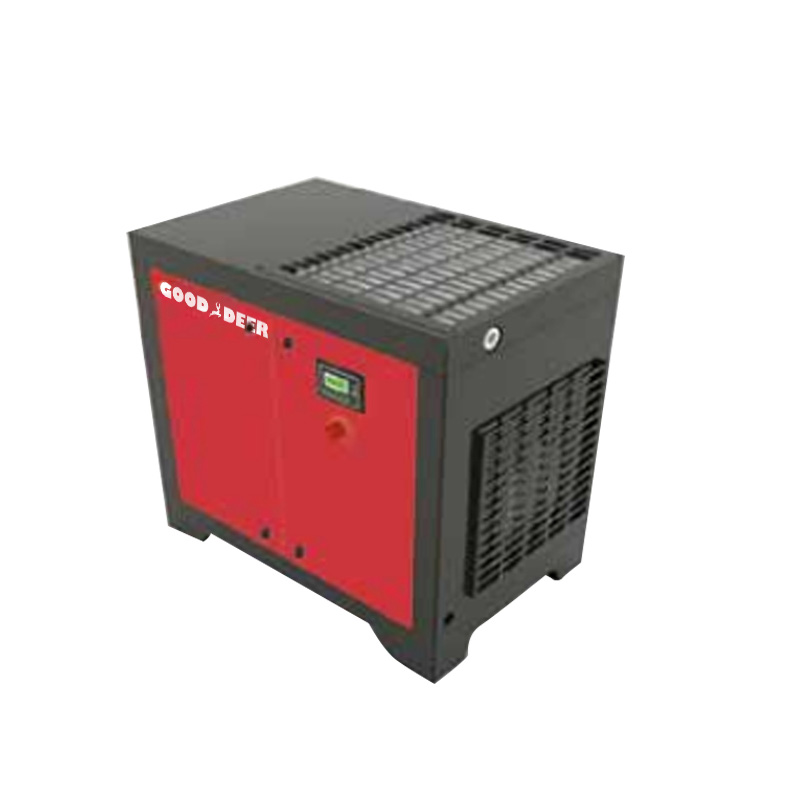
Electrically driven screw compressors are the standard choice for factories and workshops with a stable mains supply. They are clean, quiet, and easy to automate, and they offer the lowest operating cost per cubic meter of compressed air. Gooddeer's electric range includes direct-drive models that couple the motor directly to the airend, reducing energy loss and noise.
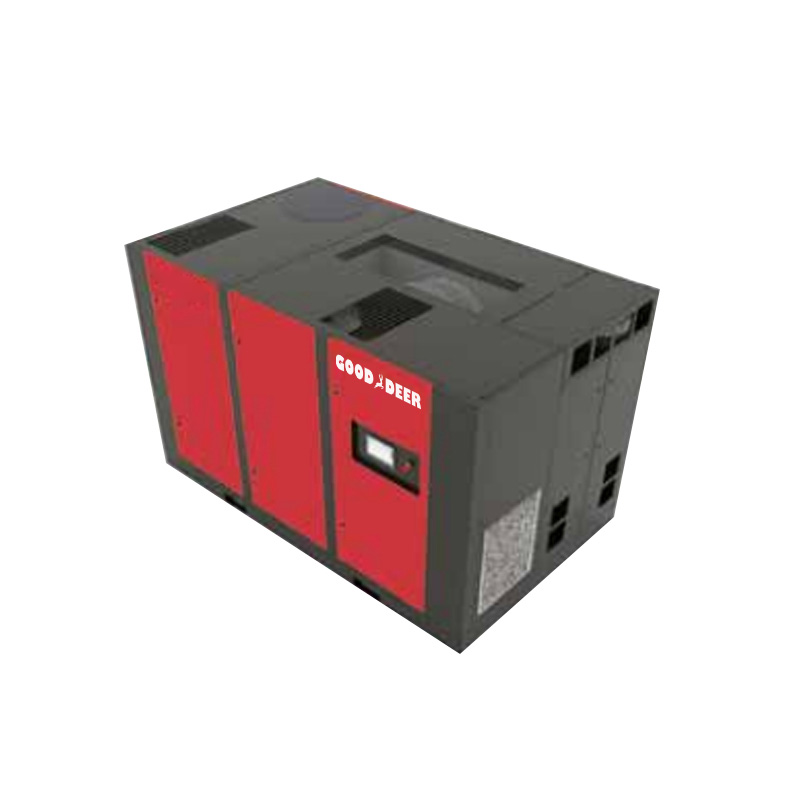 Direct Drive Rotary Screw Air CompressorsDirect-drive rotary screw air compressor with the motor coupled to the screw, eliminating belts and reducing transmission loss. A compact, stable electric option for workshops with mains power.View Product →
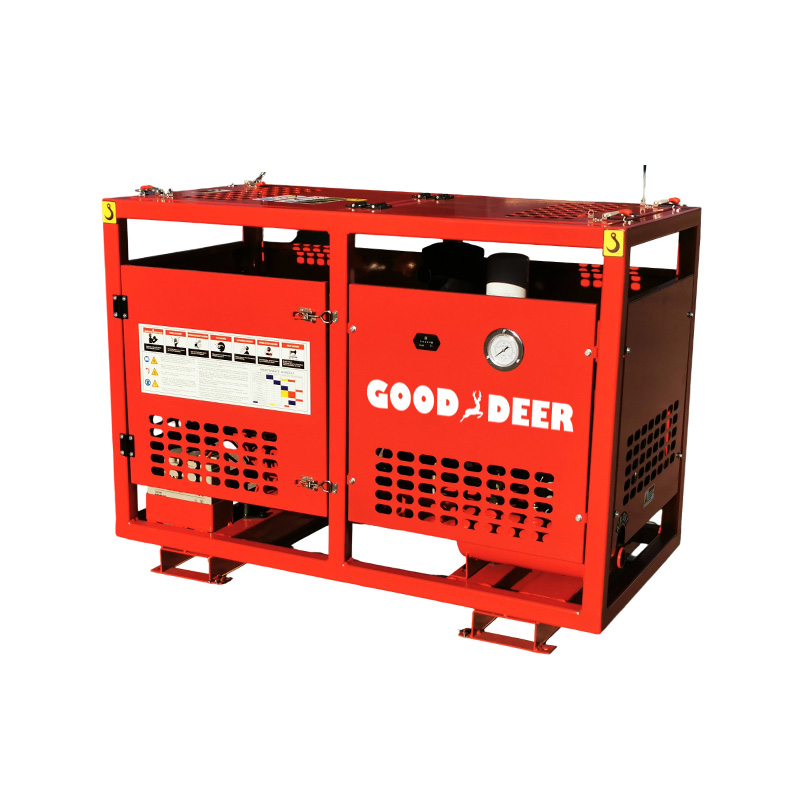
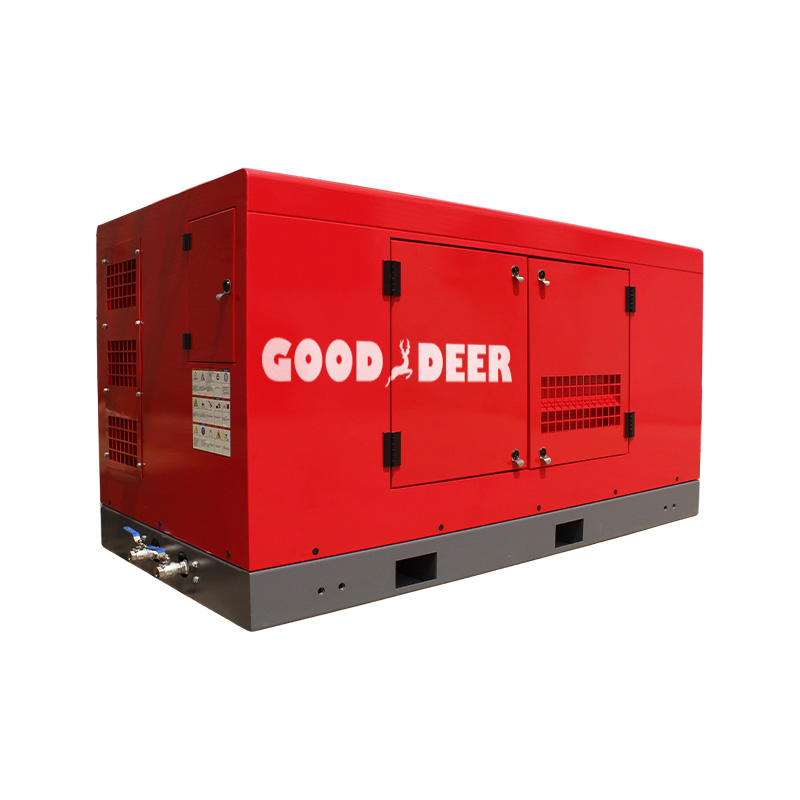
Diesel-driven screw compressors are popular on construction sites and in remote operations where mains electricity is not available. The diesel engine turns the rotors directly, so the machine works completely off-grid. These units are built with rugged frames, large fuel tanks, and heavy-duty cooling systems for outdoor duty.
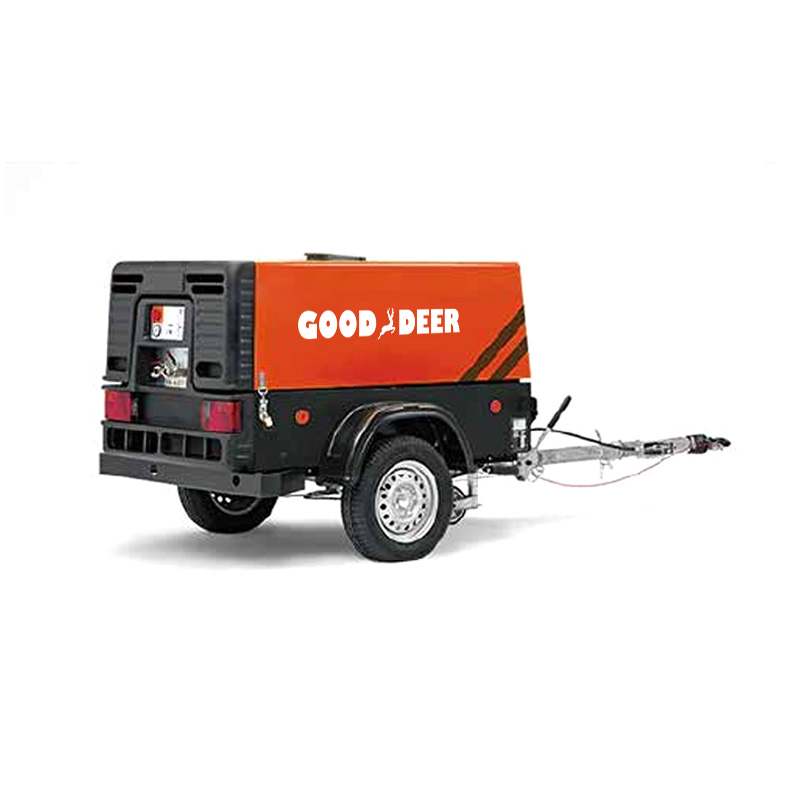 Diesel Movable Screw Air CompressorDiesel-powered movable screw compressor for off-grid construction and remote work, combining a matched diesel engine with screw compression to deliver stable, continuous air and mobility. Reinforced frame supports rugged, vibration-heavy conditions.View Product →
Petrol-driven screw compressors fill a similar role for lighter tasks. They suit maintenance crews, agricultural work, and field teams that need portable air without electrical power. The petrol engine is paired with a compact skid-mounted airend to keep the package easy to move.
Fixed Speed vs. Variable Speed
A fixed-speed compressor runs the motor at a constant speed and alternates between loaded and unloaded states to match demand. This design is simple and reliable and suits facilities with fairly constant air consumption.
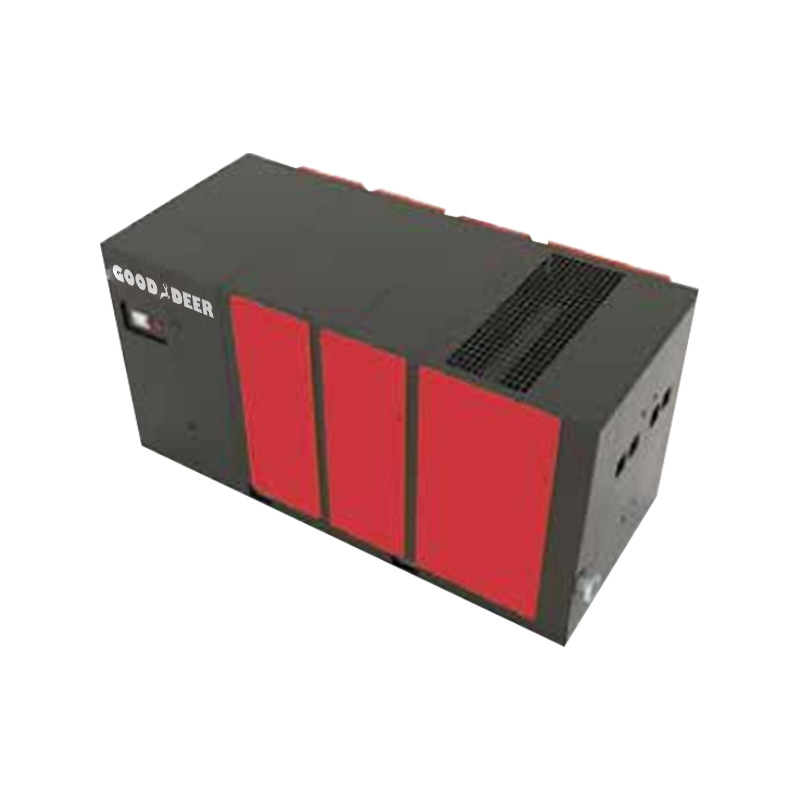
A variable-speed drive compressor uses a frequency inverter to adjust the motor speed continuously as air demand changes. Instead of cycling on and off, the machine slows down when demand is low and speeds up when demand rises. This produces steadier pressure and can reduce electricity consumption by twenty to thirty percent in applications with fluctuating air use.
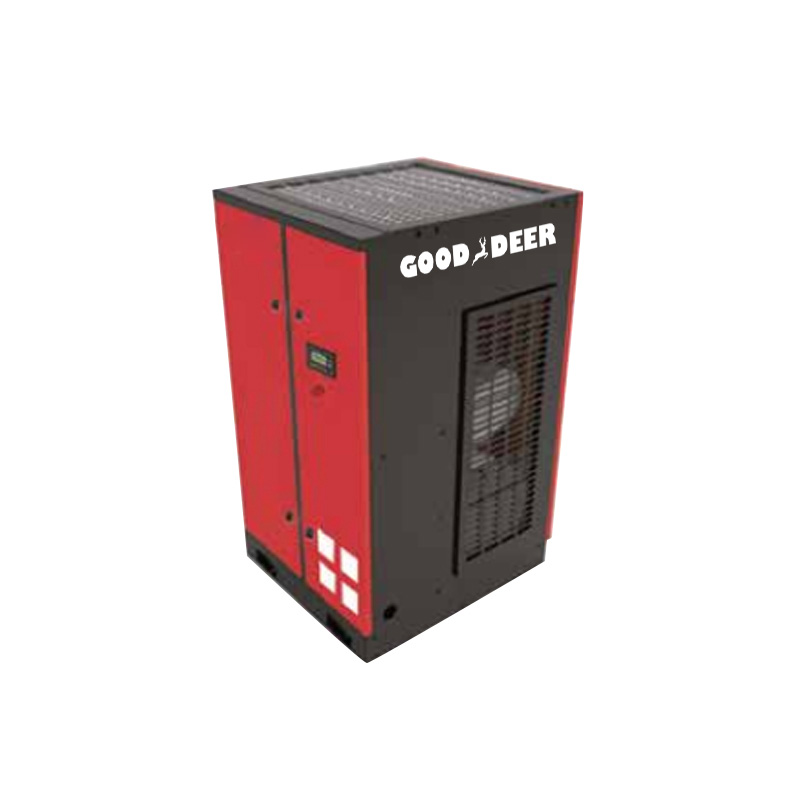 Variable Frequency Drive Air CompressorVariable frequency drive air compressor adjusts motor speed and output flow to match changing air demand, helping avoid fixed-speed no-load waste. Suits manufacturing lines needing stable pressure and airflow.View Product →
Maintenance Essentials
Routine maintenance keeps a rotary screw compressor running efficiently for years. The essential tasks are straightforward:
- Replace the air filter every 500 to 2,000 operating hours.
- Change the oil and oil filter every 1,000 to 4,000 hours.
- Inspect the separator element and replace it when differential pressure rises.
- Drain condensate from the receiver tank and moisture traps daily or verify that automatic drains are working.
- Clean the cooler fins and check the cooling fan to prevent overheating.
- Log operating parameters such as discharge temperature, pressure, and vibration to spot gradual changes.
These steps extend service life and prevent downtime that costs far more than the maintenance.
Choosing the Right Rotary Screw Compressor
Choosing the right rotary screw compressor begins with defining your air demand. Calculate the total air consumption of all connected tools and machines, then add a ten to twenty percent margin for future growth and pressure losses. If your plant runs compressed air continuously across multiple shifts, a screw compressor is almost always a better choice than a piston machine.
If you are still deciding between technologies, our piston versus screw compressor comparison explains the strengths and limitations of each design. The Gooddeer screw compressor line includes electric direct-drive, diesel-driven, and variable-speed configurations to match different capacity, pressure, and installation needs.
Understanding how a rotary screw compressor works is the foundation of a smart purchasing decision. The continuous meshing of the rotors, the oil circuit, and the control systems deliver clean, steady compressed air with far less pulsation than piston designs. A properly matched unit will reward you with reliable performance and a long service life. If you have questions about capacity, drive type, or control options, the Gooddeer team is ready to help.