
 English
 русский
 Español
 عربى

A contractor preparing a residential sewer hookup needs a 5-foot-deep trench. A landscaper building a koi pond needs 4 feet at the deep end. A farmer burying field drainage at 8 feet faces a different problem altogether. The mini excavator that handles the first two jobs comfortably may fall short on the third. Most mini excavators dig between 5 and 12 feet deep depending on machine size, and larger compact models above 6 tons can exceed 15 feet. The real task is matching the spec sheet to your actual trench depth before you buy.
Typical Digging Depth Ranges by Machine Class
Digging depth scales closely with operating weight. The table below summarizes what most manufacturers deliver in each size class.
| Machine class | Operating weight | Typical max digging depth |
|---|---|---|
| Micro / 1-ton | 1,000–2,200 lb | 5–7 ft |
| Compact / 2-ton | 3,000–4,500 lb | 7–9 ft |
| Mid-size / 3.5-ton | 5,500–8,000 lb | 9–12 ft |
| Large mini / 6–10 ton | 12,000–22,000 lb | 13–16 ft |
A rough rule of thumb is that every additional 1,000 lb of operating weight adds close to 1 foot of digging depth, but that only holds within the same manufacturer's design family. Boom and arm geometry can shift the number by a foot or more either way.
What Sets the Maximum Digging Depth
Maximum digging depth is the vertical distance from the ground line to the lowest point the bucket teeth can reach when the boom and arm are fully extended toward the ground. Three factors determine that number.
- Boom length. The boom is the main structural section hinged to the machine body. A longer boom raises the pivot point and lets the arm reach further below grade before the boom cylinder bottoms out.
- Arm length. The arm, sometimes called the stick, connects the boom to the bucket. This component most directly controls depth. A 12-inch-longer arm adds 8 to 10 inches of depth in most designs, at the cost of reduced bucket breakout force.
- Attachment height. Bucket size, quick couplers, and hydraulic thumbs all add height between the arm pin and the cutting edge. Every inch of attachment height is an inch of lost depth.
Stability plays an equally important role. A mini excavator can only dig as deep as it can lift the loaded bucket out of the trench without tipping forward. A heavier counterweight, wider undercarriage, and lower center of gravity all improve that lifting margin, which is why two machines with the same boom geometry can publish different depth numbers.
Why Real-World Digging Depth Differs from the Brochure
Published maximum depth assumes level ground, a level machine, and an unobstructed vertical dig directly in front of the tracks. Real jobs rarely cooperate. Several common conditions reduce effective depth.
- Sloped ground. On a 10-degree slope, the machine sits tilted and the boom loses reach on the downhill side. You can lose 1 to 2 feet of effective depth before the tracks even reach level ground.
- Trench benching. OSHA requires benched or stepped walls in trenches deeper than 4 feet in stable soil. A 2-foot-wide bench removes the same distance from the vertical cut you can reach.
- Swing angle. Maximum depth is only available when the boom is perpendicular to the machine's front. Digging at a 30-degree swing angle reduces reach by roughly 15 percent.
- Ground conditions. Hard clay, compacted gravel, or frost requires breakout force to penetrate. If the machine runs out of force before the cylinders finish their stroke, you stop digging early.
- Operator technique. Experienced operators use small boom and arm movements to walk the bucket down and curl it under; less experienced operators leave 6 to 12 inches of depth unused. A step-by-step mini excavator operation guide can help close that gap quickly.
For planning, subtract 10 to 15 percent from the spec-sheet depth on sloped or compacted sites. If you plan to install trench shoring, subtract the shoring height as well.
Match Digging Depth to the Jobs You Actually Do
Mini excavator owners typically work within a fairly narrow depth band. Mapping your most common projects against that band is the most reliable way to pick a machine.
- Utility and water lines, 3 to 6 feet. Residential service lines sit below the frost line, usually 3 to 5 feet in most of North America. A 1-ton micro or 2-ton compact is enough.
- Septic tanks and leach fields, 6 to 9 feet. Tank excavation and drain field trenches regularly exceed 7 feet. A 2- to 3.5-ton machine with a rated depth of at least 9 feet is the safe choice.
- Foundation footings, 8 to 12 feet. Frost footings in cold regions and full basement excavation need deeper reach. Mid-size and large mini excavators are the practical fit here.
- Ponds and drainage channels, 6 to 14 feet. Extra reach lets you shape slopes without repositioning the machine, so a longer arm is worth more than a bigger bucket.
If your projects stay under 6 feet, a compact machine is cheaper to buy, easier to trailer, and lighter on a lawn. If you regularly dig 9-foot trenches for construction excavation, step up a class. The extra cost is small compared with renting a second machine when the first one runs out of reach.
Comparing Mini Excavator Specs the Right Way
When comparing models, look at three numbers together: maximum digging depth, reach at ground level, and operating weight. A machine with an impressive 11-foot depth but poor ground reach will struggle to load trucks or place spoil far from the trench edge.
For depth-critical work, prioritize arm length over bucket size. A longer arm adds depth and reach, while a larger bucket adds production but reduces breakout force and can shorten depth by increasing attachment height.
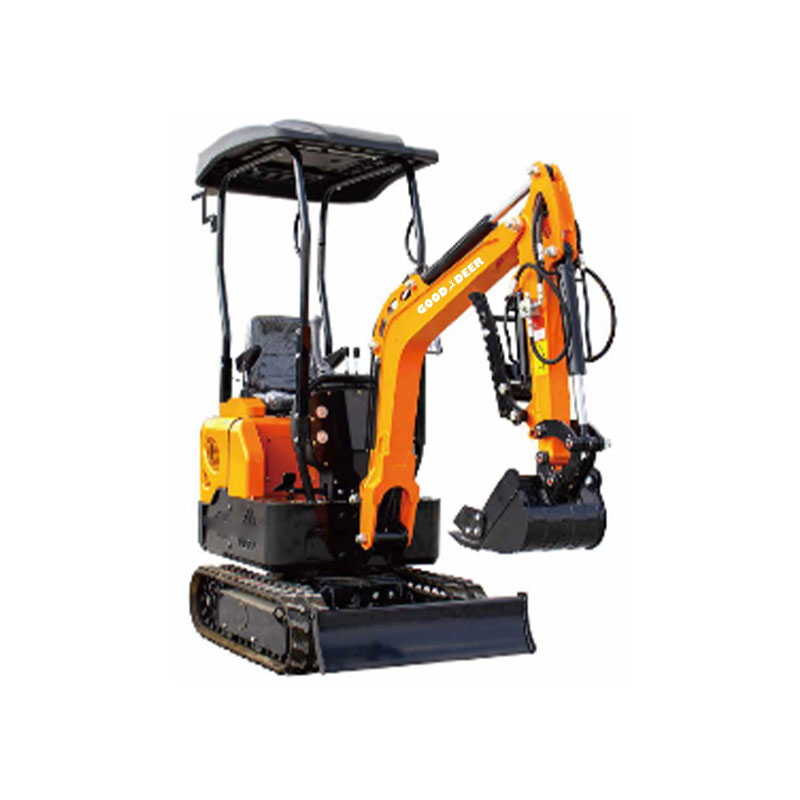
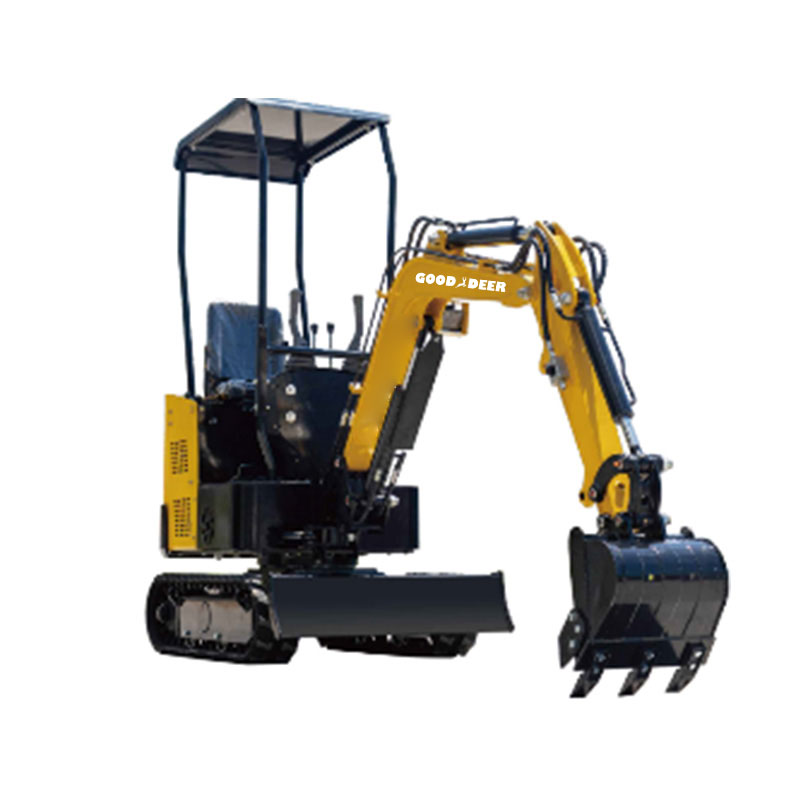
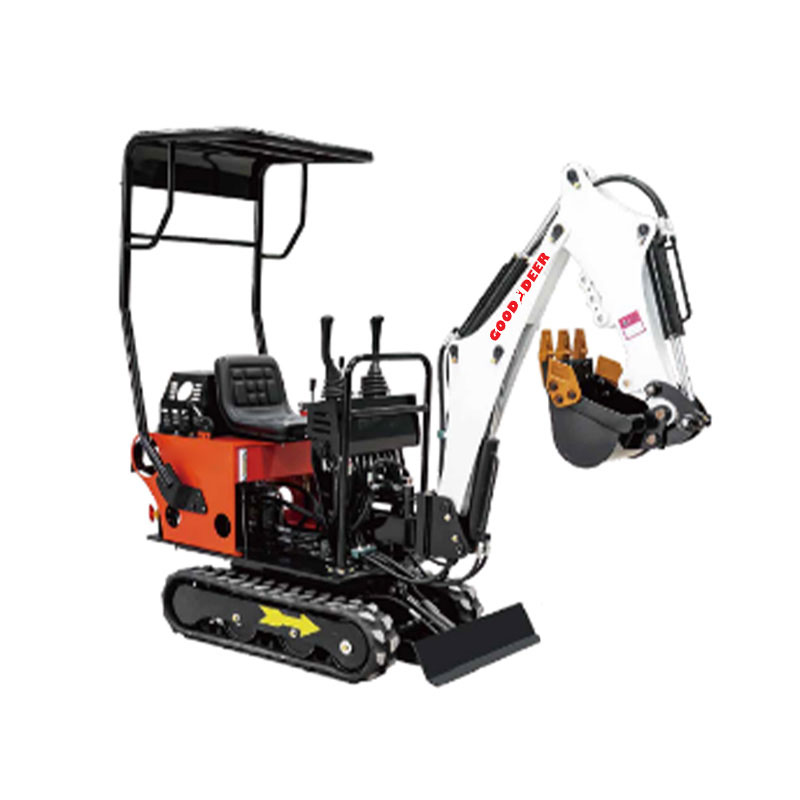
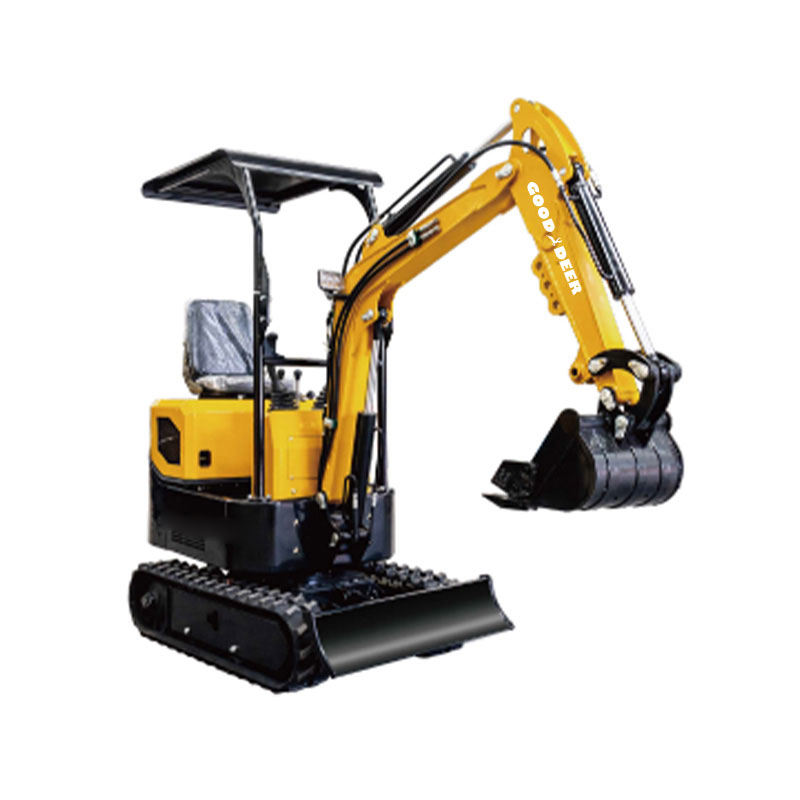
Gooddeer's mini excavator range covers the depth classes most contractors and farmers need. The compact crawler models suit utility and drainage work in confined residential sites. The hydraulic diesel line adds operating weight and breakout force for deeper cuts in dense soil.
If your site layout forces you to dig at angles or next to walls, a 360-degree rotating model lets you reposition the boom without relocating the machine. That working flexibility often matters more than a few extra inches of rated depth.
Before ordering, check the full specification sheet for the exact maximum digging depth with the bucket you plan to run. Manufacturers measure depth with the stock arm and bucket, and changing either changes the published number.
The answer to how deep a mini excavator can dig is rarely a single number. It depends on machine class, arm length, ground conditions, and how the machine is set up. Know your typical trench depth, subtract a margin for site conditions, then choose the class that clears that target. That approach will save you from both an undersized machine and an unnecessarily expensive one.