
 English
 русский
 Español
 عربى
عربى

How to Operate a Mini Excavator: The Short Answer
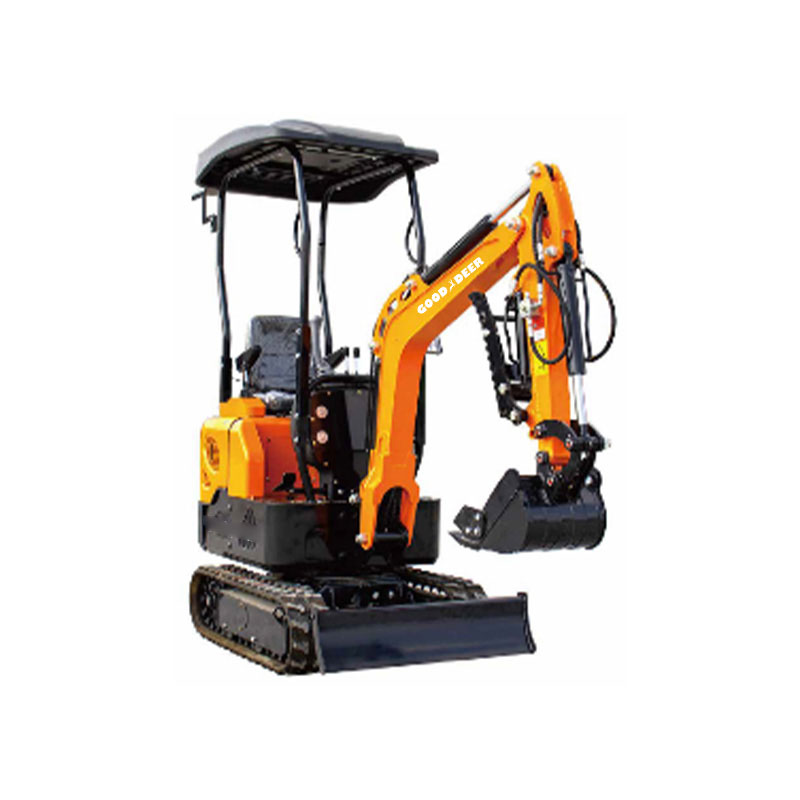
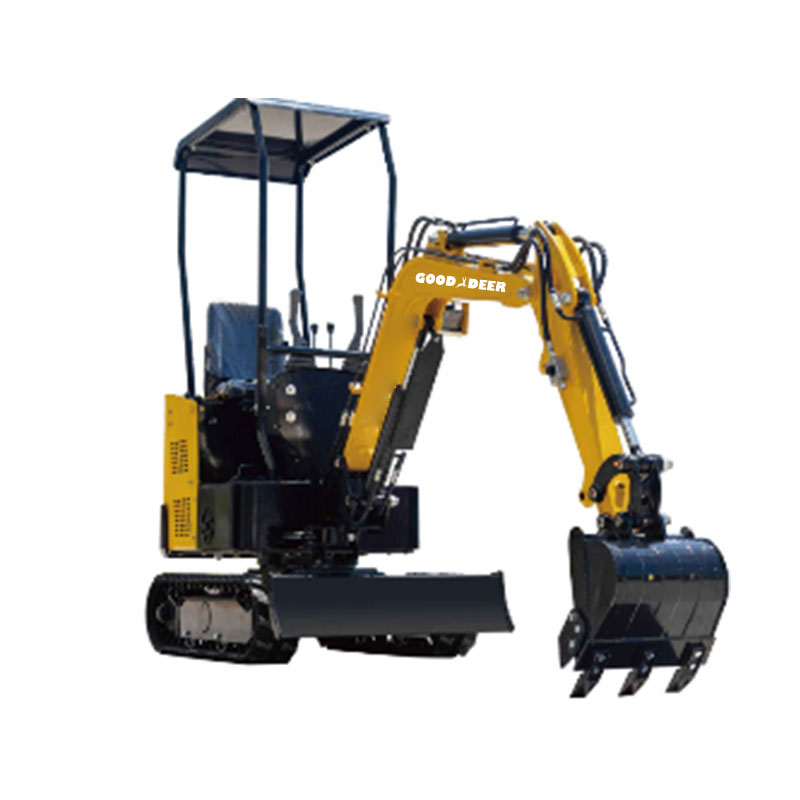
To operate a mini excavator, complete a walk-around inspection, adjust the seat and mirrors, start the engine, and let the hydraulic oil warm up for 3 to 5 minutes before applying load. Once warm, use the two joysticks to control the boom, arm, bucket, and swing, and use the foot pedals or hand levers to steer the tracks. Most machines follow the ISO control pattern as the factory default, though some can be switched to SAE pattern with a valve under the seat.
New operators should spend their first hour practicing smooth, isolated movements (boom up/down, swing left/right) in an open area before attempting trenching or grading. The sections below break down each step, the control layout, common mistakes, and the maintenance checks that keep a machine running safely shift after shift.
Pre-Operation Safety Checklist
A thorough walk-around takes less than five minutes but catches most of the problems that cause downtime or accidents. Inspectors at major rental companies report that over 60% of preventable equipment failures trace back to a skipped pre-shift check.
| Check Area | What to Inspect | Why It Matters |
|---|---|---|
| Fluid levels | Engine oil, hydraulic fluid, coolant | Prevents overheating and pump damage |
| Tracks and undercarriage | Tension, debris, wear on rollers | Loose tracks can derail under load |
| Bucket and attachments | Pins, teeth, cracks in the bucket | Worn pins cause attachment to detach |
| Hoses and cylinders | Leaks, cracks, bulging | A burst hose can cause sudden arm drop |
| Cab and visibility | Mirrors, seat belt, backup alarm | Reduces blind spots and collision risk |
Understanding the Two Control Patterns: ISO vs. SAE
Before touching the joysticks, confirm which control pattern the machine is set to, since moving a lever the wrong way can swing the bucket into something unintended. Roughly 80% of mini excavators sold in North America ship with ISO pattern as the default, but a switch valve near the seat can flip it to SAE.
| Joystick Movement | ISO Pattern | SAE Pattern |
|---|---|---|
| Left stick, forward/back | Swing left/right | Boom up/down |
| Left stick, side/side | Boom up/down | Swing left/right |
| Right stick, forward/back | Bucket curl/dump | Arm in/out |
| Right stick, side/side | Arm in/out | Bucket curl/dump |
Step-by-Step Startup and Warm-Up Procedure
Skipping the warm-up is one of the fastest ways to wear out a hydraulic pump prematurely. Manufacturers such as Kubota and Bobcat recommend the following sequence every time the machine has been sitting for more than a few hours.
- Sit in the seat, fasten the seat belt, and lower the safety bar or lap restraint.
- Confirm both travel levers and the throttle are in neutral before turning the key.
- Start the engine and let it idle for 2 to 3 minutes at low RPM, especially in cold weather.
- Raise the bucket slightly and cycle the boom, arm, and bucket through their full range with no load for another 2 to 3 minutes to circulate hydraulic fluid.
- Test the travel pedals at low speed in a clear area before moving toward the work zone.
Mastering the Joystick and Pedal Controls
Joystick Movements
Practice each function in isolation rather than combining movements right away. Small, deliberate inputs translate to smoother digging and far less wear on the hydraulic valves than jerky, full-throw movements.
Travel Pedals and Levers
Most mini excavators use two foot pedals or hand levers, one for each track, mounted side by side. Pushing both forward moves the machine straight ahead, while pushing only one engages a pivot turn. Operators should always rotate the upper structure so the tracks face forward before traveling any significant distance, since the undercarriage offers better stability and visibility in that orientation.
Basic Digging Technique for Beginners
A standard 3-ton mini excavator typically offers a dig depth of about 8 to 9 feet and a digging force between 4,000 and 6,000 pounds. Follow this sequence for a clean, controlled trench cut:
- Position the machine so the boom points directly at the dig area, minimizing the need to swing while loaded.
- Lower the bucket and curl it into the ground at a shallow angle rather than driving it straight down.
- Pull the arm in while curling the bucket to lift a full, even scoop of material.
- Raise the boom only as high as needed to clear the spoil pile before swinging.
- Swing smoothly, dump by extending the bucket, then return to the dig position in one continuous motion.
Common Mistakes New Operators Make
| Mistake | Consequence | Fix |
|---|---|---|
| Digging at full arm extension | Reduced breakout force, possible tipping | Dig closer to the machine, within mid-range reach |
| Traveling with the boom raised | Raises center of gravity, unstable on slopes | Keep bucket low, about 12 inches off the ground |
| Swinging the boom over people | Major struck-by hazard | Establish and enforce a swing radius barrier |
| Ignoring ground conditions | Track slippage, tipping on slopes over 15° | Test ground stability before positioning the machine |
Safety Rules Every Operator Must Follow
- Always wear a seat belt and lower the safety bar before moving any control.
- Maintain at least 10 feet of clearance from overhead power lines unless local regulations specify a greater distance.
- Never allow workers to stand within the swing radius of the boom while it is in motion.
- Lower the bucket to the ground and engage the parking brake before exiting the cab.
- Call for utility locates before digging in any unfamiliar area.
Post-Operation Maintenance Checks
A short end-of-shift routine extends the life of undercarriage components, which are typically the most expensive parts to replace on a mini excavator. Cleaning compacted dirt from the tracks alone can prevent premature wear that shortens undercarriage life by hundreds of hours.
- Remove dirt and debris packed into the tracks and rollers.
- Check hydraulic fluid level and top off if needed before the next shift.
- Inspect bucket teeth and pins for wear, and grease all pivot points.
- Refuel at the end of the day to reduce condensation buildup in the tank overnight.
Training and Certification Considerations
There is no single federal license required to operate a mini excavator in the United States, but OSHA requires employers to provide equipment-specific training before an employee runs heavy machinery unsupervised. Many contractors complete a combination of classroom instruction and supervised hands-on practice, often totaling 8 to 40 hours depending on the employer and the complexity of the job site. Renters from equipment companies are frequently offered a brief walkthrough, but this should be treated as a starting point rather than a substitute for full operational training.