
 English
 русский
 Español
 عربى

If you are trying to decide between a desiccant air dryer and a refrigerated air dryer, the decision comes down to the pressure dew point your application can tolerate. A refrigerated dryer typically produces a pressure dew point of +3 °C to +10 °C, which covers most workshops, pneumatic tools, and general plant air. A desiccant dryer reaches -20 °C or lower, with many units rated at -40 °C or -70 °C. That single specification drives the purchase price, energy consumption, maintenance schedule, and the range of applications each dryer can serve. This article explains how both technologies work, what they cost to own, and how to pick the right one.
Why Dew Point Is the Key Difference
Pressure dew point is the temperature at which water vapor in compressed air begins to condense into liquid at the actual operating pressure. The lower the dew point, the drier the air. If the dew point sits above the lowest temperature your air lines will experience, water will form somewhere in the system and cause rust, frozen pipes, spoiled product, or failed instrumentation.
The ISO 8573-1 standard classifies compressed air purity by moisture content. A refrigerated dryer generally achieves Class 4, which corresponds to a pressure dew point of +3 °C. Desiccant dryers can reach Class 1 (-70 °C), Class 2 (-40 °C), or Class 3 (-20 °C), depending on the desiccant grade and the dryer configuration. If your process requires Class 2 or Class 1 air, a refrigerated dryer cannot deliver it, no matter how well it is maintained.
How Refrigerated Air Dryers Work
A refrigerated dryer cools the compressed air through a refrigerant heat exchanger, typically to about +2 °C to +3 °C. At that temperature, most of the water vapor condenses into liquid and is drained away. The cold air then exchanges heat with the incoming hot air to save energy. The result is dry air with a pressure dew point of roughly +3 °C to +10 °C.
There are two common configurations. Non-cycling refrigerated dryers run the refrigerant compressor continuously, which keeps the dew point stable but uses energy even at low load. Cycling dryers stop the refrigerant compressor when demand is low, which cuts energy consumption in part-load conditions. Both types share the same operating limit: they rely on cooling, so they work best where the ambient temperature stays above freezing.
Refrigerated dryers are the most common choice for general manufacturing, maintenance shops, sandblasting, air tools, packaging lines, and other applications where a +3 °C to +10 °C dew point is acceptable. Their advantages are straightforward: lower initial cost, lower operating cost, and simpler maintenance than desiccant units. You mostly need to check the refrigerant circuit, replace the condensate drain, and keep the heat exchanger clean. Paired with a reliable continuous-duty screw compressor, a refrigerated dryer forms the backbone of a standard plant air system.
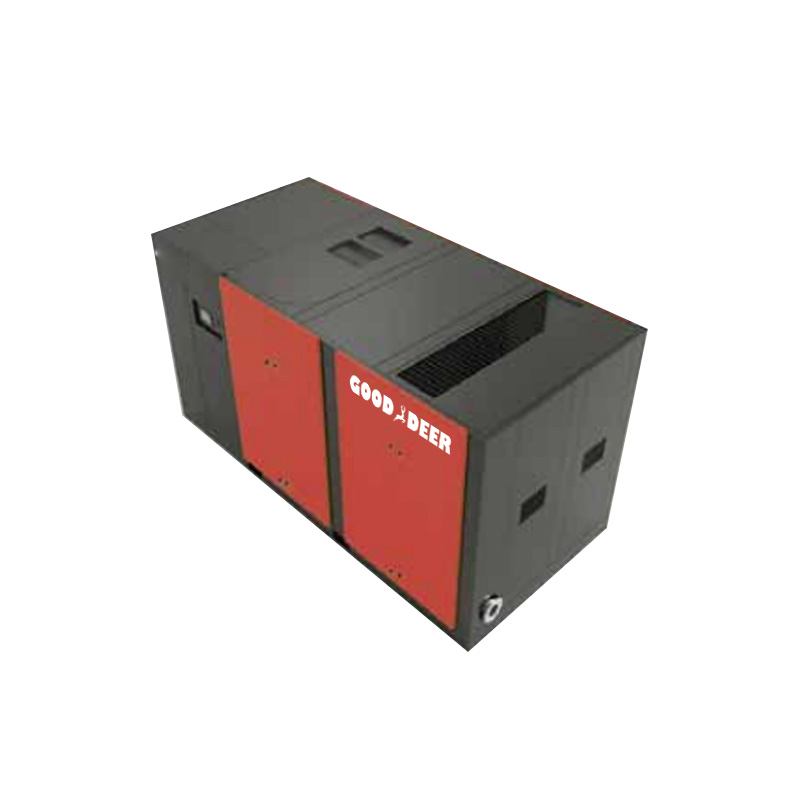
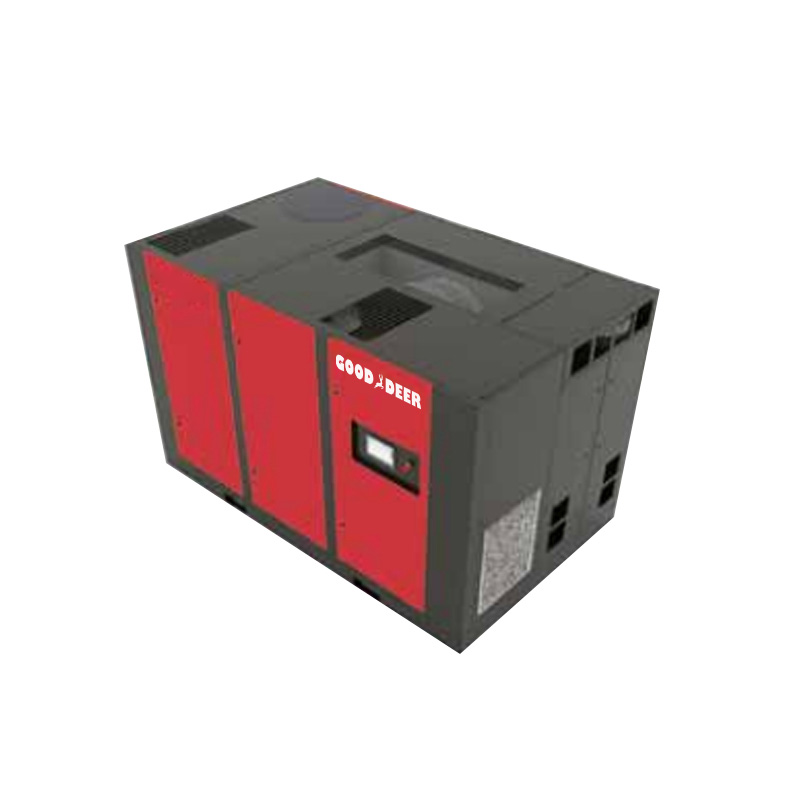 Direct Drive Rotary Screw Air Compressor for Plant AirThis direct drive rotary screw compressor pairs efficiently with a refrigerated dryer to form the backbone of a standard plant air system. Its compact design suits limited spaces and reduces maintenance compared to belt-driven units.View Product →
The important limitation is that a refrigerated dryer cannot produce ultra-dry air, and it cannot operate reliably where the ambient temperature can drop near or below 0 °C, because the condensed water can freeze inside the dryer. If your plant sits in a cold climate and your air lines run outdoors, a refrigerated dryer alone is risky.
How Desiccant Air Dryers Work
A desiccant dryer passes the compressed air through a bed of hygroscopic material, usually activated alumina or molecular sieve, that adsorbs water vapor onto its surface. The dryer uses two towers: while one tower dries the air, the other is regenerated by removing the captured water. The two towers switch automatically, so the dryer produces a continuous supply of very dry air.
Each regeneration method has a different energy profile:
- Heatless desiccant dryers use a portion of the dry compressed air to purge and regenerate the offline tower. They are simple, but they consume 12 % to 18 % of the total flow as purge air, which raises the load on the compressor.
- Heated desiccant dryers use an electric or steam heater to regenerate the desiccant, reducing purge air loss to about 5 % to 8 %. They cost more upfront and need extra controls, but they save energy over time.
- Blower purge dryers use an external blower and heater to regenerate the tower, so almost no compressed air is wasted. These suit very large flows and continuous duty cycles.
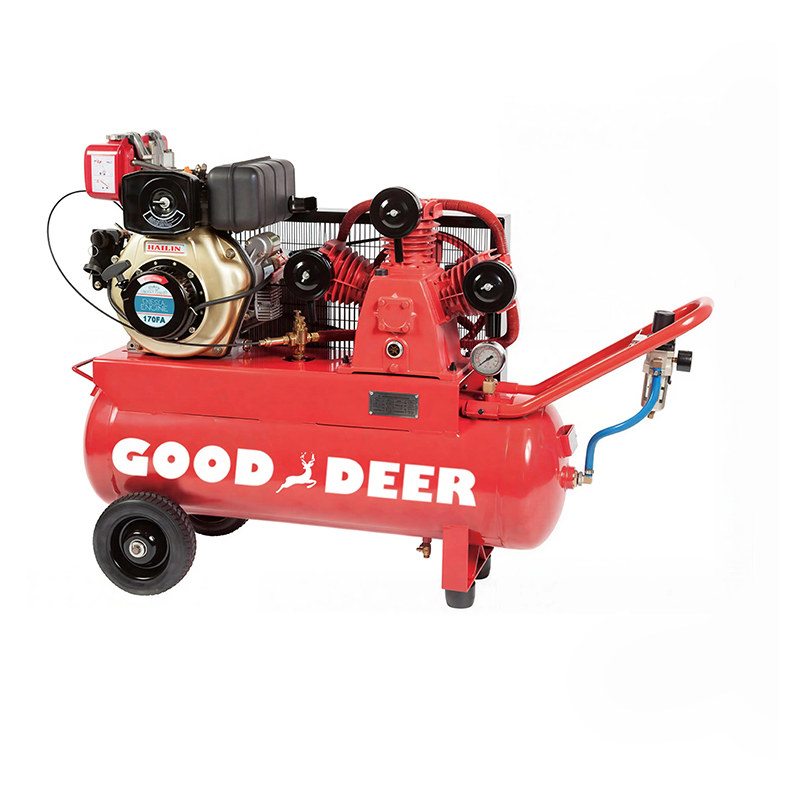
Desiccant dryers are the right choice when the dew point requirement is below +3 °C, when the air lines are exposed to freezing temperatures, or when the production process cannot tolerate moisture. Typical users include pharmaceutical plants, electronics assembly, food packaging with strict moisture limits, powder coating, instrumentation air, and outdoor pipeline systems where condensation would freeze. If the work is remote and grid power is not available, a diesel-driven screw compressor keeps the whole air system self-sufficient while the desiccant dryer handles the moisture load.
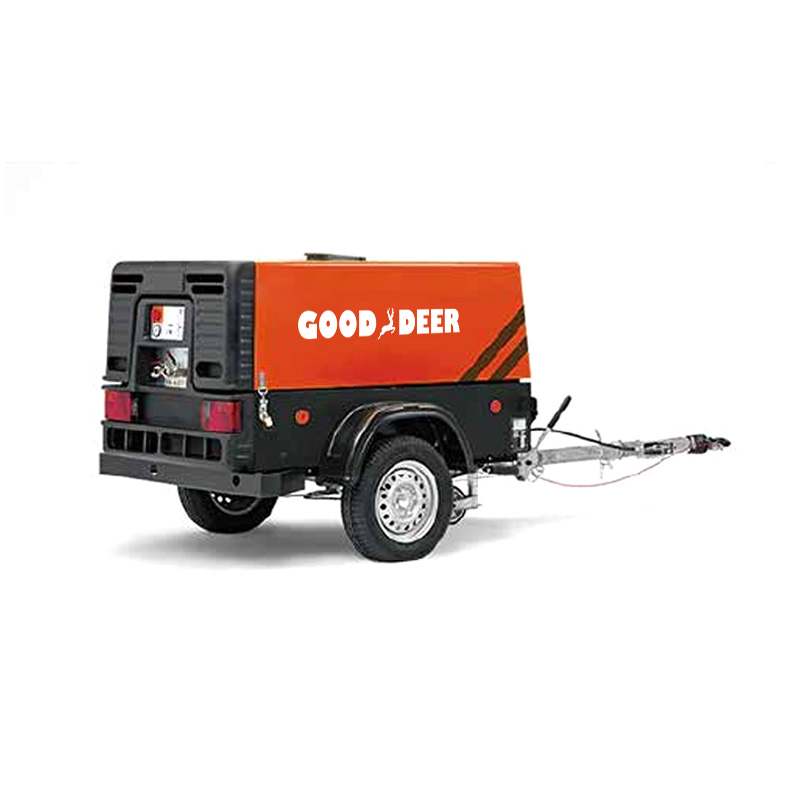 Diesel Movable Screw Air Compressor for Remote SitesWhen operations are remote and grid power is unavailable, this diesel-driven screw compressor keeps the entire air system self-sufficient. Its reinforced frame and stable vibration resistance suit high-load work, enabling reliable compressed air for desiccant drying applications.View Product →
The downside is real. Desiccant dryers cost more to buy, consume additional energy through purge air, and require regular desiccant replacement. If the desiccant bed becomes contaminated with oil from a poorly maintained compressor, the media may need to be replaced earlier than expected. That is why a well-maintained or oil-free upstream compressor matters more when you run a desiccant dryer.
Cost and Energy Comparison
When buyers compare dryers, they often focus on the purchase price. That is a mistake. The operating cost over five years can exceed the purchase price, especially for a desiccant dryer that wastes compressed air during regeneration. The table below summarizes the typical differences.
| Factor | Refrigerated Dryer | Desiccant Dryer |
|---|---|---|
| Pressure dew point | +3 to +10 °C | -20 to -70 °C |
| Initial purchase cost | Lower | Higher |
| Energy consumption | Moderate | Higher due to purge air |
| Maintenance | Refrigerant checks, drains | Desiccant replacement, valves |
| Cold-weather operation | Not recommended below 0 °C | Works well |
| ISO 8573-1 moisture class | Class 4 at best | Class 1 to 3 |
The energy difference comes mainly from purge air. A heatless desiccant dryer consumes 12 % to 18 % of the nominal flow just to regenerate the towers. If the compressor plant runs continuously, that extra flow means a larger compressor and a higher electricity bill. Some facilities install a refrigerated dryer upstream of a desiccant dryer to remove most of the water first, which reduces the moisture load and the purge air consumption of the desiccant stage. This hybrid arrangement works well when a process needs a very low dew point for only a portion of the plant.
How to Match the Dryer to Your Application
Start with the lowest temperature the compressed air will encounter, not the average. If the air line runs outdoors in winter and the ambient temperature drops to -15 °C, a refrigerated dryer with a +3 °C dew point will allow condensation and freezing. A desiccant dryer rated at -40 °C would keep the line dry. Conversely, for an indoor workshop where the lowest temperature is +15 °C, a refrigerated dryer is more than enough and much cheaper to run.
Next, identify the moisture sensitivity of the process. Pneumatic cylinders, air tools, and general blow-off air tolerate a +3 °C dew point without issues. Paint spraying, powder coating, pharmaceutical processing, electronics testing, and laboratory instruments often require Class 2 or Class 1 air. Food and beverage plants usually select dryers based on the risk of microbial growth and the specific packaging process, so a +3 °C dew point is common unless the product demands more.
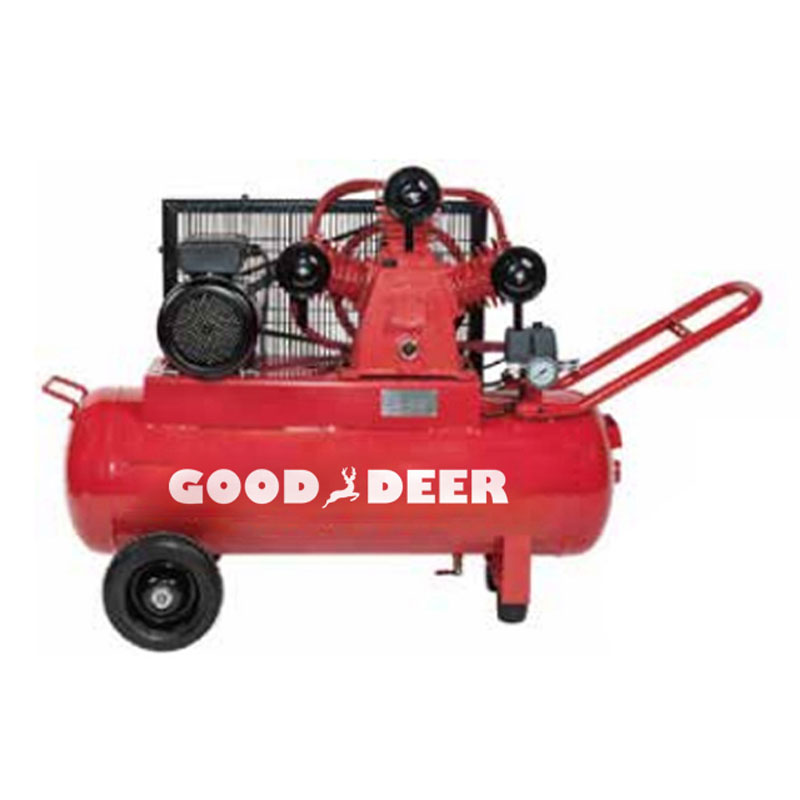
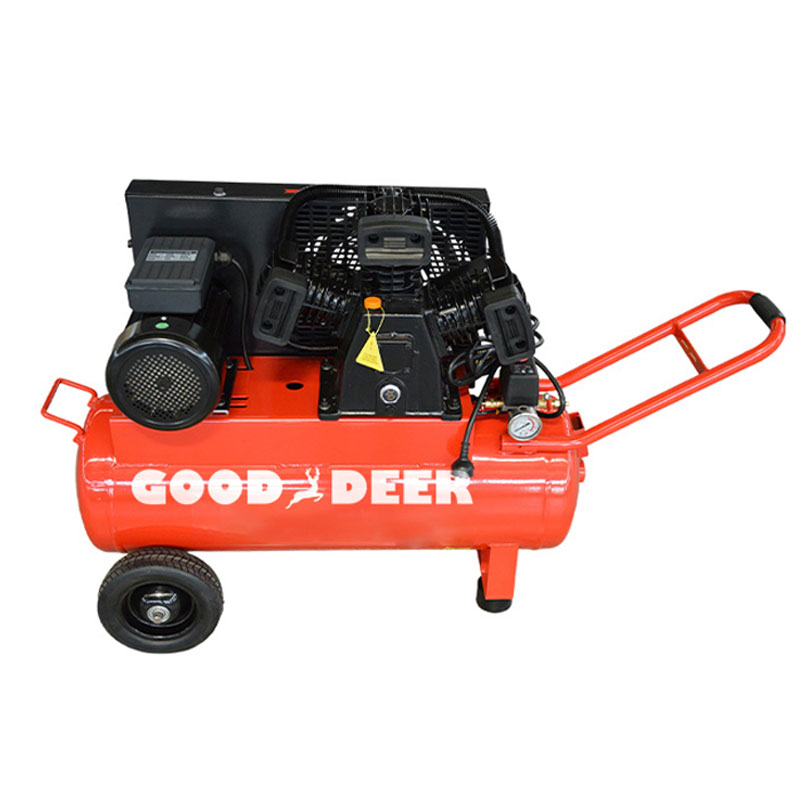
Finally, check the selection criteria that affect performance: inlet air temperature, inlet pressure, ambient temperature, and required flow rate. Dryer capacity tables are published at standardized conditions, and the actual capacity changes when your operating conditions differ. A dryer that is undersized for a high inlet temperature will deliver a poor dew point. One that is oversized wastes energy and may not regenerate properly at low load. Apply the correction factors from the manufacturer instead of guessing. For smaller workshops with limited air demand, a three-phase industrial piston compressor with a correctly sized refrigerated dryer offers a lower-cost entry point.
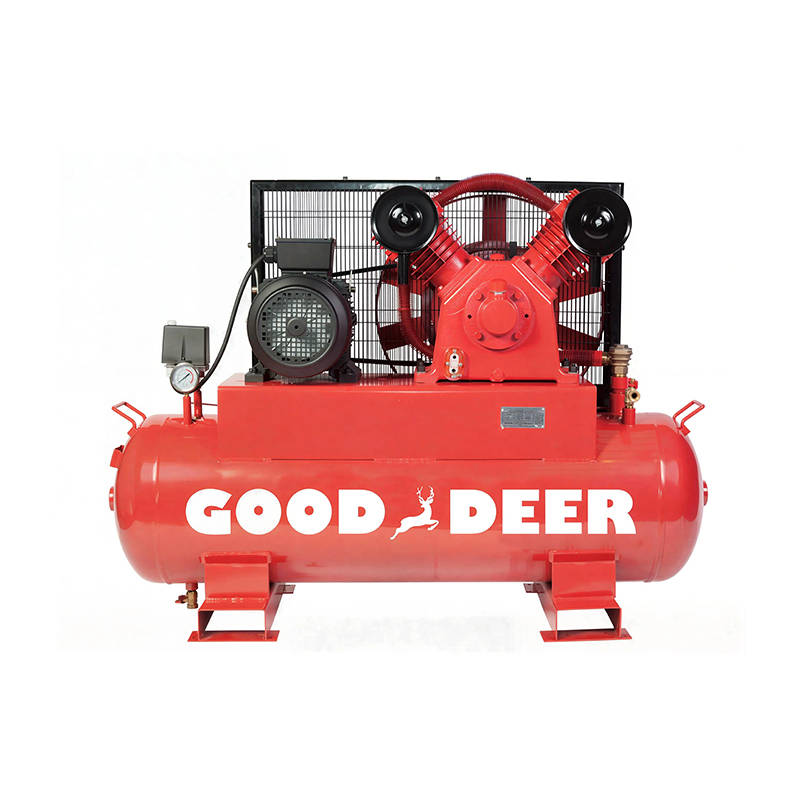
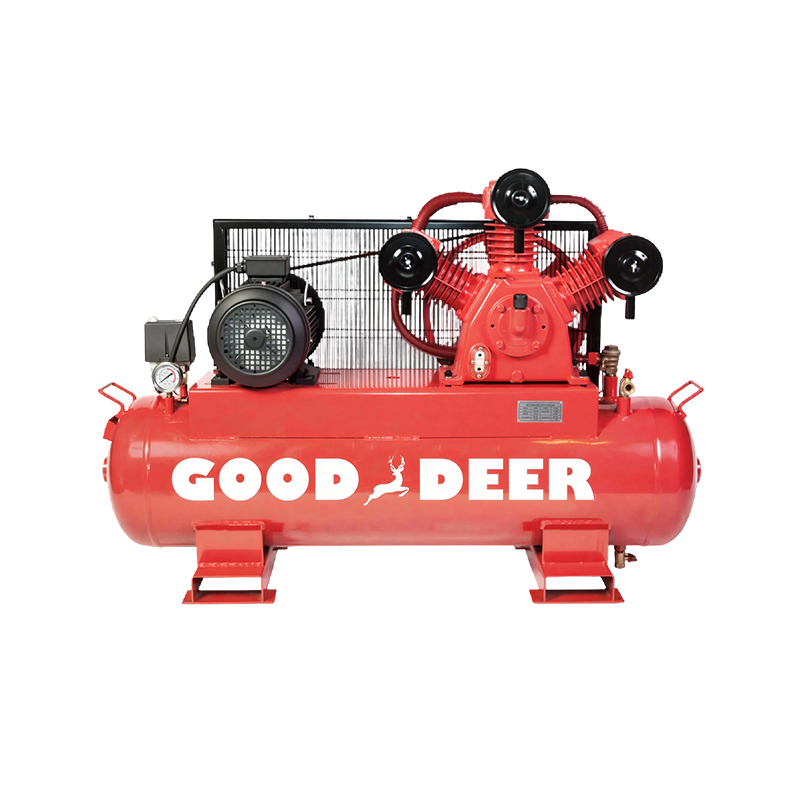 Industrial Three Phase Compressor for Smaller WorkshopsFor smaller workshops with limited air demand, this three-phase industrial compressor paired with a correctly sized refrigerated dryer offers a low-cost entry point. High-efficiency motor and pressure switch details support reliable performance in typical shop conditions.View Product →
The Bottom Line
For the majority of compressed air systems, a refrigerated dryer is the sensible default. It costs less to buy, less to run, and requires less attention. Choose it unless the process needs a pressure dew point below +3 °C, the air lines are exposed to sub-zero temperatures, or the product quality depends on extremely dry air. In those cases, a desiccant dryer is not an upgrade; it is the only practical way to meet the specification.
Remember that the compressor and the dryer are selected as one system, because the dryer flow rating, the purge air consumption, and the compressor output all interact. If you are still evaluating the moisture risks in your existing setup, read this guide on how to remove moisture from an air compressor, or review the general machinery applications for more on matching equipment to plant conditions.