
 English
 русский
 Español
 عربى
عربى

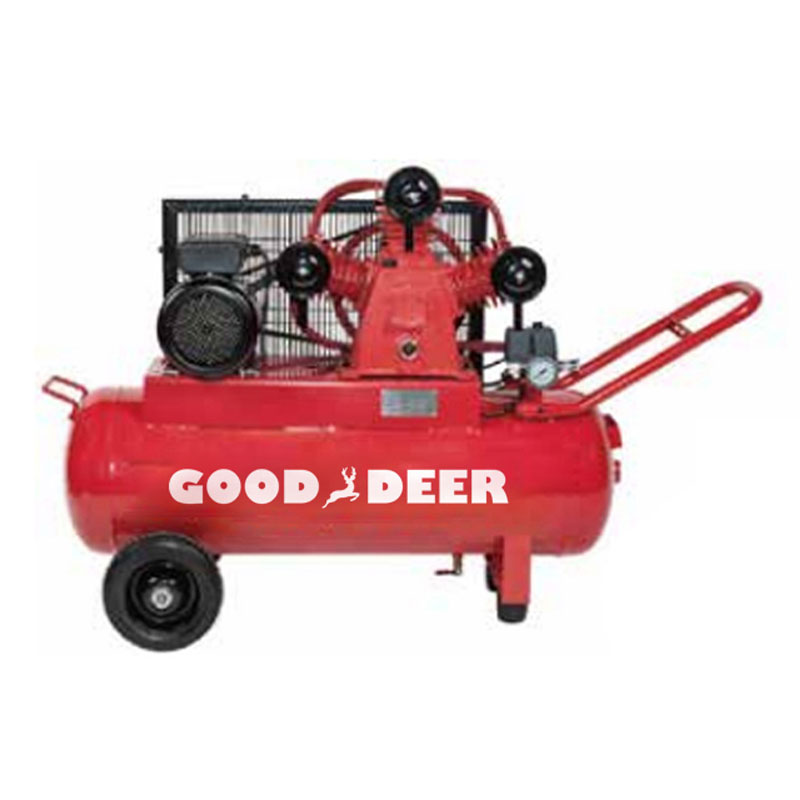
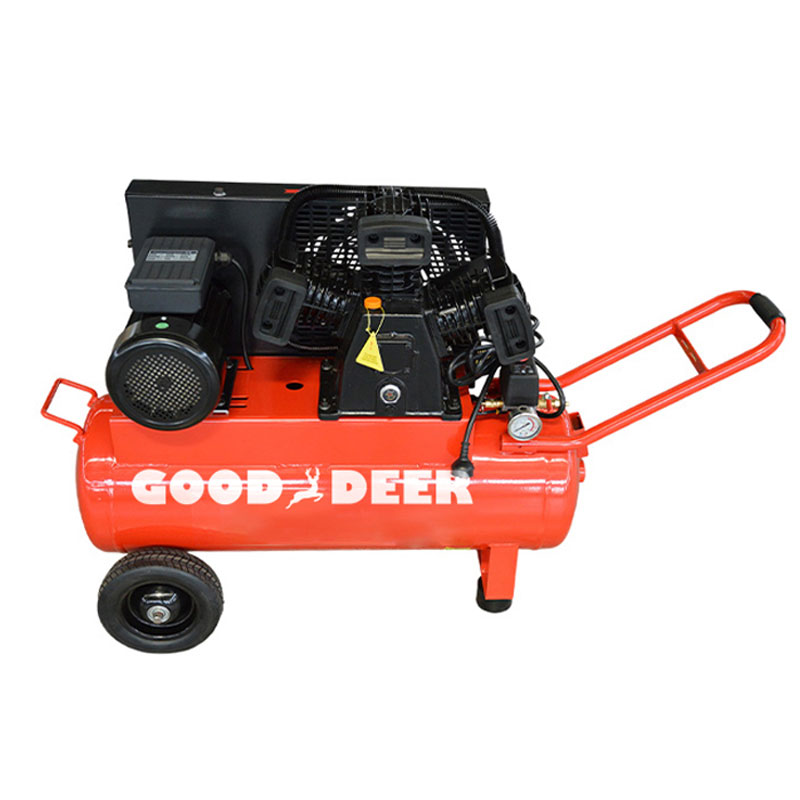
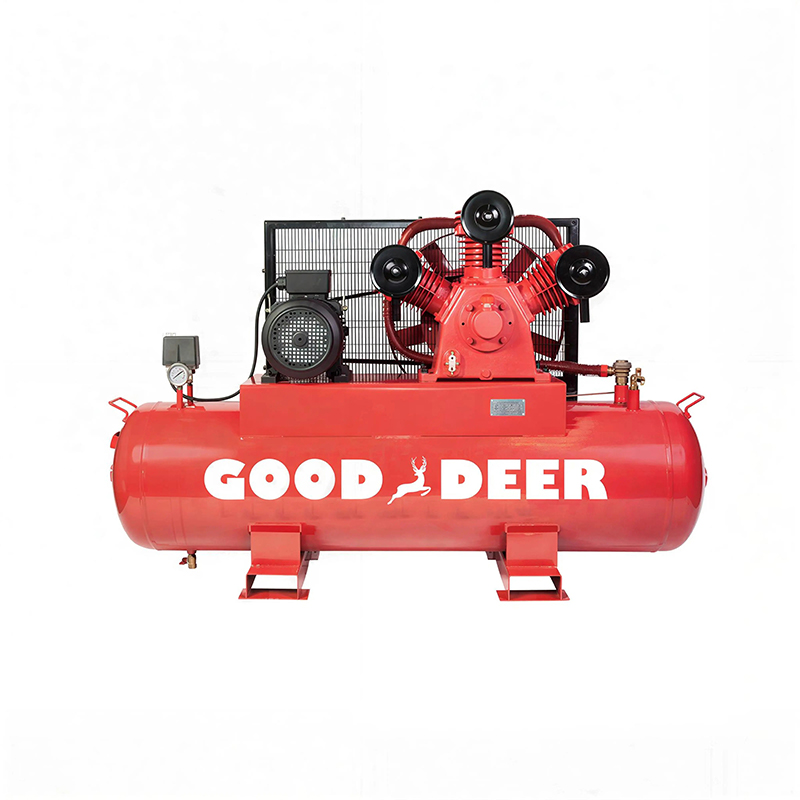
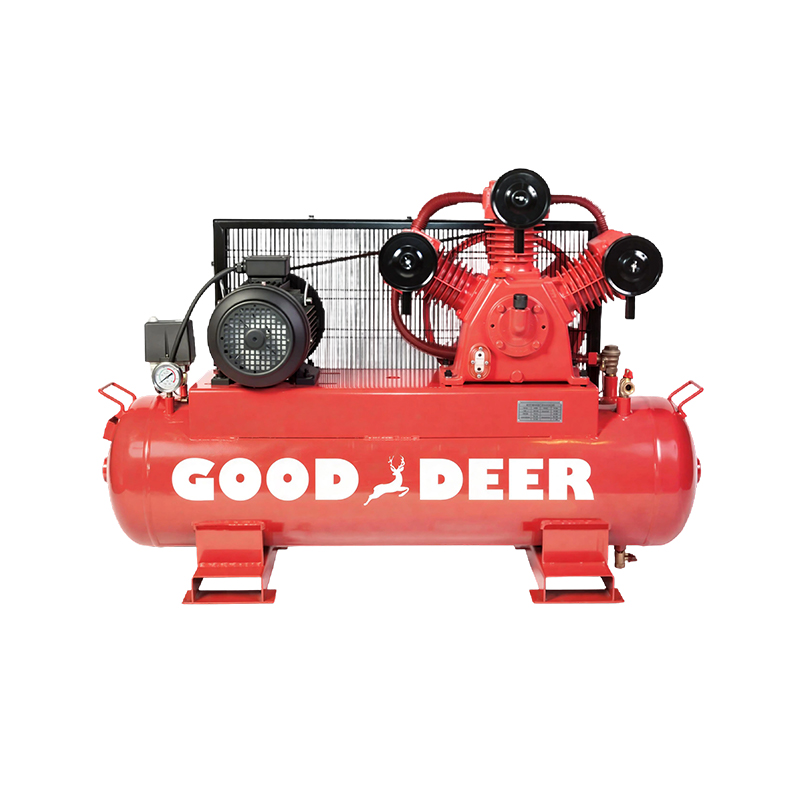
In modern industrial operations, compressed air is often referred to as the “fourth utility” after electricity, water, and natural gas. From manufacturing floors to automotive workshops, factories, and construction sites, the demand for reliable compressed air systems is universal. At the heart of many of these systems lies the reciprocating air compressor, also known as a piston air compressor, which delivers dependable performance across a wide range of applications.
As a leading manufacturer and supplier of piston air compressors and reciprocating air compressors, we have observed how these machines are critical to operational efficiency, equipment longevity, and overall productivity in industrial settings.
Understanding the Reciprocating Air Compressor
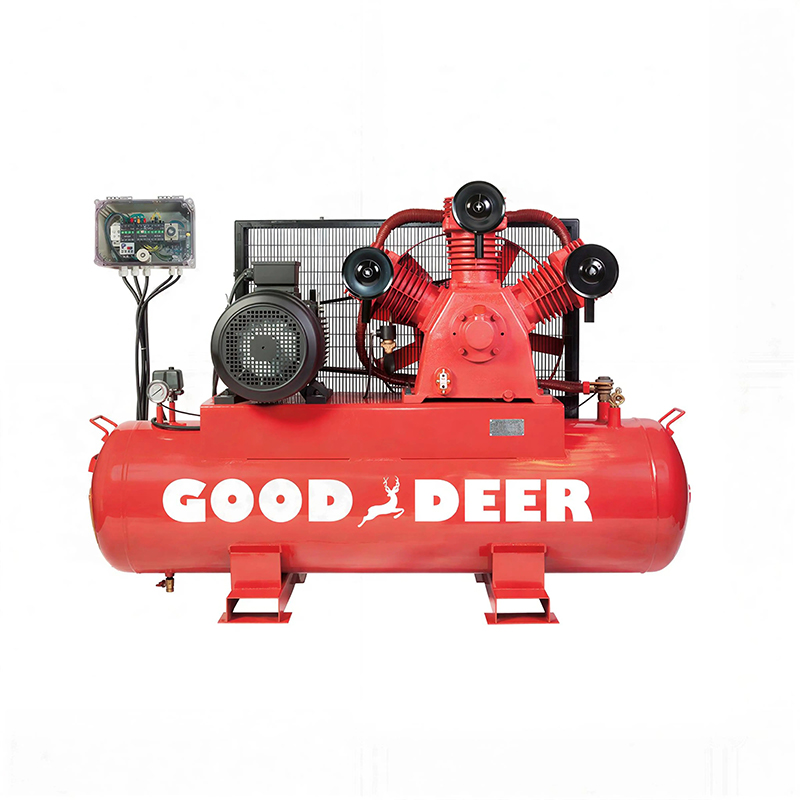
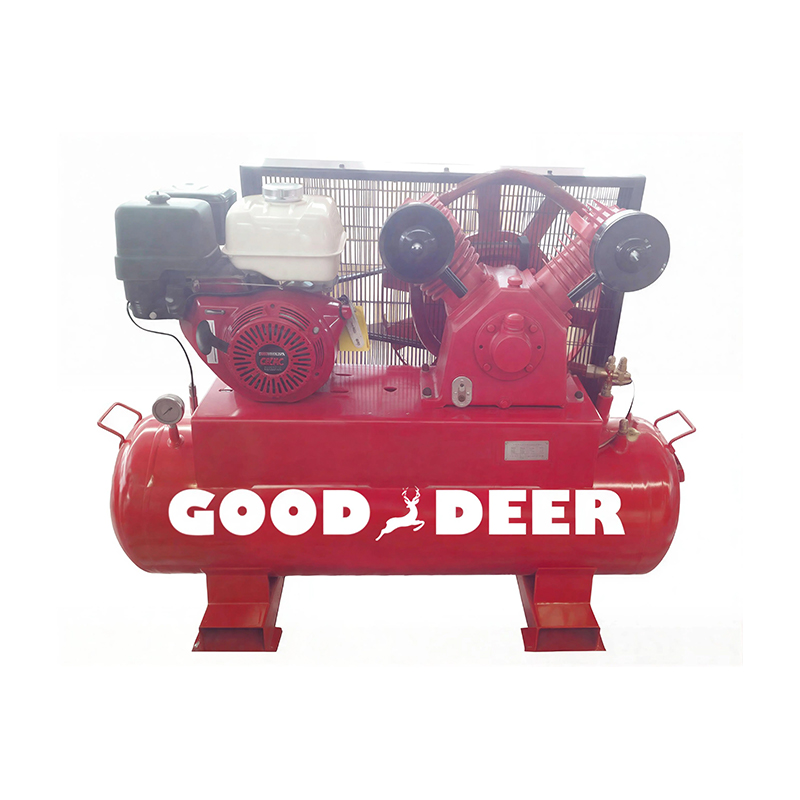
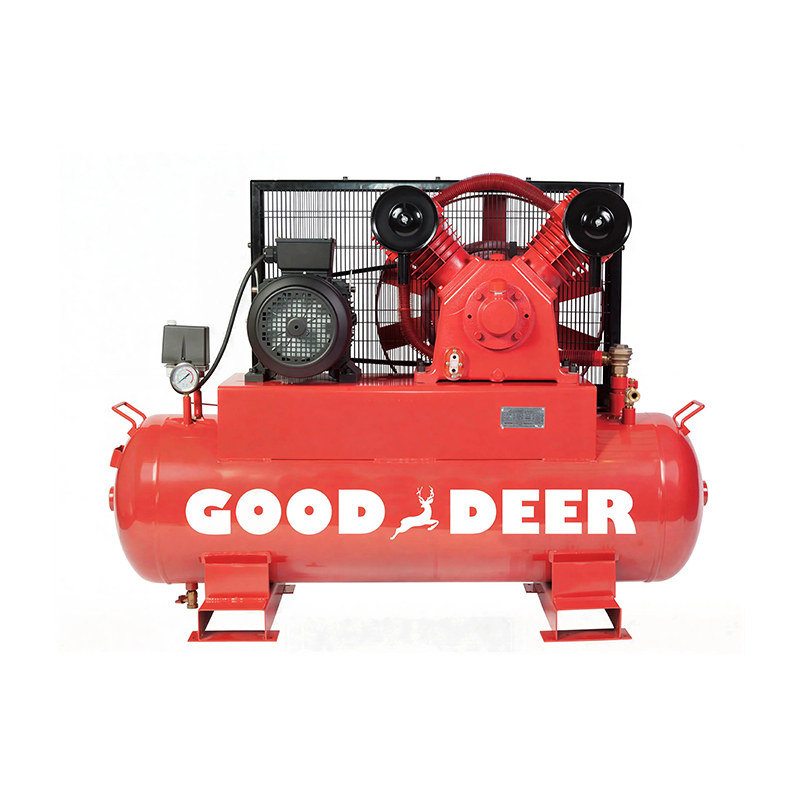
A reciprocating air compressor is a positive displacement machine that compresses air by using a piston inside a cylinder. The piston moves back and forth, drawing in air on the intake stroke and compressing it on the discharge stroke. The compressed air is then stored in a tank or delivered directly to pneumatic equipment.
Key Components of a Reciprocating Air Compressor:
-
Piston and Cylinder: The primary elements that compress air through reciprocating motion.
-
Crankshaft and Connecting Rod: Convert rotational motion into reciprocating motion.
-
Intake and Discharge Valves: Control air entry and exit during the compression cycle.
-
Flywheel: Maintains smooth operation and stores kinetic energy.
-
Cooling System: Prevents overheating during prolonged operation, often via air or water cooling.
The combination of these components allows the reciprocating air compressor to deliver high-pressure air reliably, even in demanding industrial environments.
How a Reciprocating Air Compressor Works
The operation of a reciprocating air compressor is straightforward but highly effective:
-
Intake Stroke: The piston moves downwards, creating a vacuum in the cylinder. Air is drawn in through the intake valve.
-
Compression Stroke: The piston moves upwards, compressing the air within the cylinder.
-
Discharge: The compressed air exits the cylinder through the discharge valve and is either stored in a tank or sent directly to tools and machinery.
This simple mechanism allows reciprocating air compressors to generate pressures ranging from 100 to 175 psi or higher, making them ideal for powering a variety of industrial equipment.
Advantages of Reciprocating Air Compressors in Industrial Applications
High-Pressure Output
One of the most important advantages of a reciprocating air compressor is its ability to produce high-pressure air. Many industrial applications, including pneumatic tools, spray painting, and hydraulic systems, require consistent high-pressure air to operate efficiently. Reciprocating compressors excel in meeting these demands.
Durability and Longevity
Built with heavy-duty components like steel cylinders, durable pistons, and robust crankshafts, reciprocating air compressors are designed for longevity. Properly maintained, these machines can last decades, making them a reliable choice for industries that require continuous operation.
Versatility Across Industries
The reciprocating air compressor is incredibly versatile. It is used in:
-
Automotive workshops: Powering impact wrenches, spray guns, and tire inflation.
-
Manufacturing plants: Operating assembly line pneumatic equipment.
-
Construction sites: Running jackhammers, nail guns, and sandblasting tools.
-
Food and beverage industry: Providing compressed air for packaging and cleaning processes.
This versatility makes it a staple in industrial settings of all types.
Cost-Effective Investment
Compared to other types of compressors, reciprocating air compressors are relatively affordable to purchase and maintain. Their simple design reduces the need for complex components, and their ability to handle intermittent operation efficiently makes them economically attractive for industries with variable air demand.
Reliability in Intermittent Use
Many industrial operations require air intermittently rather than continuously. Unlike rotary compressors, which perform best under constant load, reciprocating air compressors can handle fluctuating workloads without losing efficiency or risking damage.
Maintenance and Care for Optimal Performance
Proper maintenance is key to ensuring the long-term efficiency of a reciprocating air compressor. Regular care reduces downtime, prevents costly repairs, and extends the life of the equipment. Important maintenance practices include:
Regular Oil Changes
Lubricated models require periodic oil changes to ensure smooth piston and crankshaft operation. Using the correct grade of industrial compressor oil is critical for reducing friction and wear.
Air Filter Inspection
Clean intake air is vital for efficient compression. Air filters should be inspected and cleaned or replaced regularly to prevent dust and debris from entering the compressor.
Valve Maintenance
Intake and discharge valves should be checked periodically for signs of wear or damage. Properly functioning valves ensure efficient air compression and prevent pressure loss.
Tank and Drain Maintenance
Condensation can accumulate in the air tank, leading to corrosion. Draining the tank regularly prevents rust and extends the lifespan of the storage system.
Belt and Pulley Checks
If the compressor uses a belt-driven system, belts should be inspected for wear and tension. Loose or worn belts reduce efficiency and can lead to motor strain.
Reciprocating vs. Rotary Compressors
While reciprocating air compressors are highly effective, they differ from rotary screw compressors, which are often used in large-scale industrial applications. Key differences include:
| Feature | Reciprocating Air Compressor | Rotary Screw Compressor |
|---|---|---|
| Pressure | High, up to 175 psi or more | Moderate, continuous output |
| Duty Cycle | Intermittent | Continuous |
| Size | Compact | Larger footprint |
| Cost | Lower initial cost | Higher initial cost |
| Maintenance | Moderate | Lower with proper care |
Industries requiring high-pressure bursts and intermittent use often prefer reciprocating air compressors, while continuous-flow applications may benefit from rotary screw systems.
Applications in Modern Industry
Automotive Industry
From tire inflation to running pneumatic tools, the reciprocating air compressor is indispensable in automotive service centers. Spray painting booths also rely on high-pressure air to achieve smooth, even coatings.
Manufacturing and Assembly Lines
Pneumatic machinery, stamping presses, and robotic actuators often require precise air pressure. Reciprocating air compressors provide reliable air bursts to maintain productivity and efficiency.
Construction and Heavy Industry
Portable piston compressors are ideal for construction sites where high-pressure air is needed for jackhammers, sandblasting, and other tools. Their robustness allows them to withstand harsh conditions and irregular workloads.
Food and Beverage Industry
In packaging, bottling, and cleaning operations, a clean and precise air supply is critical. Oil-free reciprocating compressors are often used to prevent contamination while maintaining efficiency.
Innovations and Technological Improvements
Recent advancements have enhanced the performance and efficiency of reciprocating air compressors:
-
Oil-free piston designs: Reduce contamination risks for sensitive applications.
-
Noise reduction technologies: Lower operational noise for industrial environments.
-
Variable speed drives: Improve energy efficiency and reduce operating costs.
-
Advanced cooling systems: Prevent overheating during prolonged operation.
These innovations ensure that reciprocating air compressors remain relevant and competitive in modern industrial applications.
Environmental and Economic Considerations
Efficient use of a reciprocating air compressor has both environmental and economic benefits:
-
Energy Efficiency: Properly maintained compressors reduce energy consumption.
-
Durability: Long-lasting components reduce waste and replacement costs.
-
Reduced Downtime: Reliable performance ensures that industrial operations remain productive, reducing financial losses.
Investing in a high-quality reciprocating air compressor is therefore both a cost-effective and sustainable decision for industrial operators.