
 English
 русский
 Español
 عربى
عربى

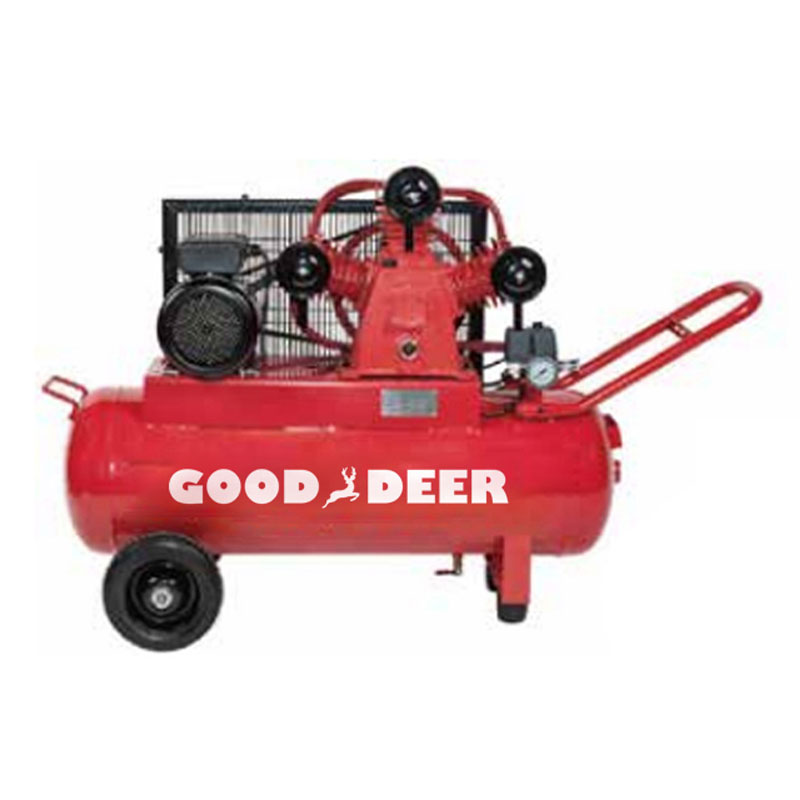
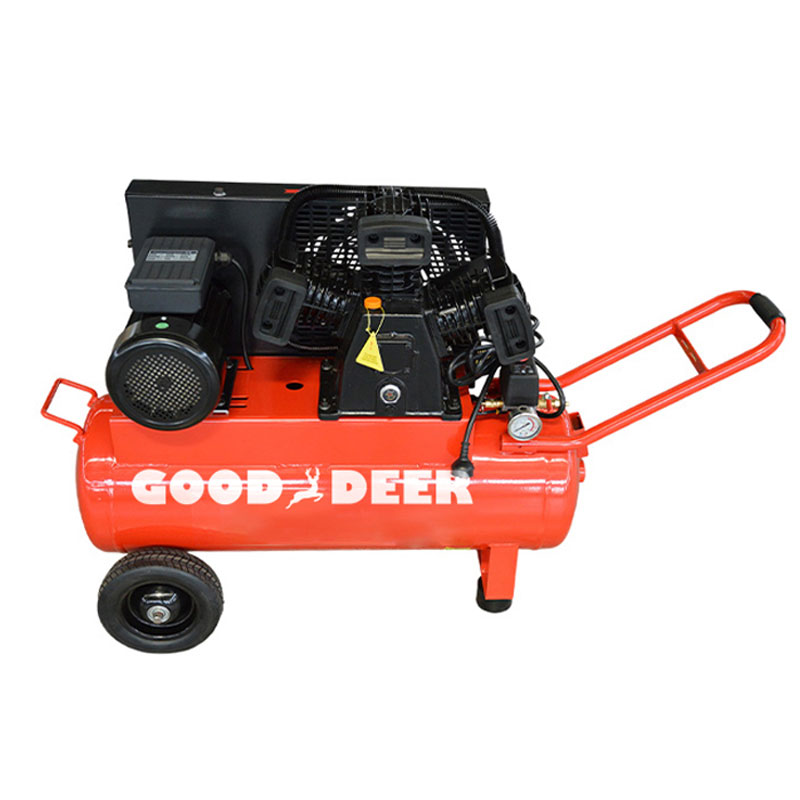
In modern manufacturing, maintaining high levels of efficiency is crucial for meeting production deadlines, reducing costs, and improving product quality. One of the most reliable and widely used tools for achieving this is the piston air compressor. These compressors, also known as reciprocating air compressors, have been at the heart of industrial operations for decades due to their ability to deliver high-pressure air for a wide variety of tasks.
What is a Piston Air Compressor?
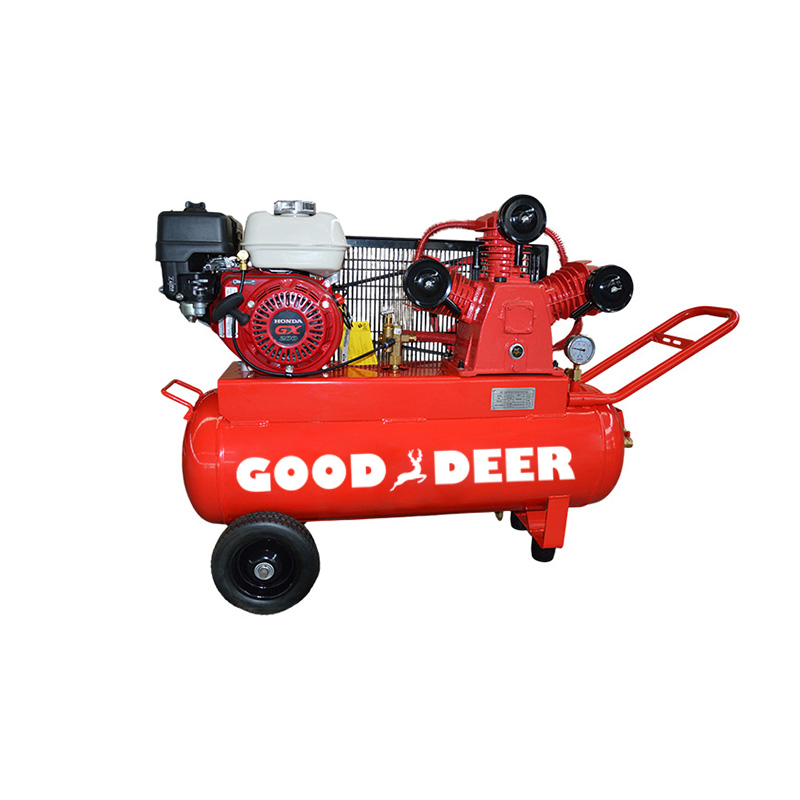
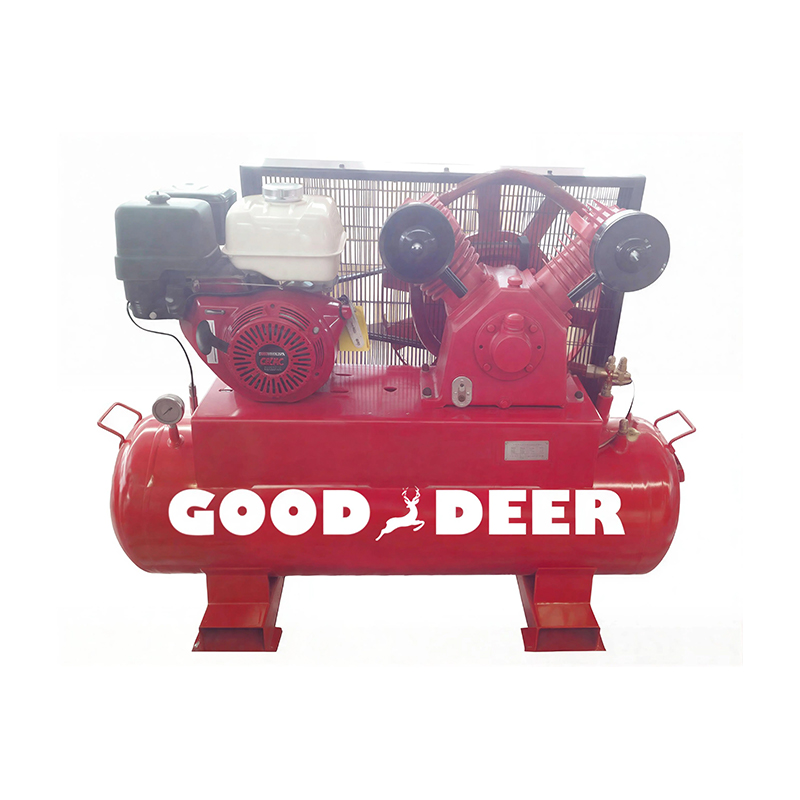
A piston air compressor works by using a piston to compress air within a cylinder. The piston moves back and forth inside the cylinder, drawing in air through an intake valve, compressing it, and then forcing it out through an outlet valve at high pressure. This air is then stored in a tank and can be used to power tools, machinery, and various other equipment on the factory floor.
Piston air compressors are typically classified into two categories:
- Single-stage compressors: These compressors use one piston to compress the air to the desired pressure level.
- Two-stage compressors: These compressors use two pistons to compress air in two stages, resulting in higher pressure levels, making them ideal for heavier industrial applications.
Improved Productivity and Continuous Operation
One of the key benefits of piston air compressors in manufacturing is their ability to enhance productivity through continuous operation. Unlike some other machines that require downtime for cooling or maintenance, piston air compressors are designed for long, uninterrupted operation.
Efficient Air Delivery
Piston air compressors are known for their ability to deliver a high volume of air quickly and efficiently. In manufacturing processes that require consistent air pressure—such as pneumatic tools, air-driven machinery, or automation systems—having a reliable source of compressed air can significantly boost productivity.
- Powering Pneumatic Tools: Tools such as drills, screwdrivers, wrenches, and grinders are commonly powered by compressed air. Piston air compressors are ideal for powering these tools because they can deliver the required air pressure consistently, ensuring that the production process doesn’t face delays due to air shortages.
- Automation and Robotics: Many manufacturing facilities now use air-powered robots and automated systems. Piston air compressors ensure that these systems receive the consistent air pressure they need to operate smoothly and effectively.
Uninterrupted Workflow
The ability of piston air compressors to run continuously without significant downtime ensures that manufacturing operations can proceed without interruptions. This is particularly important in industries where continuous production is critical, such as food processing or automotive manufacturing. By maintaining a constant supply of air, piston compressors contribute to a seamless workflow, reducing bottlenecks and improving overall efficiency.
Energy Efficiency and Cost Savings
Piston air compressors, when properly maintained, are highly energy-efficient. This is especially important in manufacturing, where energy costs can account for a significant portion of operational expenses. By investing in a high-quality, well-maintained piston air compressor, manufacturers can achieve significant cost savings.
Energy-Saving Features
Modern piston air compressors come equipped with energy-saving features that optimize performance without wasting power. Some advanced models include:
- Variable-speed drives (VSD): VSD allows the compressor to adjust its speed based on demand, reducing energy consumption when full capacity is not required.
- Efficient motors: High-efficiency motors in piston air compressors help minimize electricity consumption without sacrificing performance.
- On-demand operation: Many piston compressors are designed to operate only when compressed air is needed, preventing energy waste during idle times.
Lower Operational Costs
Because piston air compressors are energy-efficient and durable, they help reduce both energy costs and maintenance expenses. Lower operational costs mean more funds can be allocated to other areas of production, such as increasing material quality, upgrading equipment, or enhancing workforce training.
- Reduced Power Consumption: Energy savings lead to lower electricity bills, which can significantly affect long-term cost structures for manufacturing operations.
- Longer Lifespan: Properly maintained piston air compressors have a long lifespan, which translates to fewer replacement costs and less frequent need for costly repairs.
Versatility Across Various Manufacturing Applications
Piston air compressors are incredibly versatile and can be used in a variety of manufacturing sectors. This versatility makes them a popular choice for industries that require specific air pressure levels for different applications.
Automotive Industry
In automotive manufacturing, piston air compressors are used for a variety of purposes, from powering air tools to operating assembly line machinery. These compressors provide the high-pressure air necessary for assembling components like tires, engines, and body parts.
- Assembly Line Operations: Piston compressors provide the air needed to power tools used in assembly, reducing the time it takes to install parts and components.
- Paint Spraying: High-quality piston air compressors are also used in automotive paint shops to supply air to spray guns, ensuring a consistent, smooth finish.
Food and Beverage Processing
In food and beverage production, piston air compressors are often used for tasks such as packaging, air conveyance, and even in the production of carbonated beverages. The compressors are essential in ensuring a steady supply of air for packaging machines, filling equipment, and sealing systems.
- Packaging: Compressed air is crucial in packaging processes, especially for filling, capping, and sealing bottles or containers. Piston compressors ensure that these tasks are completed efficiently, reducing downtime.
- Cleanliness Standards: Piston air compressors provide clean, dry air for various processes, which is particularly important in the food and beverage industry to maintain hygiene standards.
Textiles and Manufacturing of Fabrics
In the textile industry, piston air compressors are used to power machinery such as looms, knitting machines, and fabric cutters. The high pressure and consistent airflow help keep production running smoothly without delays.
- Machinery Operation: Piston air compressors ensure that machinery operates at optimal speed, increasing throughput and reducing bottlenecks.
- Air Filtration: In textiles, compressors are used to supply air to filtration systems that remove dust and particles, helping maintain product quality and hygiene.
Maintenance and Longevity
To maintain high efficiency and performance, piston air compressors must be regularly maintained. Manufacturers who invest in high-quality compressors and establish regular maintenance schedules can ensure that their compressors operate smoothly for many years.
Easy Maintenance
Piston air compressors are relatively easy to maintain compared to other types of compressors, which means that manufacturers can easily keep their systems running at peak performance without needing specialized technicians. Routine maintenance tasks such as oil changes, air filter replacements, and valve checks help prevent issues before they become major problems.
- Simple Repairs: Most issues with piston compressors can be addressed quickly and affordably, minimizing downtime in production.
- Prolonged Service Life: Regular maintenance helps extend the lifespan of the compressor, making it a reliable long-term investment.
Preventing Unnecessary Downtime
Proper maintenance prevents unexpected breakdowns, ensuring that your manufacturing operations remain running smoothly. The more reliable the equipment, the less likely production will be halted, leading to a more efficient manufacturing process.