
 English
 русский
 Español
 عربى
عربى

Modern agriculture is increasingly driven by technology and innovation, with farmers seeking equipment that improves efficiency, reduces labor costs, and enhances crop quality. Among the most transformative tools in the agricultural machinery landscape is the Automatic Round Baler. This machine has revolutionized the way farmers handle hay, straw, and forage, making baling faster, safer, and more consistent.
As a leading manufacturer and supplier of piston air compressors, reciprocating air compressors, and agricultural machinery including Automatic Round Balers, we have observed how this equipment has changed the dynamics of hay and forage management.
Understanding the Automatic Round Baler
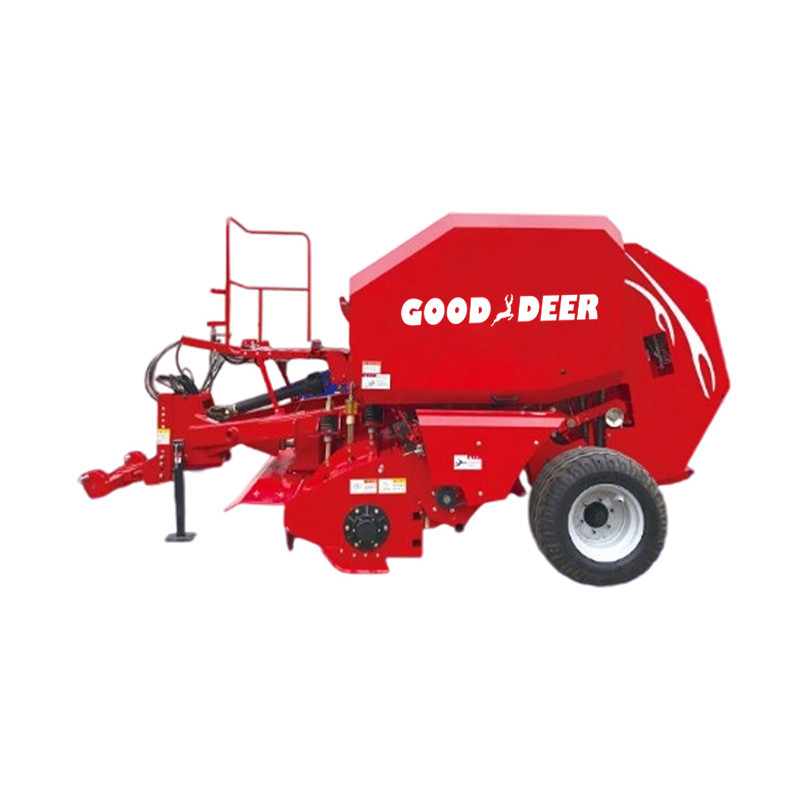
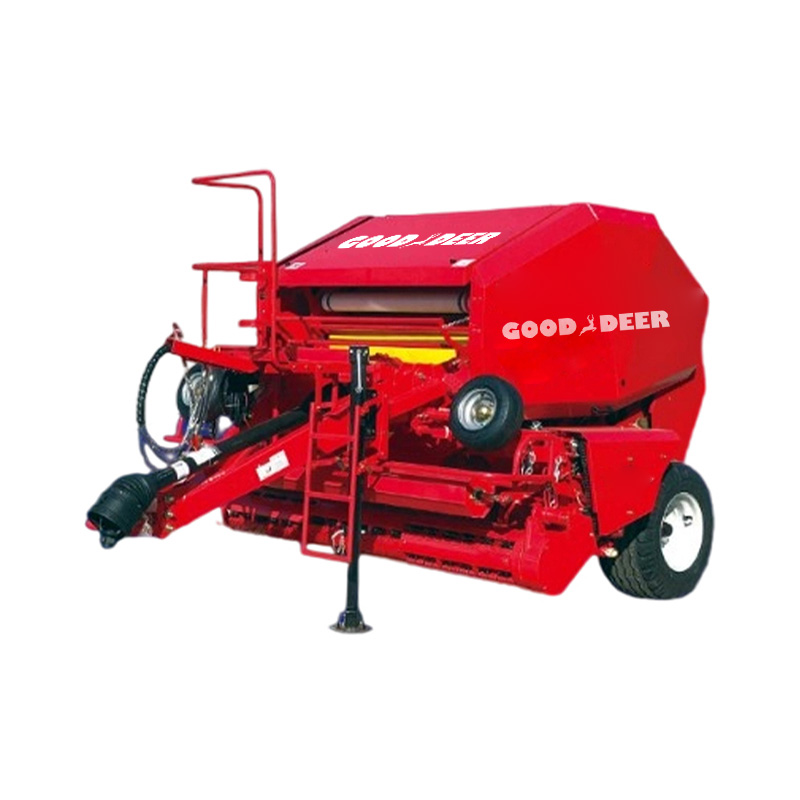
An Automatic Round Baler is a piece of agricultural machinery designed to collect cut crops such as hay, straw, or silage and form them into compact cylindrical bales. Unlike traditional balers, the automatic variant uses advanced sensors and mechanical systems to regulate bale formation, ensuring uniform density, tight wrapping, and minimal crop loss.
Key Components of an Automatic Round Baler:
-
Pickup Mechanism: Gathers the windrowed crop from the field and feeds it into the baler.
-
Bale Chamber: Compresses and rolls the crop into a uniform round bale.
-
Wrapping System: Automatically ties or wraps the bale with twine, netting, or film.
-
Control System: Monitors bale size, density, and rotation, automating the process.
-
Discharge Mechanism: Ejects the finished bale safely onto the field or transport system.
By automating critical steps in baling, the Automatic Round Baler allows farmers to cover more ground efficiently while maintaining high-quality bales.
How the Automatic Round Baler Enhances Productivity
Agricultural productivity depends not only on crop yield but also on the efficiency of post-harvest operations such as baling. The Automatic Round Baler significantly enhances productivity in several ways:
1. Reducing Labor Requirements
Traditional baling methods require significant manual input, including guiding the baler, tying bales, and monitoring bale density. Automatic systems handle these processes independently, allowing one operator to manage multiple machines or focus on other tasks. Reduced labor needs translate into lower operational costs and increased efficiency, particularly on large farms.
2. Consistent Bale Quality
Uniform bales are easier to transport, store, and feed. The Automatic Round Baler maintains consistent bale density and size using advanced sensors and adjustable settings, ensuring:
-
Minimal crop loss during collection
-
Reduced spoilage due to loose or uneven bales
-
Easier handling and stacking for storage
This consistency improves operational efficiency and enhances overall forage quality.
3. Faster Field Operations
Automatic round balers can operate at higher speeds compared to manual systems without sacrificing bale quality. Features such as automatic wrapping, density adjustment, and bale ejection reduce downtime, allowing farmers to complete baling operations more quickly. This is particularly advantageous during short harvest windows when timing is critical.
4. Minimizing Crop Loss
One of the major challenges in baling is crop loss due to inefficient collection or loose bales. The Automatic Round Baler minimizes losses by:
-
Using precision pickup mechanisms that gather all crop material from the windrow
-
Maintaining consistent compression to reduce gaps within the bale
-
Automatically wrapping bales to prevent material spillage during transport
By reducing crop loss, farmers maximize usable forage and improve economic returns.
Applications Across Farming Practices
The versatility of the Automatic Round Baler makes it suitable for a wide range of agricultural operations:
1. Dairy and Livestock Farms
High-quality hay is essential for feeding dairy cows, beef cattle, sheep, and other livestock. Automatic round balers ensure tightly compressed bales that preserve nutritional content and minimize spoilage, providing a consistent feed supply throughout the year.
2. Large-Scale Grain and Forage Farms
On large farms producing wheat straw, barley straw, or corn stover, automatic balers increase operational efficiency. Rapid, consistent baling allows farmers to harvest larger areas in less time, essential for maintaining crop quality and avoiding weather-related losses.
3. Silage Production
For farms producing silage, round balers equipped with film wrapping systems create airtight bales that ferment efficiently. Automatic bale wrapping ensures uniform sealing, reducing spoilage and preserving the feed value of the crop.
Technological Features Driving Efficiency
Modern Automatic Round Balers incorporate technology that significantly improves performance:
-
Electronic Bale Monitoring: Displays bale size, weight, and density in real-time.
-
Automatic Twine or Net Wrapping: Eliminates manual tying and ensures uniform coverage.
-
Hydraulic Bale Ejection: Safely and efficiently deposits completed bales onto the field.
-
Variable Bale Density Settings: Adjust compression to suit different crop types and conditions.
-
Durable Components: Bearings, rollers, and belts are designed for long-term reliability in rough field conditions.
These technological advancements make the Automatic Round Baler a precision farming tool that optimizes both productivity and crop quality.
Maintenance and Longevity
Like all agricultural machinery, proper maintenance is essential for reliable performance of an Automatic Round Baler:
1. Regular Inspection
-
Check belts, chains, and rollers for wear or damage
-
Inspect pickup teeth for bending or breakage
-
Monitor hydraulic systems for leaks or pressure drops
2. Lubrication
-
Regularly grease bearings, chains, and moving parts to prevent wear
-
Use manufacturer-recommended lubricants for optimal performance
3. Bale Chamber Cleaning
-
Remove crop residue from rollers and chamber surfaces to avoid clogging
-
Inspect wrapping mechanisms to ensure consistent bale sealing
4. Seasonal Storage
-
Store the baler in a dry, sheltered location during off-season
-
Protect electronic components from moisture and dust
Consistent maintenance extends the operational life of the baler, reduces repair costs, and ensures peak performance during harvest.
Economic and Environmental Benefits
Investing in an Automatic Round Baler offers multiple economic and environmental advantages:
-
Labor Cost Reduction: Less manual labor is needed for bale production.
-
Increased Efficiency: Faster baling reduces harvest time and improves crop utilization.
-
Reduced Crop Waste: Precision mechanisms minimize losses and preserve quality.
-
Sustainable Farming: Efficient use of forage and straw reduces unnecessary waste and supports environmentally responsible practices.
Over time, these benefits contribute to higher profitability and sustainable agricultural operations.
Choosing the Right Automatic Round Baler
Selecting the best Automatic Round Baler depends on farm size, crop type, and operational requirements:
-
Bale Size and Weight: Choose a baler capable of producing bales suitable for your storage and handling systems.
-
Crop Type Compatibility: Ensure the baler handles hay, straw, or silage effectively.
-
Wrapping Options: Twine, net, or film wrapping depending on storage and silage needs.
-
Technology Features: Consider electronic monitoring, automatic density control, and hydraulic bale ejection.
-
Durability and Warranty: Look for machines built for rugged farm conditions with reliable manufacturer support.
A well-chosen baler maximizes efficiency, reduces downtime, and enhances overall farm productivity.
Real-World Impact
Farmers using Automatic Round Balers report significant improvements in operational efficiency and crop management:
-
Reduced labor requirements by 30-50%
-
Faster baling operations with consistent bale quality
-
Minimized crop loss and waste
-
Improved feed quality for livestock through uniform, tightly wrapped bales
These benefits demonstrate that the Automatic Round Baler is not just a convenience—it is a productivity-enhancing tool that transforms modern farming practices.