
 English
 русский
 Español
 عربى
عربى

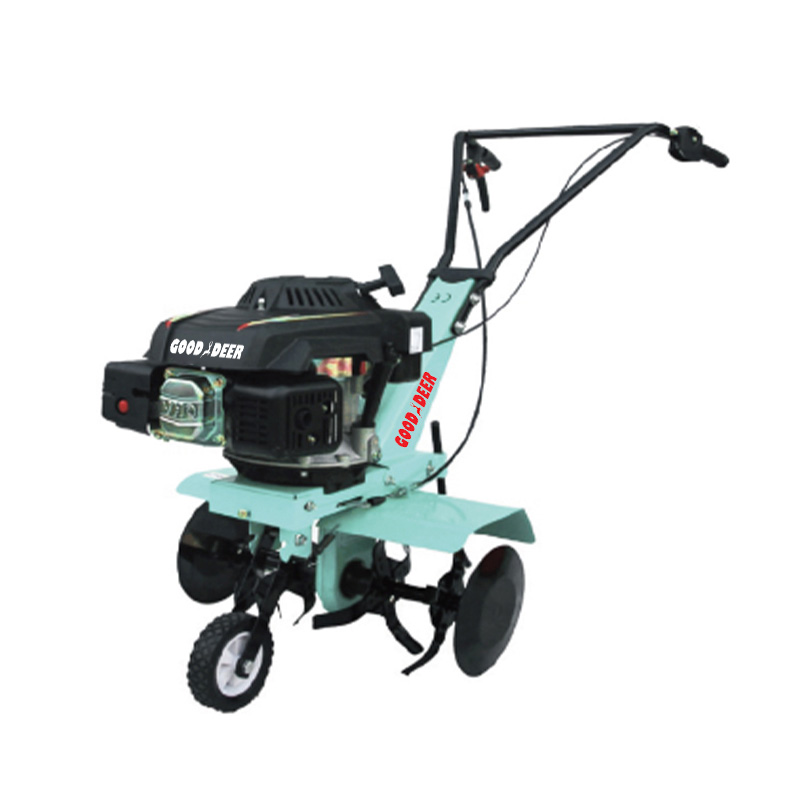
The best alternatives to a tiller include a garden fork, broadfork, hoe, spade, raised bed with no-dig methods, and — for small plots needing mechanical help — a small rotary tiller or electric cultivator. The right substitute depends on your soil condition, garden size, physical ability, and whether you want to avoid soil disruption entirely. For beds under 200 square feet, hand tools or a compact electric cultivator can match or outperform a full-sized tiller. For larger areas with compacted soil, a small rotary tiller is often the most practical powered alternative to a walk-behind tiller.
Why You Might Want a Tiller Alternative in the First Place
Traditional gas-powered tillers are heavy (often 60–200 lbs), expensive ($300–$1,500 to purchase), loud, and require fuel and maintenance. They also disrupt soil structure, destroy earthworm populations, and can bring dormant weed seeds to the surface — a process that increases weed pressure for the entire growing season. Research from the Rodale Institute has shown that repeated tilling can reduce soil organic matter by up to 30% over 10 years by accelerating microbial breakdown of carbon.
Beyond soil health concerns, many gardeners simply need a solution for small spaces, container gardens, raised beds, or situations where a full-sized tiller cannot physically fit. Understanding your actual goal — breaking new ground, loosening existing beds, incorporating compost, or controlling weeds — determines which alternative works best.
Hand Tool Alternatives That Replace a Tiller Effectively
For most home gardens under 500 square feet, a combination of well-chosen hand tools does everything a tiller does — without fuel costs, noise, or soil damage. These tools require more physical effort but give you precise control over how deeply and aggressively you work the soil.
Garden Fork (Digging Fork)
A digging fork is the most direct hand-tool replacement for a tiller. Its four wide tines penetrate compacted soil to a depth of 10–12 inches — deeper than most electric cultivators reach. Push it straight down, lean back on the handle to break up the soil block, and repeat across the bed. A standard pass with a garden fork followed by a second pass at a 90° angle loosens a 100 square foot bed in approximately 20–30 minutes for an averagely fit adult. Garden forks work especially well for breaking sod, loosening clay, and incorporating amendments without destroying soil structure as completely as rotary tines do.
Broadfork (U-Fork / Grelinette)
A broadfork features two long handles connected by a crossbar fitted with 5–7 tines spaced 3–4 inches apart, allowing you to loosen a 14–18 inch wide strip of soil with each press. Unlike a standard fork, you drive it in with your body weight and rock it back without turning the soil — this preserves soil layers, keeps beneficial fungi networks intact, and aerates to depths of 12–18 inches. Broadforks cost $80–$200 but are essentially indestructible and the preferred tool of no-dig and biointensive gardening systems. One operator can prepare a 1,000 square foot bed in roughly 2 hours with good technique.
Spade and Spading Techniques
A flat spade is ideal for cutting through sod, edging, and initial ground-breaking on new beds. The technique of double digging — removing the top 12 inches of soil, loosening the subsoil below, then replacing the topsoil — creates the same deep soil preparation a tiller provides, while improving drainage far more effectively. Double digging is labor-intensive but only needs to be done once if beds are maintained with no-dig methods afterward.
Hoe Varieties for Soil Cultivation
Standard hoes are insufficient for deep tilling, but specialized hoes handle specific tasks effectively:
- Collinear hoe: Thin, flat blade used parallel to soil surface for shallow weeding between rows without disturbing deep soil
- Warren hoe: Pointed, heart-shaped blade for making furrows and cultivating between plants in narrow rows
- Stirrup / hula hoe: Oscillating blade cuts weeds on both push and pull strokes; excellent for maintaining loose, previously tilled soil
- Wheel hoe: A manual wheeled cultivator that handles beds up to 24 inches wide with interchangeable blades; covers ground 3–4× faster than a standard hand hoe
Small Rotary Tiller: The Best Powered Alternative for Compact Spaces
When hand tools aren't sufficient — due to soil hardness, garden size, or physical limitations — a small rotary tiller (also called a mini tiller or cultivator) is the most practical powered alternative to a full-sized walk-behind tiller. These compact machines weigh 20–35 lbs, cost between $100 and $400, and handle garden beds from 50 to 2,000 square feet efficiently.
Electric vs Gas Small Rotary Tillers
Small rotary tillers are available in corded electric, battery-powered, and gas variants. Each suits different use cases:
| Type | Weight | Tilling Width | Tilling Depth | Best For | Approx. Cost |
|---|---|---|---|---|---|
| Corded Electric | 12–20 lbs | 6–11 inches | 4–8 inches | Raised beds, small plots near outlet | $80–$180 |
| Battery (40V–80V) | 15–28 lbs | 8–12 inches | 5–9 inches | Medium gardens, cord-free operation | $150–$350 |
| Gas (25cc–43cc) | 20–35 lbs | 9–16 inches | 6–10 inches | Harder soils, larger areas, no cord access | $200–$400 |
What a Small Rotary Tiller Can and Cannot Do
Small rotary tillers excel at cultivating soil that has been previously worked, incorporating compost into established beds, and maintaining garden beds between seasons. However, they struggle with:
- Breaking raw sod or heavily compacted virgin ground — most mini tillers bog down in untouched lawn; pre-loosen with a fork first
- Clay-heavy soils with significant moisture — wet clay wraps around tines and jams the mechanism
- Beds filled with large rocks or thick root systems from established weeds like bindweed
- Very large areas above 5,000 square feet where a full-sized rear-tine tiller remains more appropriate
The No-Dig Method: Avoiding Tillage Altogether
The no-dig or no-till gardening method eliminates the need for any tiller — small or large — by building soil from the top down rather than turning it. Pioneered by market gardener Charles Dowding, no-dig systems apply a 2–4 inch layer of mature compost directly onto existing ground (including grass and weeds) at the start of each season. Plants are sown or transplanted directly into the compost surface.
In Dowding's long-running trials at Homeacres Farm in Somerset, UK, no-dig plots produced yields equal to or higher than dug plots in every year of the trial, while requiring significantly less labor. The undisturbed soil develops superior structure over time as earthworm populations grow — a healthy no-dig garden can support up to 500 earthworms per cubic meter, each tunneling natural drainage and aeration pathways that no machine can replicate.
How to Start a No-Dig Bed Without a Tiller
- Mow or cut down existing vegetation as short as possible
- Lay cardboard (overlapped by at least 6 inches at seams, staples and tape removed) directly over the area to smother weeds and grass
- Wet the cardboard thoroughly — this speeds decomposition and stops it from blowing away
- Apply a 4–6 inch layer of compost, aged wood chips, or a mix of both directly on top of the cardboard
- Plant transplants immediately by pushing through the compost layer; direct sow seeds into a thin layer of fine compost on top
- Add 1–2 inches of fresh compost each subsequent season — no further soil disruption needed
This method works in any climate and any existing soil type. In heavy clay or compacted subsoil, no-dig consistently outperforms tilling over a 3–5 year period as soil biology rebuilds naturally.
Raised Beds as a Permanent Tiller-Free Solution
Raised beds eliminate the need for a tiller permanently by creating a contained growing environment above the existing ground level. Fill a raised bed with a custom growing mix — typically 60% topsoil, 30% compost, and 10% perlite or coarse sand — and the soil never becomes compacted enough to require mechanical tillage, because you never walk on it.
The standard raised bed width of 3–4 feet allows gardeners to reach all areas from the sides without stepping in. Beds are refreshed annually by adding 1–2 inches of compost to the surface and working it in with a hand fork or small cultivator. A 4×8 foot raised bed costs approximately $50–$200 in materials (depending on framing choice) and provides a lifetime of tiller-free growing.
Raised Bed Material Options
- Cedar or redwood lumber: Naturally rot-resistant; typical lifespan of 10–20 years; most popular choice
- Galvanized corrugated steel: Extremely durable (25+ year lifespan), modern appearance, heats soil faster in spring
- Recycled composite lumber: Made from wood fiber and plastic; resists rot and insects; no splinters
- Concrete blocks or bricks: Permanent, inexpensive, excellent thermal mass for extending the growing season
- Fabric grow bags: Portable, affordable ($10–$30 each), breathable walls prevent root circling and waterlogging
Electric Cultivators vs Small Rotary Tillers: Which Should You Choose
The terms "cultivator" and "small rotary tiller" are often used interchangeably but describe slightly different tools. Understanding the distinction prevents buying the wrong machine.
| Feature | Electric Cultivator | Small Rotary Tiller (Gas or Battery) |
|---|---|---|
| Tilling depth | 3–5 inches | 6–10 inches |
| Tilling width | 5–8 inches | 9–18 inches |
| Soil hardness tolerance | Loose to moderately compacted only | Moderately to heavily compacted |
| Weight | 8–15 lbs | 20–35 lbs |
| Noise level | 60–70 dB (quiet) | 85–95 dB (loud; hearing protection advised) |
| Maintenance | Minimal (clean tines, charge battery) | Oil changes, spark plug, air filter |
| Best application | Raised beds, container soil, annual weeding | Garden rows, new ground prep, larger plots |
| Price range | $40–$150 | $150–$400 |
For most home gardeners with established beds, an electric cultivator is sufficient and far easier to handle. Upgrade to a small rotary tiller only if you regularly break new ground, deal with compacted soil, or work plots larger than 1,000 square feet.
Choosing the Right Alternative Based on Your Situation
The best tiller alternative depends on a specific combination of factors. Use this decision framework to identify your best match:
By Garden Size
- Under 100 sq ft: Hand fork, broadfork, or electric cultivator; no powered tiller needed
- 100–500 sq ft: Broadfork or wheel hoe for hand approach; corded or battery cultivator for powered option
- 500–2,000 sq ft: Small rotary tiller (battery or gas) or wheel hoe with cultivator attachments
- Over 2,000 sq ft: A full-sized walk-behind tiller, tractor cultivator, or serious no-dig investment becomes more cost-effective
By Soil Condition
- Loose, previously amended soil: Any hand tool or electric cultivator handles this; no heavy machinery needed
- Moderately compacted (footprint sinks 1–2 inches): Broadfork, garden fork, or battery-powered small rotary tiller
- Heavily compacted clay (footprint barely marks surface): Gas small rotary tiller after pre-moistening, or professional soil amendment before any tool can work effectively
- Rocky or root-filled soil: Hand fork picks around obstacles better than any rotary machine; remove large rocks before using powered tools
By Physical Ability
- Limited strength or mobility: A lightweight electric cultivator (8–12 lbs) or the no-dig method with raised beds minimizes physical effort dramatically
- Back problems: Long-handled broadforks and wheel hoes reduce bending; avoid kneeling tools entirely
- Fit and able-bodied: Any hand tool works well; the broadfork provides the best workout-to-result ratio at roughly 200–300 calories per hour of use
Cost Comparison: Tiller vs Every Alternative
Understanding the full cost picture — including purchase, maintenance, and time — helps make a genuinely informed decision rather than defaulting to the most familiar option.
| Alternative | Purchase Cost | Annual Maintenance | Expected Lifespan |
|---|---|---|---|
| Garden fork (quality) | $35–$80 | Negligible | 20–40 years |
| Broadfork | $80–$200 | Negligible | Lifetime |
| Wheel hoe | $100–$250 | $5–$15 (blade sharpening) | 15–30 years |
| Electric cultivator (corded) | $80–$150 | Negligible | 5–10 years |
| Small rotary tiller (battery) | $150–$350 | $10–$30 (tine replacement) | 5–8 years |
| Small rotary tiller (gas) | $200–$400 | $30–$70 (oil, plug, fuel) | 8–15 years |
| No-dig setup (cardboard + compost) | $0–$50 (cardboard free) | $20–$60/yr (compost) | Indefinite |
| Full-sized gas tiller (comparison) | $300–$1,500 | $50–$150/yr | 10–20 years |
For the majority of home gardeners, a broadfork or quality garden fork combined with a no-dig bed management system delivers the lowest lifetime cost with the best long-term soil health outcomes — often for under $150 in total investment.