
 English
 русский
 Español
 عربى
عربى

Quick Answer: What Does an Air Compressor Do?
An air compressor converts electrical or engine power into pressurized air energy by pulling in air at atmospheric pressure and squeezing it into a smaller volume, storing it in a tank for later use. That compressed air is then released through a hose or fitting to power tools, inflate tires, spray paint, or run industrial equipment. Piston (reciprocating) compressors use pistons moving inside cylinders to compress air in bursts, while screw compressors use two interlocking rotors to compress air in a continuous flow.
The right type depends mostly on how long and how heavily the compressor will run — piston models suit occasional, lighter jobs, while screw models are built for continuous, industrial-grade use. The sections below break down how each works and how to choose between them.
How an Air Compressor Works
All air compressors follow the same basic principle: draw in air, reduce its volume to increase pressure, and store or deliver that pressurized air on demand. The compressed air holds potential energy that gets released as force when a tool or nozzle is triggered — this is what powers nail guns, impact wrenches, sandblasters, and HVAC systems.
Key Components
- Motor or engine: supplies the power to run the compression mechanism.
- Compression element: pistons or rotating screws that physically compress the air.
- Storage tank: holds compressed air so it's available instantly without waiting for the motor to run.
- Pressure switch and regulator: control when the motor cycles on/off and how much pressure is released.
How a Piston Air Compressor Works
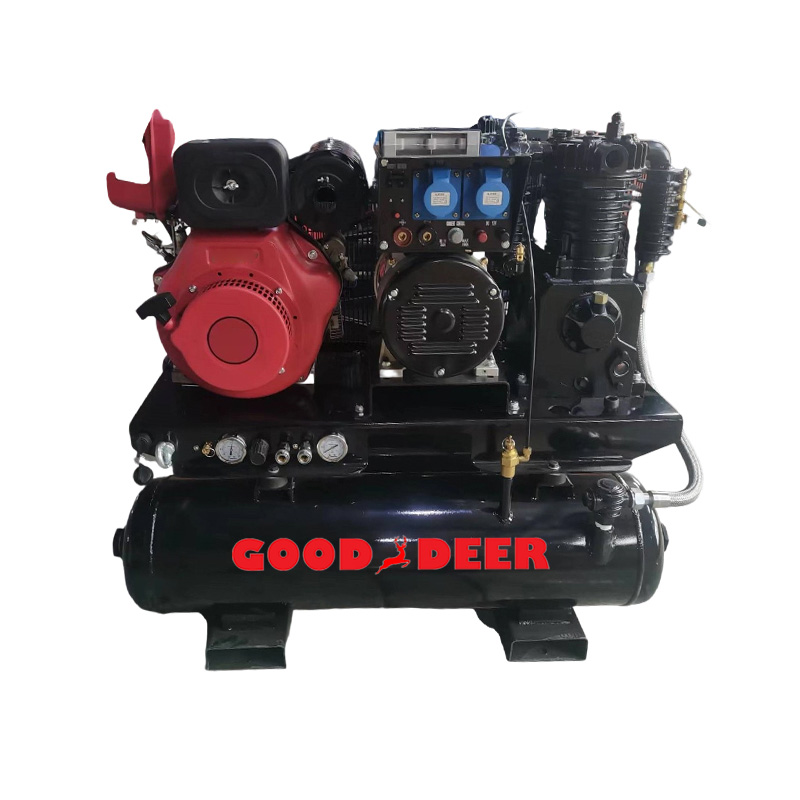
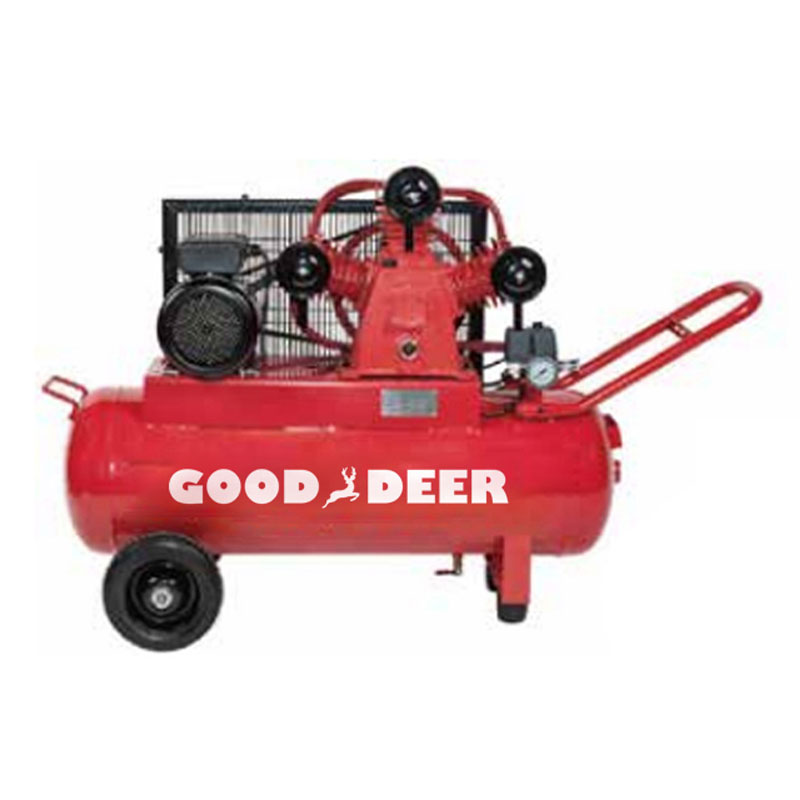
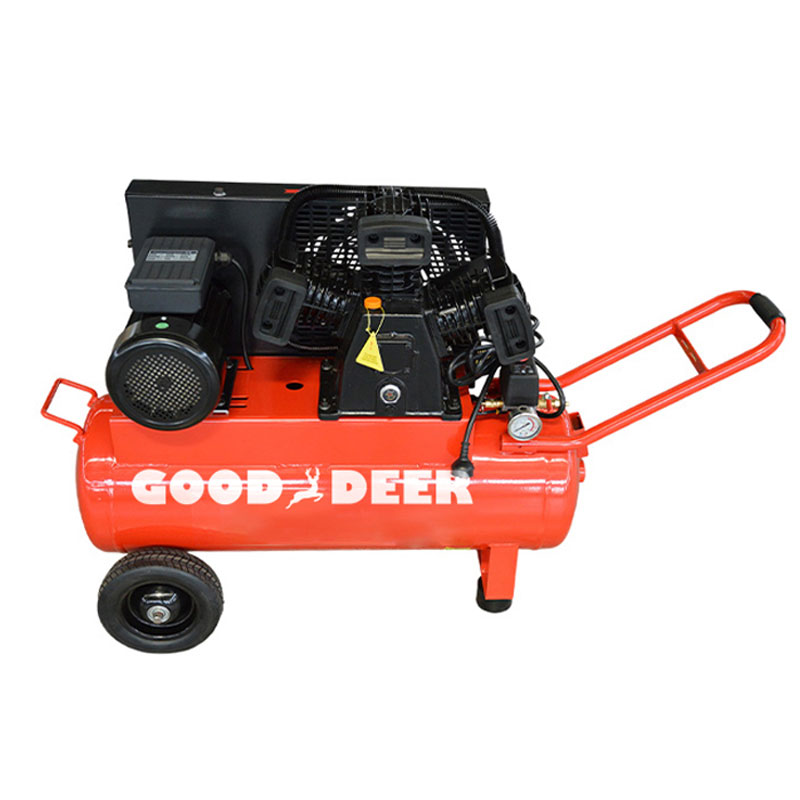
A piston air compressor uses one or more pistons driven by a crankshaft, moving up and down inside a cylinder — the same basic mechanism as a car engine, but in reverse. On the downstroke, the piston pulls air into the cylinder through an intake valve; on the upstroke, it compresses that air and pushes it out through an exhaust valve into the tank.
This design delivers air in pulses rather than a continuous stream, which is why piston compressors tend to be louder and vibrate more than screw models. They're typically available as single-stage units (for pressures up to around 150 PSI) or two-stage units (for pressures up to 175–200 PSI), making them common in garages, small workshops, and home DIY use.
How a Screw Air Compressor Works
A screw air compressor uses two helical rotors — one male, one female — that mesh together and rotate in opposite directions. As they turn, air gets trapped in the space between the rotors and is squeezed continuously as it moves along the screw, exiting at the end under pressure.
Because compression happens in a continuous, smooth flow rather than pulses, screw compressors run quieter and with less vibration than piston models of similar output. They're built to run for long, uninterrupted duty cycles — often 24/7 in industrial settings — which is why they're the standard choice for manufacturing plants, auto body shops, and large-scale pneumatic tool operations.
Piston vs Screw Air Compressor: Key Differences
The two designs diverge most in duty cycle, noise level, maintenance needs, and upfront cost — factors that usually decide which one fits a given job.
| Feature | Piston Compressor | Screw Compressor |
|---|---|---|
| Duty cycle | Intermittent (50–70%) | Continuous (up to 100%) |
| Noise level | 70–90 dB | 65–75 dB |
| Typical upfront cost | Lower | Higher |
| Maintenance frequency | More frequent | Less frequent |
| Best suited for | Home, garage, small shop | Industrial, continuous production |
Common Uses for Each Type
Matching the compressor type to the job prevents both wasted money and premature equipment failure.
Piston Compressor Use Cases
- Inflating tires and sports equipment
- Powering nail guns and staplers for home projects
- Light spray painting or airbrushing
- Occasional garage or workshop tool use
Screw Compressor Use Cases
- Running pneumatic assembly lines
- Powering multiple simultaneous air tools in auto shops
- Supplying air for CNC machining and manufacturing
- Large-scale sandblasting or continuous spray finishing
How to Choose Between a Piston and Screw Compressor
Start by estimating how many hours per day the compressor will actually run. If it's under 2–3 hours a day of intermittent use, a piston compressor is usually more cost-effective and easier to maintain. If the compressor needs to run most of the workday or continuously, a screw compressor's higher upfront cost pays off through lower long-term wear, less downtime, and reduced energy waste from constant cycling.
- Calculate your required CFM (cubic feet per minute) based on the tools you'll run simultaneously.
- Estimate daily runtime hours to determine duty cycle needs.
- Factor in noise restrictions if working near living or office spaces.
- Compare long-term maintenance costs, not just the purchase price.