
 English
 русский
 Español
 عربى
عربى

A maintenance shop in the Midwest may use a 10-horsepower piston compressor for less than thirty minutes an hour, while a medical device lab across town runs an oil-free scroll compressor continuously at 8 bar. Both are air compressors, but they solve different workloads. When people search for scroll vs piston compressor, they usually want one answer, yet the correct one is conditional: the piston compressor wins for high-pressure, intermittent, remote, and budget-driven jobs; the scroll wins for continuous, quiet, oil-sensitive duty. Understanding that distinction before comparing price tags prevents a costly mismatch.
What Moves the Air: Scroll Design vs Piston Design
Scroll Compressor Basics
A scroll compressor uses two interleaved spiral scrolls. One scroll stays fixed while the other orbits around it, pushing gas into smaller and smaller pockets until the compressed gas exits through the center. The motion is smooth and continuous, so there are no valve plates hammering open and closed and no reciprocating piston to shake the frame.
Piston Compressor Basics
A piston compressor relies on a crankshaft, connecting rod, and piston moving up and down inside a cylinder. Each revolution draws air into the cylinder, compresses it, and forces it through a discharge valve. The design is mature, easy to visualize, and easy to service. Single-stage models compress air directly from atmospheric pressure to tank pressure; two-stage models compress once, cool the air, then compress it again to reach higher pressures.
Scroll Compressor Strengths and Limits
The strongest case for a scroll compressor is a continuous, low-noise, oil-free process. Many scroll models hold a 100% duty cycle at moderate pressure, which suits laboratories, medical air systems, electronics manufacturing, and instrument air in facilities that cannot tolerate oil carryover or loud machinery.
Scroll compressors are usually quieter than piston compressors. A typical scroll unit may run at 55 to 70 dB(A), while a piston unit of similar capacity often runs from 70 to 90 dB(A). The lack of reciprocating parts also reduces vibration, which simplifies installation in a room adjacent to the workspace.
The limits are real, though. Standard scroll air compressors typically top out around 10 bar, so they do not replace piston units in higher-pressure jobs. The initial price is higher, and when a scroll set eventually wears, replacement can require a specialized repair service. Routine maintenance may be light, but the repair risk can be significant.
Piston Compressor Strengths and Limits
The piston design earns its reputation in three places: high pressure, serviceability, and drive flexibility. If a process needs 15 bar or more, a two-stage piston unit is often the only practical type in this comparison. That matters for pressure testing, pipe cleaning, and some industrial machinery.
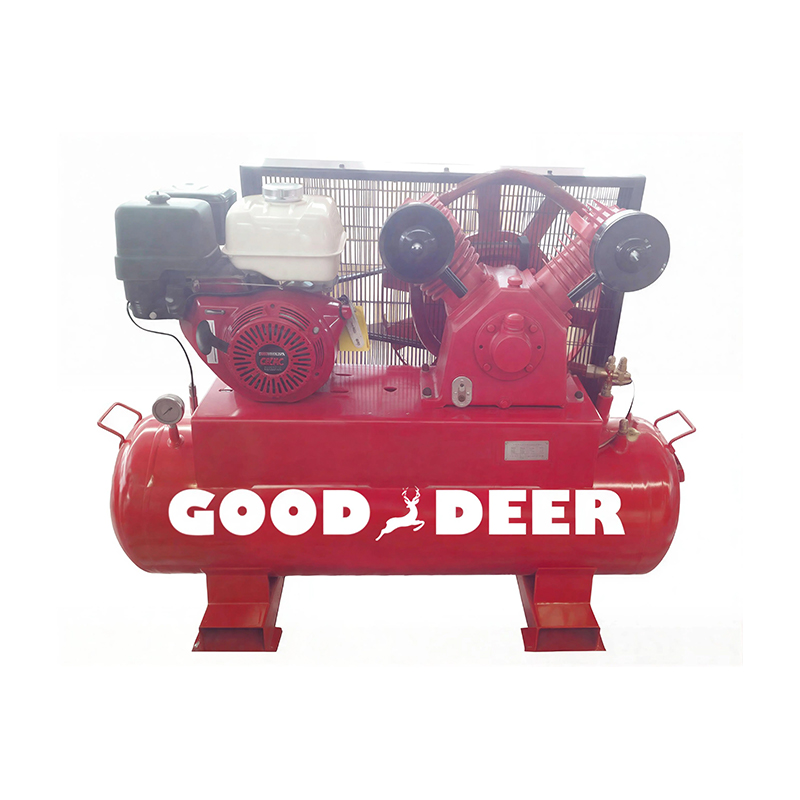
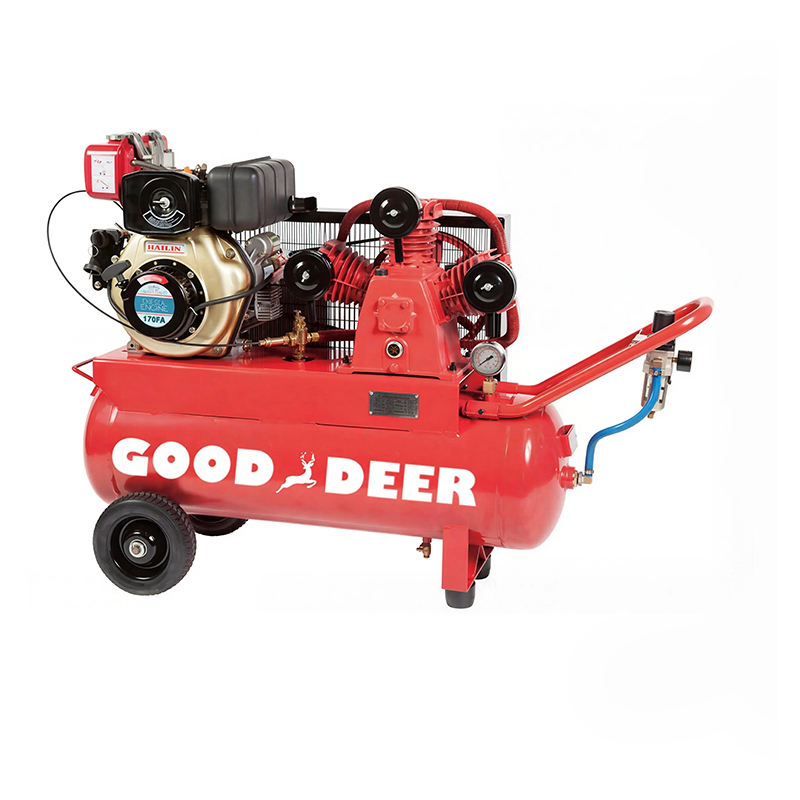
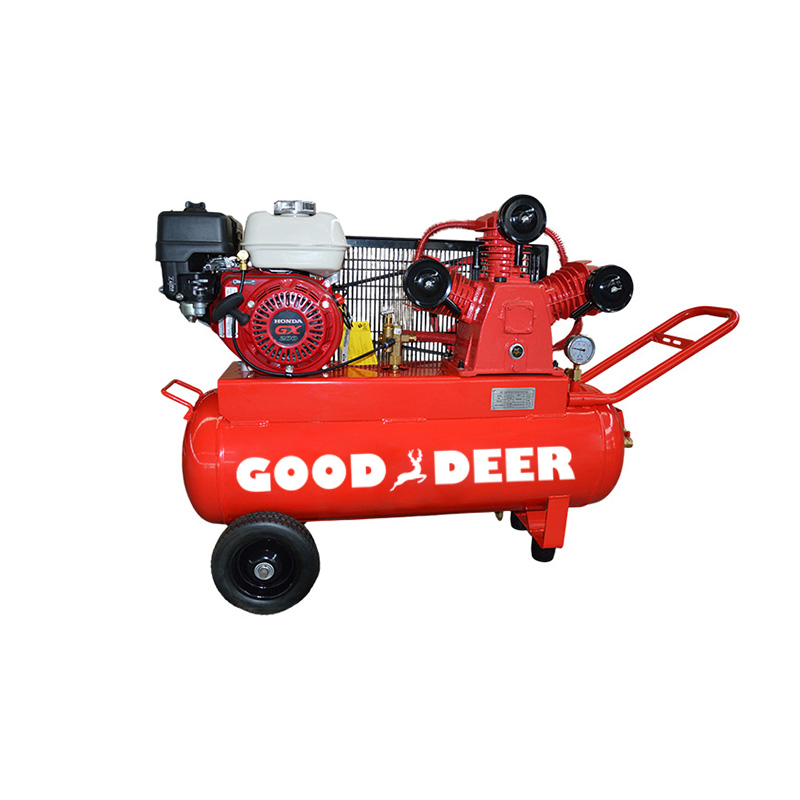
Drive flexibility also makes piston compressors the default for field work. An electric motor suits a fixed workshop, while a portable diesel piston air compressor handles construction, mining, and agricultural sites without a reliable grid. The same basic pump architecture appears in portable, stationary, gasoline, and diesel versions because it adapts to widely different working conditions.
Maintenance is straightforward, too. Pistons, rings, valves, and filters are common parts that a trained mechanic can replace on-site. The article on how piston air compressors improve efficiency in manufacturing shows why this serviceability keeps older units running for years.
The downsides are noise, vibration, and duty cycle. A piston compressor has more moving parts and more pulsation in the air stream, so it usually needs a tank, a check valve, and more attention to oil and filter changes. For continuous, round-the-clock demand, a piston unit may need to be oversized to avoid overheating. That oversizing can erase part of the purchase-price advantage.
Scroll vs Piston Compressor at a Glance
Before comparing prices, examine the operating envelope. The table below is based on typical industrial models rather than a single catalog rating.
| Characteristic | Scroll Compressor | Piston Compressor |
|---|---|---|
| Typical pressure range | 7 to 10 bar standard | 8 to 12 bar single-stage; 15 to 30 bar two-stage or multi-stage |
| Continuous duty | Many models rated for continuous operation | Intermittent duty common; industrial models handle continuous use when sized correctly |
| Noise | 55 to 70 dB(A) typical | 70 to 90+ dB(A) typical |
| Oil carryover | Oil-free options widely available | Oil-lubricated standard; oil-free versions exist |
| Maintenance | Less routine work; scroll set replacement can be expensive | Regular oil, filter, valve, and ring service; parts are common and less costly |
| First cost | Higher | Generally lower |
| Repair skill required | Specialized service often required | Many workshops can service the pump in-house |
How to Choose Between Scroll and Piston Compressors
Start with pressure. If your equipment needs more than 10 bar, the scroll compressor probably drops out of consideration. In that case, a two-stage piston model is the direct answer. If the job only needs 7 to 8 bar, then duty cycle and noise become the deciding factors.
Next, evaluate runtime. A piston compressor that runs for a few minutes per cycle can recover and cool down. A scroll compressor is easier to justify when the air demand is steady throughout a shift. For a workshop with occasional impact-wrench use and painting, a piston unit usually costs less and does the same job. For an instrument-air system that runs continuously, the scroll's quieter operation and lower routine maintenance can make the higher upfront cost worthwhile.
Air quality matters in medical, food, and electronics work. Oil-free scroll compressors are common in those settings. Oil-free piston models also exist, but they are a smaller part of the market. If your process cannot tolerate oil aerosol, verify the compressor class and any downstream filters before choosing either technology.
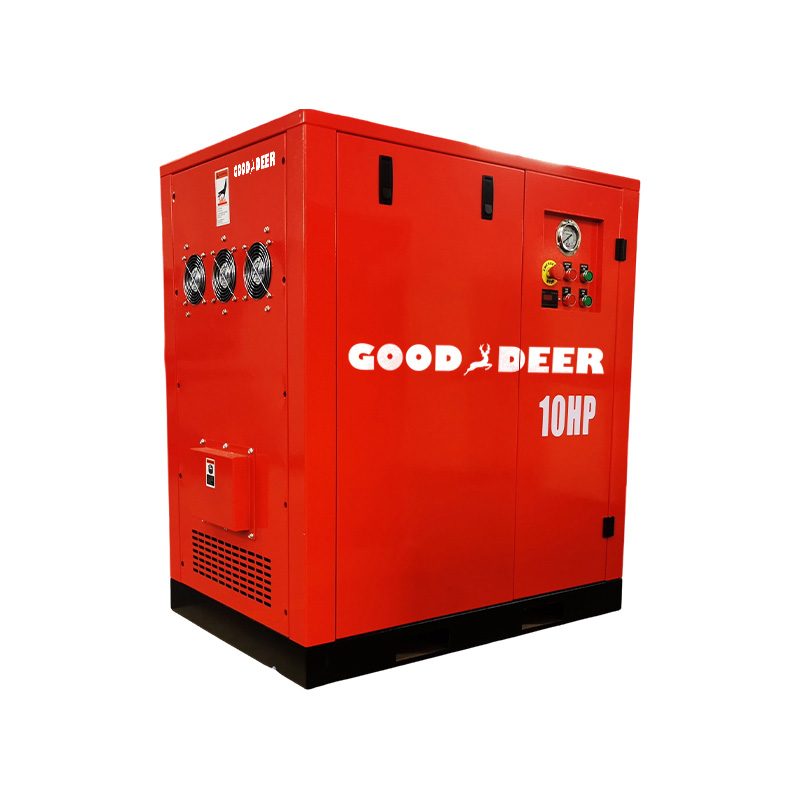
Noise is often the final hurdle in an indoor installation. An operator working beside the compressor will notice the difference between a loud piston pump and a smooth scroll. If you prefer the piston price structure but still need a quieter machine, consider a cabinet-style ultraquiet piston air compressor instead of assuming the scroll is the only quiet option.
Use a simple decision sequence, not a brand preference, to choose:
- List the maximum pressure your tools or process require.
- Estimate the average hours per day and percentage of time the compressor actually runs.
- Identify whether oil carryover is acceptable or whether oil-free air and extra filtration are needed.
- Measure the noise limit at the proposed installation location.
- Compare total cost over five years: purchase, energy, maintenance, downtime, and repair risk.
- Confirm whether electricity is available, or whether a gasoline or diesel drive is required.
For factory installs, the general machinery applications section outlines the supply pressures and flow ranges commonly specified, which can help you translate your production demand into a compressor size.
Practical Recommendation
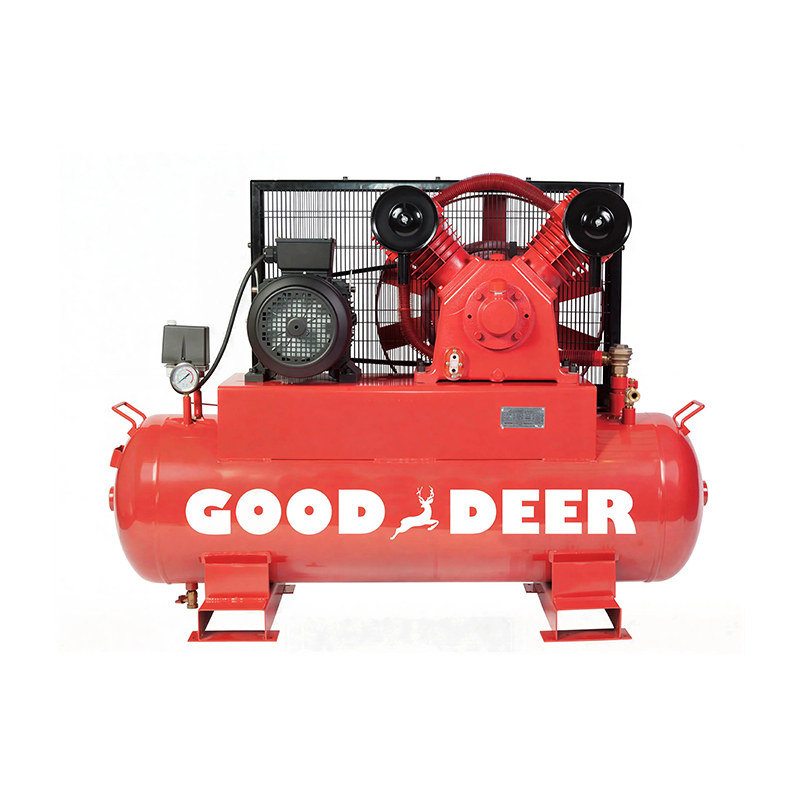
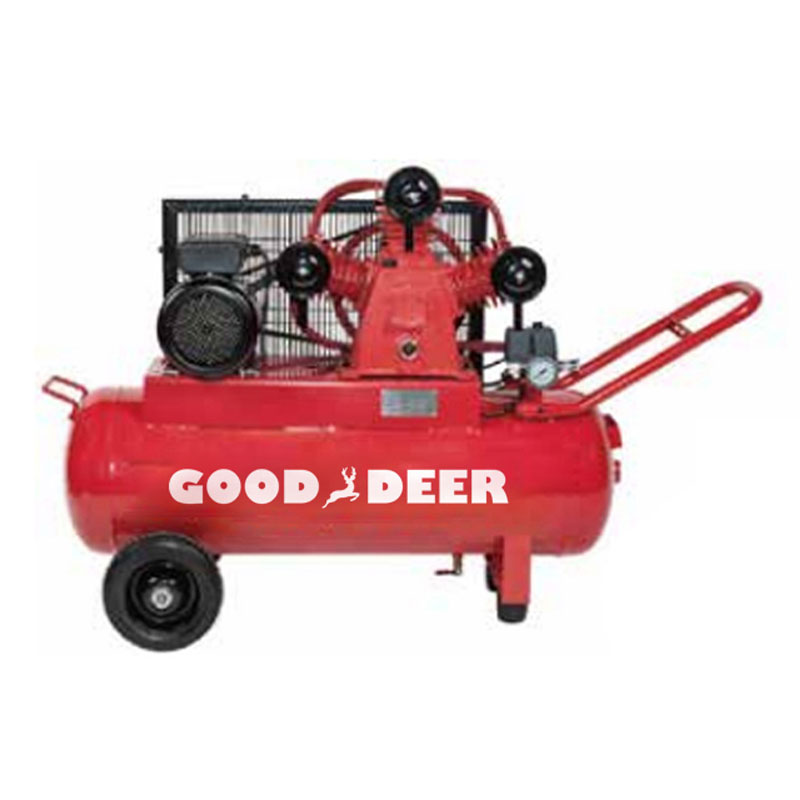
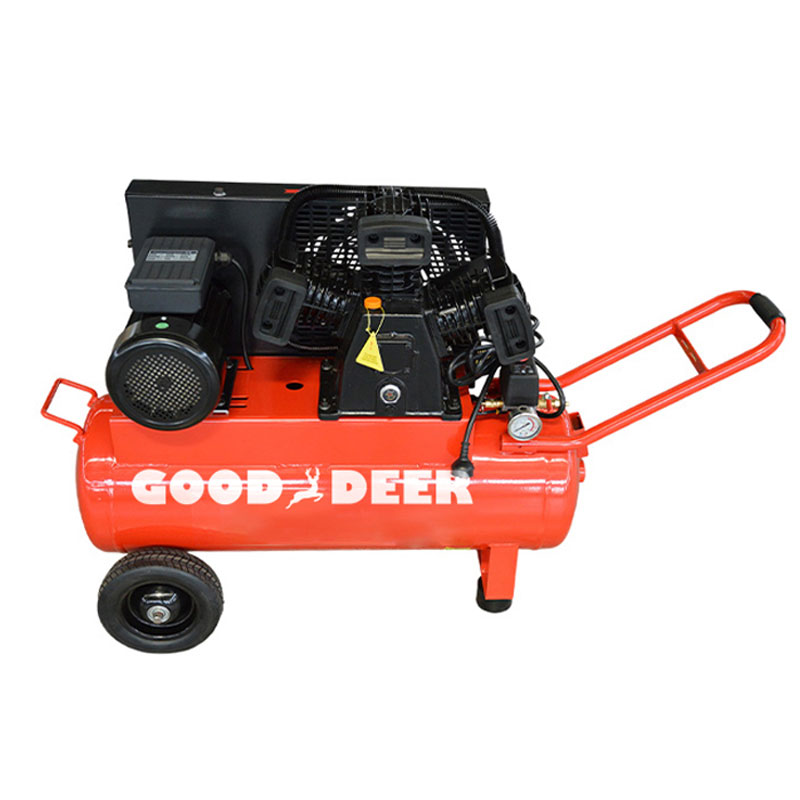
If the comparison points toward piston technology, choose the drive system around the work site, not the reverse. For a workshop with stable single- or three-phase power, electric-motor-driven piston air compressors keep the purchase price low and simplify maintenance. For a site with no grid connection, a diesel-driven piston unit is the better field companion because it does not depend on generator capacity.
Scroll technology is not a bad investment; it is just a narrower fit. It earns its premium in continuous, quiet, oil-free service with no high-pressure requirement. But if your work is intermittent, pressure-hungry, remote, or repair-sensitive, the piston compressor remains the most practical choice.
The real competition is not scroll vs piston compressor as abstract technologies; it is the match between the compressor's operating envelope and the job's actual demand. Scroll units win when quiet, clean, continuous air matters. Piston units win when you need higher pressure, rugged field operation, quick service, and a predictable budget. Set the duty cycle first, then compare the total cost; the right machine usually becomes obvious.