
 English
 русский
 Español
 عربى
عربى

Choosing the right air compressor comes down to three core decisions: how much pressure you need (PSI), how much airflow your tools require (CFM), and how long the compressor will run each day. For light to moderate intermittent use — workshops, garages, auto body shops — a piston air compressor is the practical, cost-effective choice. For continuous-duty industrial or manufacturing environments running more than 60–70% of the time, a screw air compressor is the correct investment. Getting this decision wrong costs money in either over-specification, premature failure from overheating, or chronic underperformance.
The Two Main Types: Piston vs. Screw Air Compressor
Before evaluating specifications, you need to understand the fundamental mechanical difference between these two compressor types, because it drives nearly every other tradeoff.
How a Piston Air Compressor Works
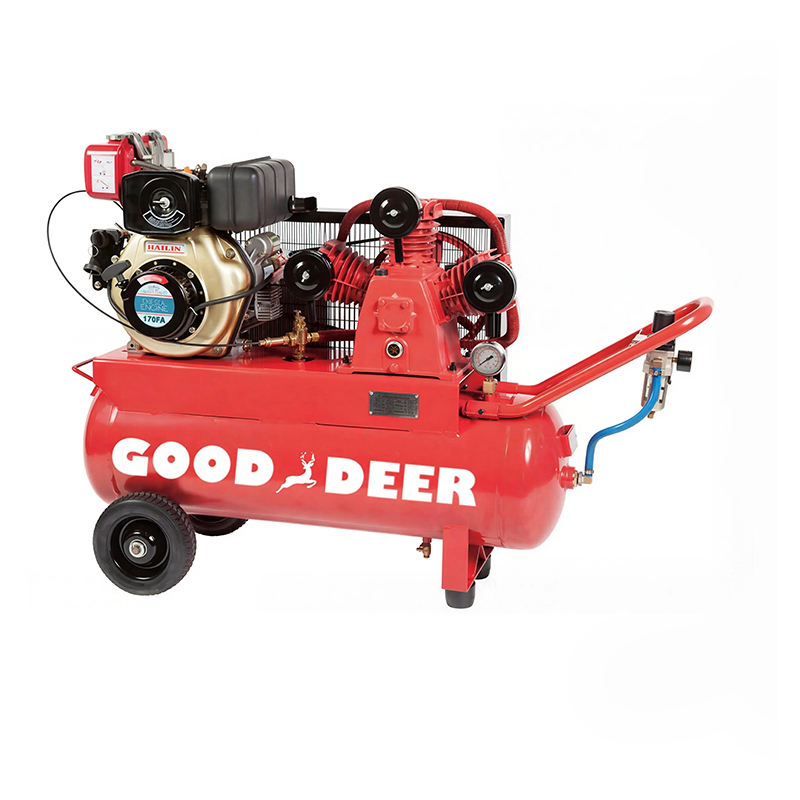
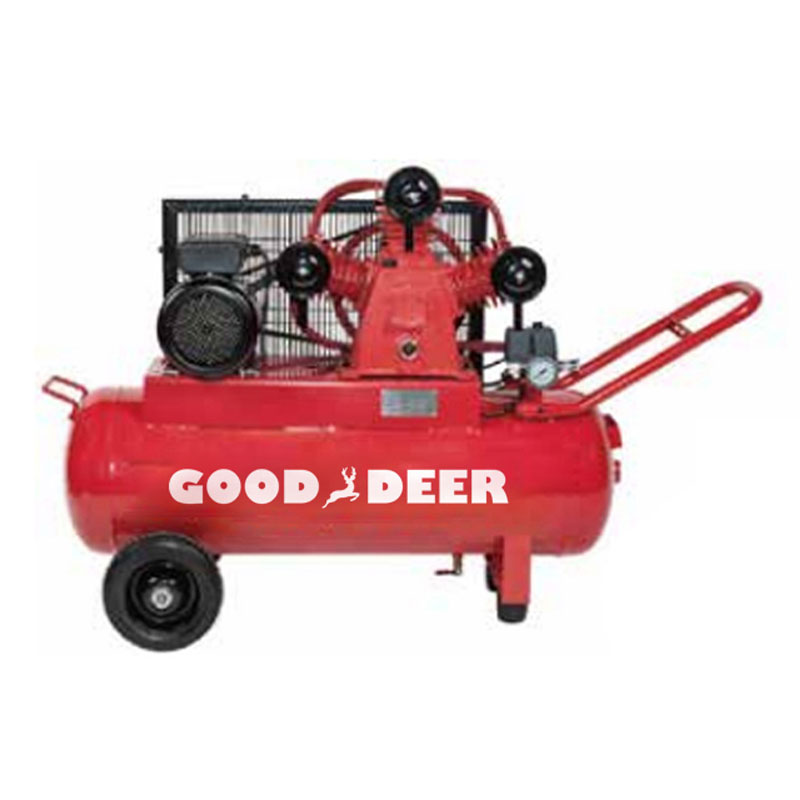
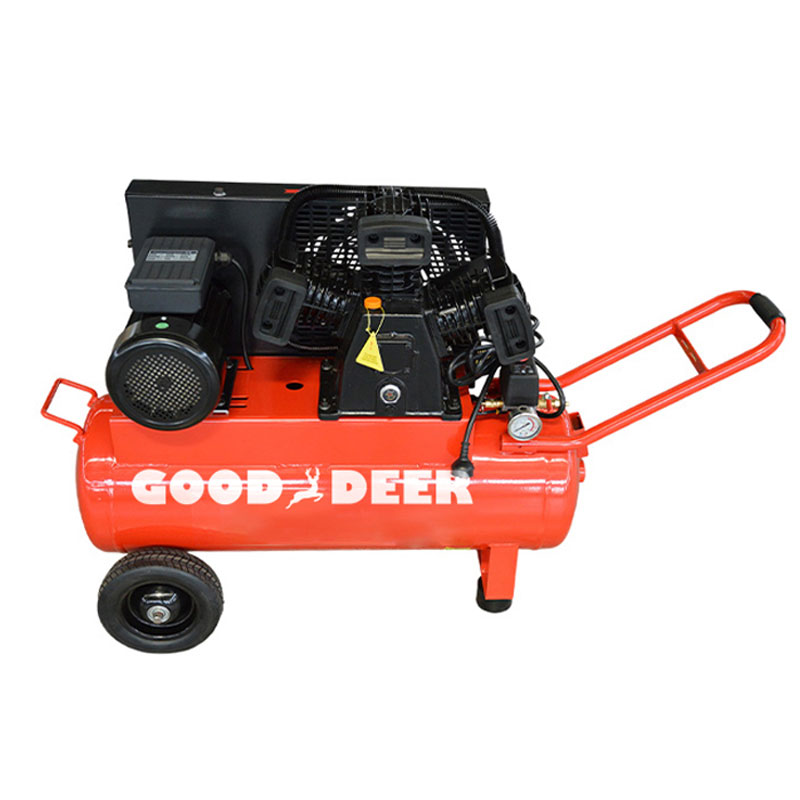
A piston air compressor (also called a reciprocating compressor) uses one or more pistons driven by a crankshaft to compress air in a cylinder. It operates in cycles — compressing air, then pausing to let the motor and pump cool down. This is why piston compressors are rated with a duty cycle, typically 50% to 75%, meaning they should run no more than that fraction of any given hour. Exceeding the duty cycle causes overheating, valve failure, and premature ring wear.
How a Screw Air Compressor Works
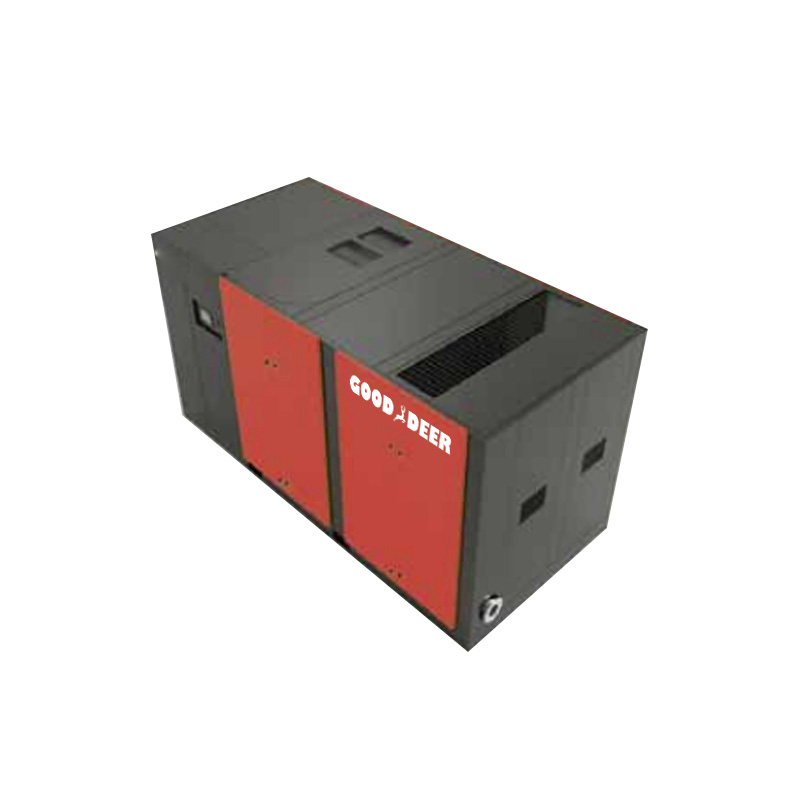
A screw air compressor uses two interlocking helical rotors to continuously compress air as it moves from the intake to the discharge end. Because compression is smooth and continuous with no reciprocating motion, screw compressors generate far less heat and vibration. They are rated for 100% duty cycle — they can run continuously, 24 hours a day, without thermal stress or mechanical fatigue.
| Feature | Piston Air Compressor | Screw Air Compressor |
|---|---|---|
| Compression method | Reciprocating piston | Rotary twin-screw rotors |
| Duty cycle | 50–75% | 100% |
| Typical pressure range | 90–175 PSI | 100–200 PSI |
| Airflow range | 1–30 CFM | 15–1,500+ CFM |
| Noise level | 70–90 dB | 60–75 dB |
| Entry-level cost | $200–$2,000 | $1,500–$15,000+ |
| Maintenance interval | Every 200–500 hours | Every 2,000–8,000 hours |
| Best use case | Intermittent workshop use | Continuous industrial use |
Step 1 — Calculate the CFM Your Application Demands
CFM (cubic feet per minute) is the most critical specification when choosing an air compressor. A compressor with insufficient CFM will struggle to keep up with tool demand, causing pressure drops mid-task. Always size your compressor to deliver at least 25–30% more CFM than the highest-demand tool you plan to run.
Here are real-world CFM requirements for common tools at standard operating pressure:
| Tool / Application | CFM Required | PSI Required |
|---|---|---|
| Nail gun (framing) | 2–4 CFM | 70–120 PSI |
| Tire inflation | 1–2 CFM | 30–50 PSI |
| Impact wrench (1/2") | 4–5 CFM | 90–100 PSI |
| Spray gun (HVLP) | 8–20 CFM | 25–45 PSI |
| Sandblasting | 10–25 CFM | 90–125 PSI |
| Plasma cutter air supply | 4–8 CFM | 60–90 PSI |
| CNC machining / automation lines | 50–500+ CFM | 100–150 PSI |
If you plan to run multiple tools simultaneously, add their individual CFM requirements together and apply the 25–30% safety margin on top of that total. For example, running an impact wrench (5 CFM) and a blow gun (3 CFM) at the same time requires a compressor delivering at least 10–11 CFM reliably.
Step 2 — Determine the Duty Cycle You Actually Need
Duty cycle is the percentage of time a compressor can run within a given period without overheating. It is the single most important factor distinguishing when to choose a piston air compressor versus a screw air compressor.
Estimate your real usage pattern honestly:
- Under 50% duty cycle — hobbyists, occasional auto repair, construction nail guns, woodworking shops. A piston air compressor is ideal and significantly more affordable.
- 50–70% duty cycle — busy auto body shops, cabinet makers, moderate-production spray painting. A heavy-duty piston compressor rated for 75% duty cycle or a small entry-level screw air compressor.
- Above 70% duty cycle — manufacturing lines, food processing, continuous pneumatic conveying, laser cutting support. A screw air compressor is the only appropriate choice. Running a piston compressor at these duty cycles will overheat the unit within months.
A useful real-world test: if your current compressor is hot to the touch and its pressure relief valve trips regularly, your duty cycle demand has outgrown a piston-type machine.
Step 3 — Match PSI to Your Most Demanding Tool
While CFM defines whether your compressor can sustain airflow, PSI (pounds per square inch) determines whether it can generate the pressure your tools need. Most pneumatic shop tools operate between 90 and 120 PSI. The compressor's rated output PSI should always exceed the tool requirement, because pressure drops as air travels through lines, fittings, and filters — typically losing 5 to 15 PSI between the tank and the tool tip.
Practical rules for PSI selection:
- If your highest-demand tool needs 90 PSI, choose a compressor rated to deliver at least 125–135 PSI at the tank
- For two-stage piston compressors, maximum output is typically 155–175 PSI — well-suited for sandblasting and impact tools
- Industrial screw air compressors can deliver sustained pressure up to 200 PSI, important for dense plasma operations or high-pressure pneumatic actuators
- Avoid oversizing PSI significantly — running a 175 PSI compressor for tire inflation wastes energy and increases wear on regulators and seals
Choosing Between Single-Stage and Two-Stage Piston Air Compressors
If you have determined that a piston air compressor suits your needs, the next decision is whether to buy a single-stage or two-stage model. The difference is how many times the air is compressed before reaching the tank.
Single-Stage Piston Compressor
Air is compressed once in a single cylinder and delivered directly to the tank. Single-stage models top out at around 125–135 PSI and are best for lighter tools — nailers, inflation, small spray guns, and blowguns. They are lighter, less expensive ($200 to $800 for quality units), and simpler to maintain.
Two-Stage Piston Compressor
Air is compressed first in a larger low-pressure cylinder, then passed through an intercooler and compressed again in a smaller high-pressure cylinder. This achieves tank pressures of 155–175 PSI, greater efficiency, and higher CFM output. Two-stage piston compressors are appropriate for heavy-duty shop tools, sandblasting, and commercial garages. They cost $800 to $2,500 and weigh considerably more, requiring fixed installation.
Key Factors to Evaluate When Choosing a Screw Air Compressor
If your operation demands continuous-duty performance, there are several additional variables that differentiate screw air compressors:
Fixed-Speed vs. Variable-Speed Drive (VSD)
A fixed-speed screw air compressor runs the motor at constant speed regardless of air demand. A VSD (variable-speed drive) model adjusts motor speed to match actual demand in real time. VSD screw compressors typically reduce energy consumption by 20–35% compared to fixed-speed models in applications with variable air demand — a significant saving given that a 75 kW compressor running 8,000 hours per year can consume over $80,000 in electricity annually at commercial rates.
Oil-Injected vs. Oil-Free Screw Compressor
Oil-injected screw compressors inject oil into the compression chamber for cooling, sealing, and lubrication. They produce compressed air containing trace oil aerosol, which must be removed by downstream filtration for sensitive applications. Oil-free screw compressors use specially coated, non-contacting rotors and produce ISO 8573-1 Class 0 oil-free air — mandatory in food and beverage production, pharmaceutical manufacturing, electronics, and medical applications.
Integrated Dryer and Filtration
Many modern screw air compressors come with a built-in refrigerant dryer that reduces compressed air dew point to +3°C to +10°C, preventing moisture-related corrosion in downstream equipment and pipework. For most industrial applications, a compressor with an integrated dryer eliminates the need for a separate drying unit and reduces total footprint and installation cost.
Tank Size: How Much Storage Capacity Do You Need
Tank size (measured in gallons or liters) affects how long you can run a tool before the compressor needs to cycle back on. A larger tank reduces motor start/stop frequency, which extends motor and valve life in piston compressors.
Practical tank size guidance:
- 1–6 gallons — portable pancake or hot dog units; suitable only for nailers, inflation, and very brief tasks
- 20–30 gallons — mid-size shop use; handles most pneumatic hand tools comfortably with manageable cycle frequency
- 60–80 gallons — professional auto body, woodworking production; accommodates spray guns and sandblasting with consistent pressure
- Screw air compressors — can operate with small integral receivers (10–30 gallons) because their continuous output eliminates dependence on stored volume; large remote tanks are added for system stability rather than run-time extension
Note: Tank size does not increase a compressor's CFM output. A larger tank simply stores more compressed air, buffering against short demand spikes. If your tools consistently outrun the compressor's CFM delivery, a bigger tank only delays — not solves — the problem.
Power Supply and Installation Considerations
Air compressors are among the highest power-draw tools in any facility. Verify your electrical supply before purchasing:
- 120V / single-phase — suitable for portable piston compressors up to about 1.5 HP; limited CFM output
- 240V / single-phase — handles piston compressors up to 5 HP; appropriate for most home workshops and small auto shops
- 240V or 480V / three-phase — required for large two-stage piston compressors above 5 HP and virtually all screw air compressors; three-phase power is more efficient and runs motors cooler
Also factor in installation space: a 10 HP screw air compressor typically measures approximately 60" × 30" × 55" and weighs 800–1,200 lbs, requiring a level concrete floor, adequate ventilation (minimum 3 air changes per hour in the compressor room), and drain provisions for condensate.
Total Cost of Ownership: Upfront Price vs. Long-Term Operating Cost
Purchase price is only part of the equation. Over a 10-year service life, energy costs and maintenance will far exceed the initial investment for any heavily used compressor.
- Energy consumption — accounts for 70–80% of total lifetime cost in industrial compressors; a 30 kW screw compressor running 6,000 hours/year at $0.12/kWh costs approximately $21,600 per year in electricity alone
- Maintenance costs — piston compressors require valve replacements, ring replacements, and oil changes every 200–500 hours; screw compressors require oil and separator element changes every 2,000–4,000 hours but at higher per-service cost
- Downtime cost — for production environments, an unplanned compressor failure can cost thousands per hour; screw compressors with redundant units or VSD controls carry lower downtime risk
- Compressed air leaks — industry studies estimate that 25–30% of compressed air in an average plant is lost to leaks; fixing leaks typically delivers faster ROI than upgrading to a more efficient compressor
For low-use environments (under 500 hours per year), a well-specified piston air compressor is the clear value winner. For operations running 2,000 hours or more annually, the lower energy consumption and maintenance intervals of a screw air compressor typically justify the higher upfront price within 2 to 4 years.
Quick Selection Summary: Which Compressor Is Right for You
Use this decision framework to narrow your choice quickly:
| Your Situation | Recommended Type | Suggested Spec |
|---|---|---|
| Home garage, occasional use | Single-stage piston | 20–30 gal, 5–6 CFM @ 90 PSI |
| Auto body / paint shop | Two-stage piston or entry screw | 60–80 gal, 14–20 CFM @ 100 PSI |
| Woodworking production shop | Two-stage piston or screw | 5–10 HP, 17–35 CFM @ 125 PSI |
| Manufacturing / assembly line | Screw air compressor (VSD) | 15–75 kW, 50–300 CFM @ 125 PSI |
| Food / pharma / medical | Oil-free screw compressor | ISO Class 0, sized to demand |