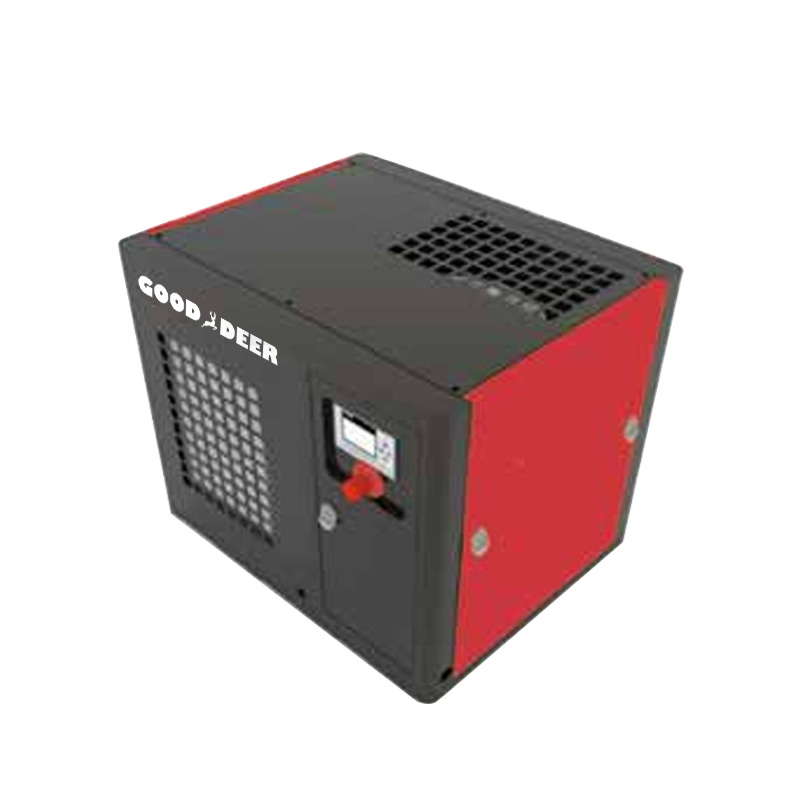
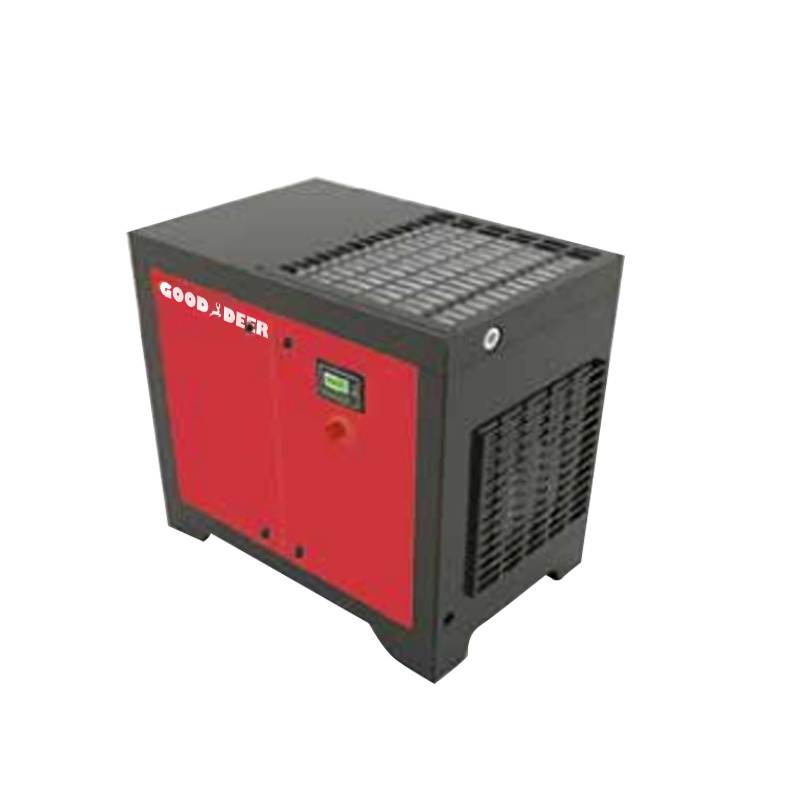
What are the Maintenance and Upkeep Considerations for Screw Air Compressors?
Introduction to Screw Air Compressors
Screw air compressors are widely used in various industries due to their efficiency, reliability, and ability to provide continuous compressed air. These compressors are designed for high-performance applications, making them suitable for industries such as manufacturing, construction, agriculture, and more. Regular maintenance and upkeep are essential to ensure that screw air compressors operate efficiently and have a long service life. Proper care can prevent breakdowns, improve efficiency, and reduce the overall cost of operation.
Regular Oil Changes
One of the most critical maintenance tasks for screw air compressors is ensuring proper lubrication. The compressor's oil plays a key role in reducing friction, cooling components, and preventing wear. Over time, the oil can become contaminated or degraded, affecting its ability to perform effectively. Regular oil changes are essential to keep the compressor running smoothly. It is important to use the correct type and grade of oil recommended by the manufacturer. Checking the oil level frequently and replacing the oil at regular intervals can prevent damage to internal components and maintain efficient operation.
Air Filter Maintenance
The air filter is an essential part of the screw air compressor, as it prevents dust, dirt, and other contaminants from entering the system. Over time, air filters can become clogged, reducing airflow and causing the compressor to work harder, which can lead to increased energy consumption and potential overheating. Regularly checking and replacing the air filter is crucial for maintaining the compressor's performance. Depending on the operating environment, the air filter may need to be cleaned or replaced more frequently, especially in dusty or harsh conditions.
Cooling System Care
The cooling system is another vital component that needs regular attention. Screw air compressors generate heat during operation, and it is the cooling system's job to prevent overheating by dissipating this heat. Most screw compressors use air or water-cooled systems. Over time, the cooling fins and radiator can become clogged with dirt and debris, reducing their efficiency. It is important to regularly inspect and clean these components to ensure proper airflow and cooling. If the cooling system is not functioning effectively, the compressor may overheat, leading to damage and reduced performance.
Checking and Replacing the Oil Separator
The oil separator plays an important role in separating oil from the compressed air before it is discharged into the environment. Over time, the oil separator can become clogged or worn out, reducing its efficiency and leading to oil contamination in the air system. It is important to regularly check the condition of the oil separator and replace it when necessary. A clean and functioning oil separator ensures that the compressed air is free from oil, maintaining air quality and preventing damage to downstream equipment.
Inspection of Belts and Hoses
Belts and hoses are essential components of screw air compressors, as they transfer power and air between various parts of the system. Over time, belts can become worn, stretched, or damaged, and hoses may develop leaks or cracks. Regularly inspecting the belts and hoses for signs of wear is crucial to prevent unexpected breakdowns. If any issues are detected, the belts should be replaced, and damaged hoses should be repaired or replaced to avoid further damage to the system. Proper tensioning of belts is also important to ensure smooth operation and prevent unnecessary strain on the motor and compressor components.
Monitoring System Pressure and Temperature
Monitoring the system’s pressure and temperature is an essential aspect of screw air compressor maintenance. Keeping track of these parameters helps identify potential issues before they lead to costly repairs. Abnormal pressure readings or overheating can indicate problems such as blockages, inefficient cooling, or incorrect oil levels. Regularly monitoring the system’s pressure settings ensures that the compressor operates within the optimal range, preventing excessive wear on the components and ensuring consistent performance. Temperature checks can also prevent overheating, which can lead to premature failure of critical components.
Drainage of Condensate from the Air Receiver Tank
Condensate builds up in the air receiver tank during operation, as moisture in the compressed air is removed. If not properly drained, this moisture can cause rust and corrosion inside the tank, as well as damage to other components of the air compressor. Regularly draining the condensate from the receiver tank is an essential maintenance task. Most compressors are equipped with an automatic condensate drainage system, but it is still important to ensure that this system is functioning correctly. In cases where manual draining is required, it should be performed on a regular basis to avoid moisture buildup and potential damage.
Vibration and Noise Monitoring
Vibration and noise levels are important indicators of the overall health of a screw air compressor. Excessive vibrations or unusual noises can signal problems with the compressor’s internal components, such as bearings, rotors, or motor alignment. Regularly monitoring vibration and noise levels can help identify potential issues early and prevent further damage. If abnormal vibrations or noise are detected, it is important to perform a thorough inspection of the compressor to identify and resolve the problem.
General Cleanliness and Inspection
Keeping the compressor clean is essential for its long-term performance and longevity. Dirt, dust, and other debris can accumulate on various parts of the compressor, leading to clogged components and reduced efficiency. Regular cleaning of the external parts of the compressor, as well as the internal components during routine maintenance, helps ensure smooth operation. It is also important to conduct a visual inspection of the compressor to check for any signs of damage, wear, or leaks. Regular maintenance checks allow for early detection of issues, reducing the risk of unexpected failures.
Maintaining a screw air compressor involves several critical tasks, from regular oil changes and air filter maintenance to checking the cooling system and inspecting belts and hoses. Proper upkeep ensures that the compressor operates efficiently, extends its lifespan, and reduces the risk of costly breakdowns. At Gooddeer, we emphasize the importance of following the manufacturer’s recommended maintenance schedule and conducting regular inspections to keep your screw air compressor in optimal condition. By investing in routine maintenance, industries can ensure that their air compressors continue to perform at their best for years to come.
FAQ
Q: What are the key advantages of using a screw air compressor over a piston air compressor?
A: Screw air compressors are known for their continuous operation and higher efficiency compared to piston air compressors. They provide a constant flow of compressed air, which is ideal for applications that require uninterrupted operation. Additionally, screw compressors are generally quieter, more energy-efficient, and require less maintenance. Their design allows them to operate at higher capacities for longer durations, making them a popular choice in industries like manufacturing, construction, and agriculture.
Q: How can I determine the right size screw air compressor for my application?
A: Selecting the right size screw air compressor depends on factors like the required air pressure, air flow rate, and the type of equipment you plan to power. To ensure optimal performance, it’s essential to match the compressor's capacity with your specific needs. Over-sizing can lead to unnecessary energy consumption, while under-sizing may result in inadequate performance. A qualified professional can help assess your requirements and recommend a compressor that matches your operational demands.
Q: How energy-efficient are screw air compressors compared to other types?
A: Screw air compressors are generally more energy-efficient than other types, such as piston compressors. This efficiency is due to their design, which minimizes energy loss and reduces friction. Screw compressors often feature variable speed drives (VSD) that adjust motor speeds based on demand, further optimizing energy use. For businesses looking to reduce energy costs, a screw air compressor is a reliable choice due to its lower operational energy consumption, particularly in continuous or heavy-duty applications.
Q: What is the expected lifespan of a screw air compressor with proper maintenance?
A: With proper maintenance, a screw air compressor can last anywhere from 10 to 20 years. Regular checks on components such as the oil levels, air filters, and belts, as well as periodic servicing, will help extend the lifespan of the compressor. The longevity of the compressor also depends on factors like the operating environment, frequency of use, and the quality of maintenance provided. Investing in routine maintenance ensures that the compressor continues to function efficiently over time.
Q: Are screw air compressors suitable for use in harsh environments?
A: Yes, screw air compressors are suitable for use in harsh environments such as construction sites, mining operations, and factories. Their robust design allows them to withstand dusty, dirty, or challenging conditions. Many screw air compressors are built with weather-resistant housings and durable components to protect against elements like moisture and extreme temperatures. However, it’s important to select a model that is specifically designed for such environments to ensure optimal performance and reliability.
Q: Can screw air compressors be used for both industrial and residential applications?
A: While screw air compressors are primarily used in industrial settings due to their larger capacities and continuous operation capabilities, smaller models can be suitable for residential applications, especially for tasks like workshops, garages, or home construction projects. However, the higher initial cost and maintenance needs make them a better fit for commercial and industrial use, where their energy efficiency and continuous performance provide more significant benefits.
Q: How do I know when to replace the oil in my screw air compressor?
A: The oil in a screw air compressor should be replaced according to the manufacturer's recommended schedule, which typically ranges from 2,000 to 4,000 operating hours. However, it’s important to monitor the oil condition regularly. Signs that oil replacement is needed include a decrease in compressor performance, excessive noise, or visible contaminants in the oil. Using high-quality oil and replacing it as needed ensures that the compressor operates smoothly and avoids potential damage to internal components.


 English
 русский
 Español
 عربى
عربى