
 English
 русский
 Español
 عربى
عربى

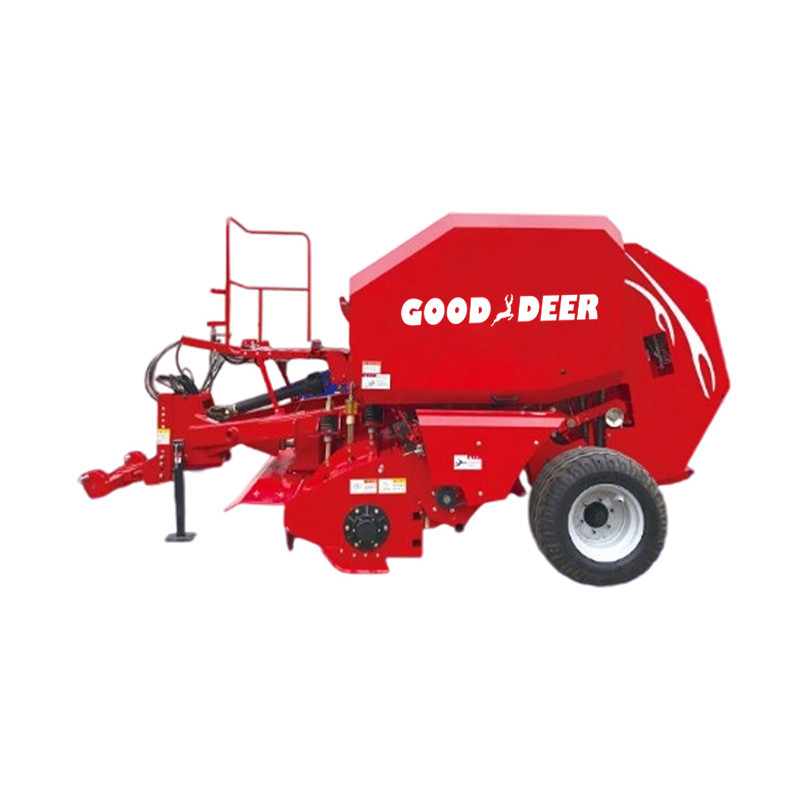
In the world of modern agriculture, the harvest doesn't end when the grain is collected. For millions of farmers globally, the residue left behind—specifically rice straw—presents both a massive logistical challenge and a significant economic opportunity. However, anyone who has worked in a paddy field knows that rice straw is not the same as wheat straw or meadow hay. It is tough, abrasive, and often damp, requiring specialized equipment to manage effectively.
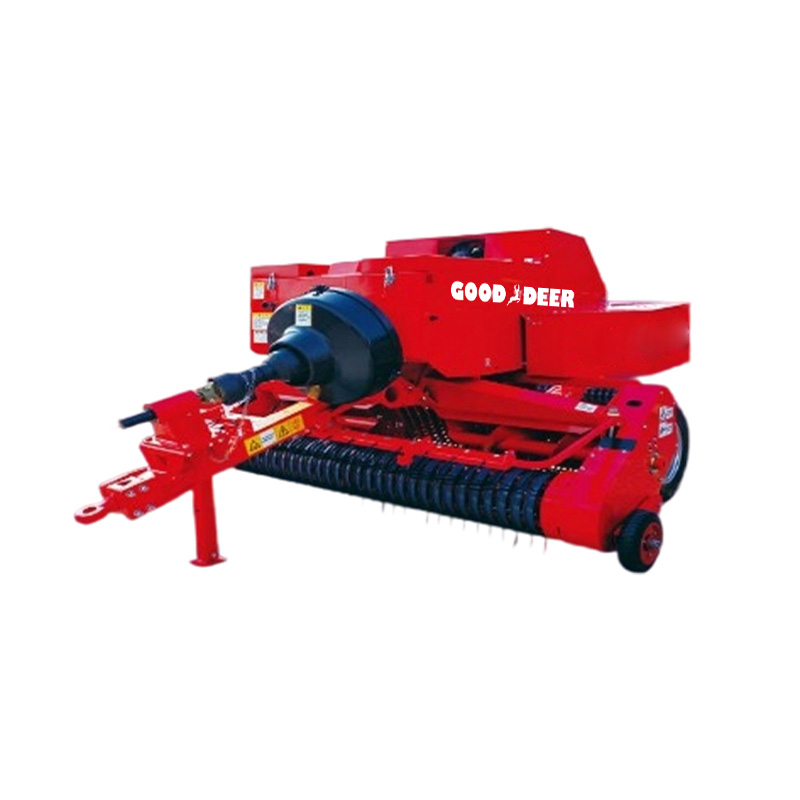
This is where the Hay Rice Straw Grass Baler comes into play. While a standard Hay Straw Baler might suffice for soft grasses, the unique physical properties of rice residue demand a machine built for endurance and precision. In this article, we explore the science of rice straw, the engineering requirements of specialized baling, and how the right machinery can transform agricultural waste into a high-value asset.
The Unique Challenge of Rice Straw
To understand why a specialized Hay Rice Straw Grass Baler is necessary, we must first look at the crop itself. Rice is a hardy plant, and its stalks are designed by nature to stand tall in flooded, muddy conditions.
High Silica Content
Rice straw has a significantly higher silica content than most other cereal straws. Silica is essentially a natural glass. For a baler, this means the material is incredibly abrasive. It wears down pickup tines, internal rollers, and knotter mechanisms much faster than ordinary hay. A specialized baler uses hardened steel components and reinforced surfaces to combat this "sandpaper effect."
Moisture and Resilience
Rice is often harvested in humid conditions or from wet soil. Unlike upland hay, which dries quickly in the sun, rice straw retains internal moisture and has a slippery waxy cuticle. A standard baler often struggles to "grip" this slick material, leading to clogs or inconsistent bale shapes. A dedicated Hay Rice Straw Grass Baler is engineered with aggressive feeding systems to ensure even heavy, damp stalks are pulled into the chamber efficiently.
Engineering Excellence: Inside the Hay Rice Straw Grass Baler
So, what makes a specialized baler different? It isn't just a different paint job; it’s about the internal architecture designed to handle high-stress environments.
Reinforced Pickup Mechanisms
The pickup is the first point of contact. In a specialized Hay Straw Baler, the tines are often spaced and reinforced to handle the irregular, tangled nature of rice stalks. Because rice straw doesn't "flow" as easily as dry grass, the pickup must be robust enough to lift the residue without bending under the weight of wet clumps.
High-Compression Chambers
To make transportation and storage viable, the straw must be packed tightly. Rice straw is naturally springy; it wants to expand. A specialized Hay Rice Straw Grass Baler utilizes heavy-duty plungers and high-tension tensioners to force the air out and create a high-density bale. This density is crucial because it prevents oxygen from entering the bale, which reduces the risk of internal rot or spontaneous combustion if the straw is slightly damp.
The Specialized Knotter System
The knotter is the brain of the baler. In a rice-specific environment, dust and fine silica particles can jam delicate gear systems. Quality rice straw balers feature dust-shielded knotters and automated lubrication systems. This ensures that even after a full day of working in dusty, abrasive conditions, the machine continues to tie perfect knots without skipping.
The Economic Benefits of Effective Baling
For many years, the default method for managing rice straw was field burning. However, as environmental regulations tighten and the value of biomass rises, baling has become the preferred choice.
Turning Waste into Fuel
Rice straw is an excellent source of biomass for power plants. However, power plants require "energy density." They don't want loose straw; they want dense, uniform bales that can be fed into industrial boilers. By using a high-performance Hay Rice Straw Grass Baler, farmers can meet the strict density requirements of the bio-energy industry, opening up a new revenue stream.
Animal Bedding and Fodder
While rice straw is lower in protein than alfalfa hay, it is an essential fiber source for ruminants and an excellent, absorbent material for animal bedding. A well-formed bale stays clean and is easy to stack in a barn. Specialized baling ensures that the straw is chopped or compressed in a way that remains palatable or functional for livestock.
Logistics and Storage
Transportation is often the highest cost in the straw trade. A loose pile of straw takes up massive volume but has very little weight. By using a specialized Hay Straw Baler, you can maximize the "payload" of every truck. High-density bales mean fewer trips, lower fuel consumption, and a smaller carbon footprint for the farm.
Operation Best Practices: Getting the Most from Your Baler
Owning a Hay Rice Straw Grass Baler is only half the battle; operating it correctly is the other.
Timing the Harvest
Ideally, rice straw should be baled when the moisture content is between 15% and 20%. If it’s too dry, the silica makes it brittle and difficult to bind. If it’s too wet, the bale becomes excessively heavy and prone to mold. Professionals often use moisture sensors integrated into the baler to monitor these levels in real-time.
Managing Ground Speed
Because rice residue is tough, "pushing" the machine too fast can lead to shear-bolt breakages. It is better to maintain a steady, consistent ground speed that allows the pickup to lift the straw cleanly without "slugging" the intake.
Daily Maintenance Rituals
Given the abrasive nature of rice straw, daily maintenance is non-negotiable.
- Blow it out: Use compressed air to remove silica dust from the knotters and chain drives.
- Grease daily: Friction is the enemy. Ensure all zerk fittings are serviced to push out old, contaminated grease.
- Check the knives: The twine cutters must be razor-sharp. Dull knives lead to "tails" on the knots, which can cause bales to burst during transport.
Environmental Impact and Sustainability
The shift toward specialized baling technology is a win for the planet. Field burning releases massive amounts of CO2 and particulate matter into the atmosphere, contributing to local smog and global warming.
When a farmer uses a Hay Rice Straw Grass Baler, they are participating in the "circular economy." The carbon trapped in the straw is either returned to the soil as compost or used as a carbon-neutral fuel source. Furthermore, removing the straw from the field reduces the prevalence of certain soil-borne diseases and pests that over-winter in the residue, leading to a healthier crop in the following season with less reliance on chemical pesticides.
The Future of Baling: Trends for 2026
As we look toward the future, the Hay Straw Baler is becoming smarter. We are seeing the rise of:
- ISOBUS Integration: Allowing the baler to communicate directly with the tractor to automatically adjust speed based on windrow density.
- GPS Tracking: Mapping where each bale was dropped so that collection trucks can optimize their route through the field.
- Automated Density Control: Sensors that detect the resistance of the straw and adjust the hydraulic tensioners on the fly to ensure every bale is identical in weight.
Investing in the Right Tool
Agricultural success is often measured by the efficiency of the "entire" cycle. Leaving rice straw to rot or burn is a missed opportunity. While the initial investment in a specialized Hay Rice Straw Grass Baler may be higher than a generic model, the long-term savings in maintenance, the increase in bale quality, and the ability to handle the toughest residues make it an easy choice for the professional farmer.
By mastering the collection of rice straw, you aren't just cleaning a field; you are harvesting a secondary crop. With the right machinery, what was once a "waste problem" becomes a reliable source of profit and a testament to sustainable farming practices.