
 English
 русский
 Español
 عربى
عربى

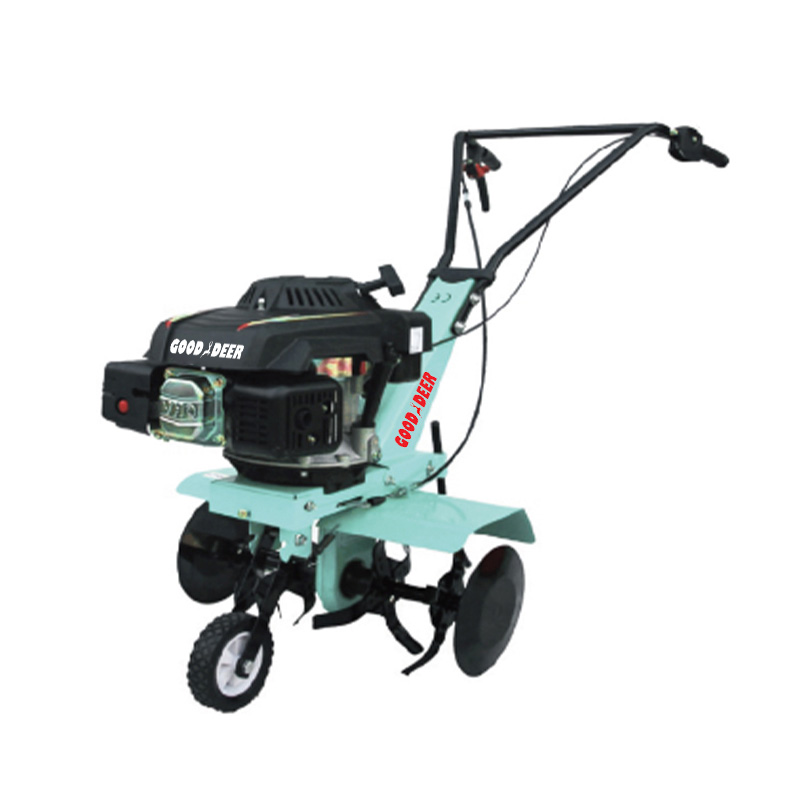
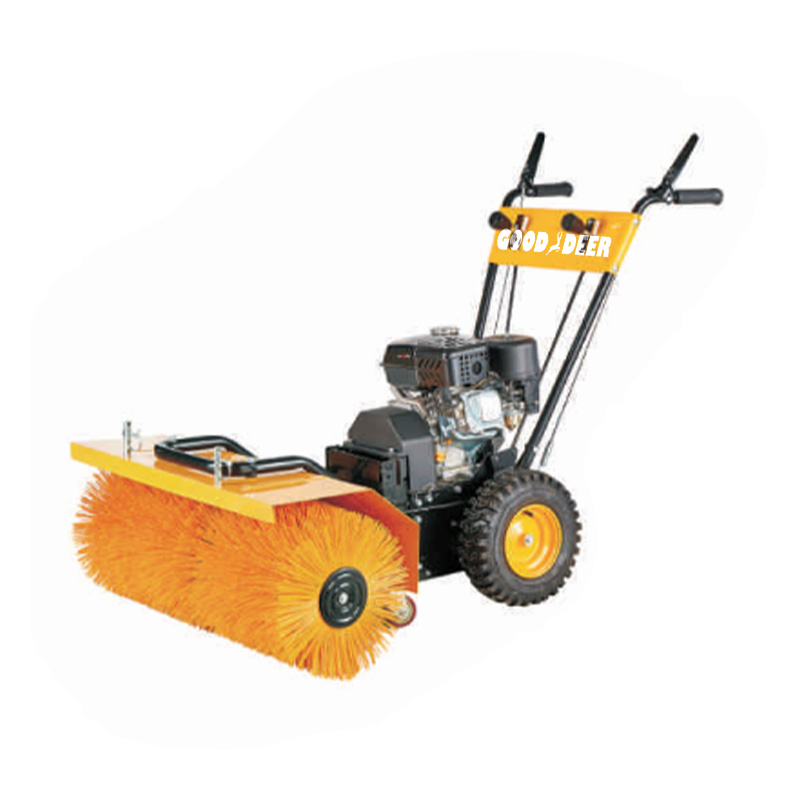
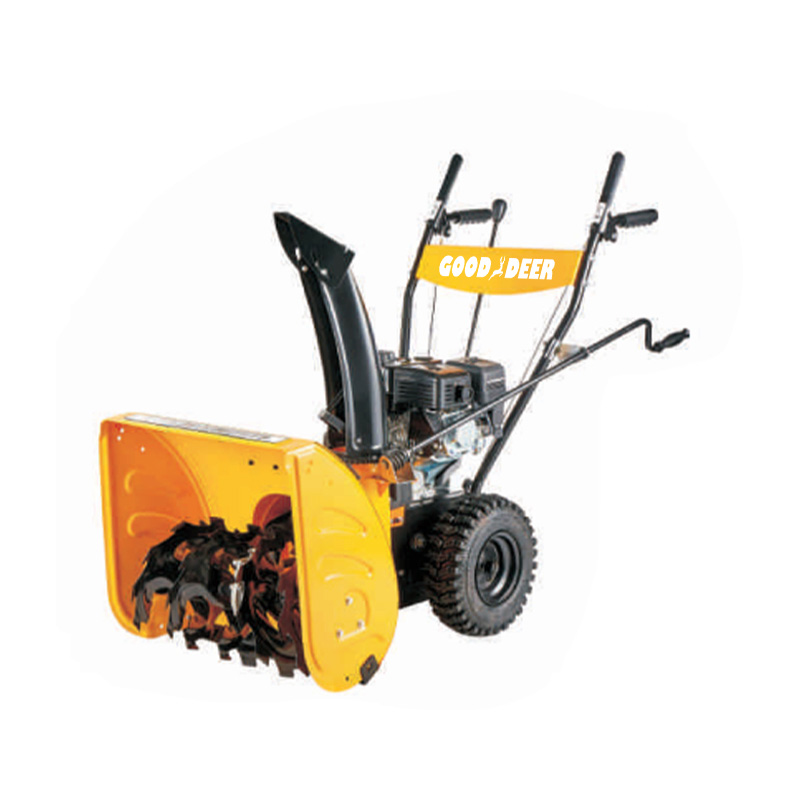
A belt type snow sweeper drives its roller brush (and often its rear conveyor) using a rubber V-belt or flat belt instead of a chain or gearbox. This makes it the lightest, cheapest, and easiest-to-service drive system on the market — but it also means the belt is the first part to wear out, so replacing it every 150–300 operating hours is the single most important maintenance habit for this machine type.
Snow sweepers move power from the engine to the brush in one of three ways: gears, chains, or belts. Belt drive is the version most homeowners and small contractors actually own, because it costs less to build and less to fix. The trade-off is that a belt grips through friction rather than a rigid mechanical link, so it behaves differently under load, in cold weather, and over the long run than the alternatives. Understanding that trade-off — not just how to operate the machine, but how the belt itself behaves — is what determines whether the sweeper lasts three seasons or ten.
How the Belt Actually Moves the Brush
Inside a belt type snow sweeper, the engine's output shaft turns a small drive pulley. A rubber belt wraps around that pulley and a larger pulley mounted on the brush roller's axle. As the drive pulley spins, friction between the belt and both pulleys drags the belt along, which in turn spins the brush pulley — and the brush with it. On machines that also collect snow (not just push it), a second, narrower belt often runs the rear conveyor that carries snow up and out of the discharge chute.
There is no metal-to-metal tooth engagement anywhere in this chain of motion. That single fact explains almost everything distinctive about how these machines perform and fail.
Belt Drive vs. Chain Drive vs. Gear Drive
Manufacturers pick a drive system based on cost, weight, and how much torque the brush needs to push through. Here is how the three common systems compare specifically for snow sweeping duty:
| Drive Type | Strength | Weakness | Best Fit |
|---|---|---|---|
| Belt | Lightweight, quiet, absorbs shock, cheap and fast to replace | Can slip in wet or icy conditions; wears out fastest | Residential driveways, walk-behind and light ATV/UTV units |
| Chain | No slip, handles higher torque, long lifespan with lubrication | Needs regular greasing; heavier; noisier | Mid-size tractor-mounted sweepers on gravel or uneven ground |
| Gear | Highest efficiency, virtually no wear from slippage, longest service life | Most expensive to manufacture and repair; adds overall weight | Heavy municipal and commercial sweeper trucks run daily |
A belt's tendency to slip under sudden overload — for example, when the brush hits a frozen chunk or a curb edge — actually functions as a built-in safety clutch. The belt slips on the pulley instead of transferring that shock straight into the gearbox, engine shaft, or brush bearings. Chain and gear drives don't have this cushioning effect, which is why sudden impacts on those systems are more likely to bend a shaft or snap a tooth than they are on a belt-driven machine.
Where Belt Drive Wins in Real Use
The friction-based design isn't just a budget compromise. In several everyday scenarios it's genuinely the better engineering choice:
Lower Purchase and Repair Cost
- Belts cost a fraction of a chain-and-sprocket set or gearbox
- No specialty tools needed for a swap — a wrench and a tension gauge are usually enough
- Widely available at hardware and farm supply stores, not just dealer parts counters
Smoother, Quieter Operation
- Rubber flexes slightly, damping vibration from an uneven brush load
- No metallic clatter the way a loose chain can produce
- Less mechanical noise for residential and early-morning use
Lighter Overall Machine Weight
- No heavy gearbox housing or hardened sprockets to carry
- Easier to mount on smaller tractors, ATVs, and walk-behind frames
- Less strain on a light-duty PTO or auxiliary hydraulic circuit
Faster Field Repairs
- A spare belt fits in a truck door pocket or toolbox
- Swapping one out mid-job is realistic; swapping a gearbox is not
- Keeps downtime measured in minutes rather than a shop visit
Where Belt Drive Falls Short
The same friction that makes belt drive forgiving also makes it the weaker choice for heavy, continuous, or wet-snow work:
- Slush and wet snow reduce grip. Water and ice can get between the belt and pulley, causing it to slip and spin without fully turning the brush — power reaches the wheel but not all of it reaches the snow.
- Cold makes rubber stiffer. Below roughly -15°C (5°F), a belt that hasn't warmed up can crack at the flex points or ride unevenly on the pulley groove until it loosens up.
- Continuous heavy loads shorten belt life fast. A machine clearing compacted or icy snow for hours at a stretch will burn through a belt noticeably faster than one doing light, intermittent driveway passes.
- Belts stretch over time. Unlike a chain that can often be re-tensioned indefinitely, a stretched belt eventually needs full replacement rather than adjustment.
Maintenance That Actually Extends Belt Life
Most belt failures are predictable and preventable. The following checks take a few minutes and catch the vast majority of problems before they cause a breakdown mid-job.
| Check | How Often | What You're Looking For |
|---|---|---|
| Tension | Every 10–15 hours of use | About half an inch (12–13 mm) of deflection when pressed at the belt's midpoint — too loose slips, too tight overheats bearings |
| Surface wear | Before each session in heavy-use periods | Cracking, fraying edges, glazing (a shiny, hardened surface), or visible cord showing through the rubber |
| Pulley alignment | Monthly, or after any impact | Belt riding evenly in the groove, not rubbing against a pulley wall or guide |
| Cover and guard | Every use | Belt cover is intact and closed — this keeps snow, ice, and salt spray off the belt surface |
| Storage condition | End of season | Belt tension released, unit stored dry and out of direct sunlight to prevent rubber hardening |
A landscaping crew running a belt-driven walk-behind sweeper on salted commercial sidewalks typically replaces the drive belt twice per season, versus once every two to three seasons on residential-only driveway use. The difference comes down to two factors: salt residue accelerates rubber degradation, and commercial routes rack up far more continuous operating hours per week. Crews that keep a spare belt on the truck avoid losing an entire shift to a five-minute part failure.
Choosing the Right Belt Type Sweeper for Your Job
Not every belt-driven sweeper is built the same way, and matching the machine to the job matters more than chasing the highest horsepower rating.
- Light residential driveways (under 12m/40ft): A single-belt walk-behind unit is enough; look for tool-free tension adjustment.
- Long driveways or shared community paths: A tractor or ATV-mounted belt sweeper with a brush width of at least 90cm (36in) covers more ground per pass.
- Mixed-surface use (gravel, pavers, asphalt): Confirm the belt system includes a slip clutch or shear pin — this protects the belt itself when the brush catches on an uneven surface.
- Frequent wet or heavy snow: Consider a dual-belt design (separate belts for brush and conveyor) so a slipping conveyor belt doesn't also stall brush rotation.
Frequently Asked Questions
Can I upgrade a belt-driven sweeper to chain drive?
Generally no — the frame, pulley mounts, and housing are built around the belt system's dimensions. A conversion would effectively mean rebuilding the drivetrain, which usually costs more than buying a chain-drive unit outright.
Why does my belt squeal when the brush engages?
Squealing almost always means the belt is slipping under initial load — check tension first, then inspect the belt and pulley grooves for glazing or contamination from oil, ice, or salt residue.
Is a belt-drive sweeper strong enough for compacted or icy snow?
It can clear light-to-moderate compacted snow, but for consistently icy or heavily packed conditions a chain or gear-driven unit will hold power delivery more reliably and wear out fewer parts over a season.