What Are the Maintenance and Upkeep Considerations for a Diesel Engine-Driven Screw Air Compressor?
Introduction to Diesel Engine-Driven Screw Air Compressors
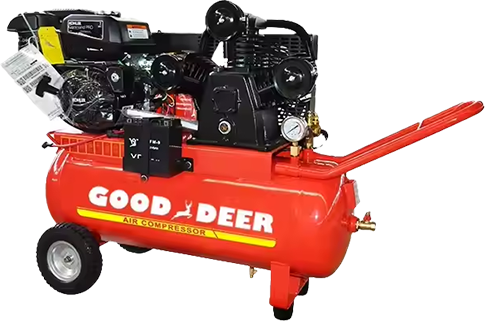
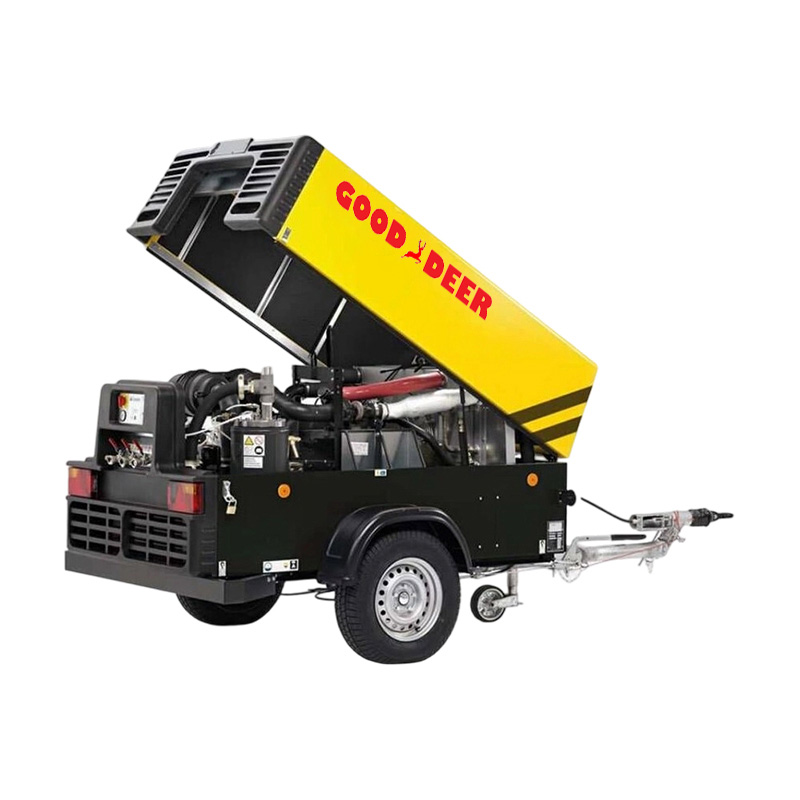
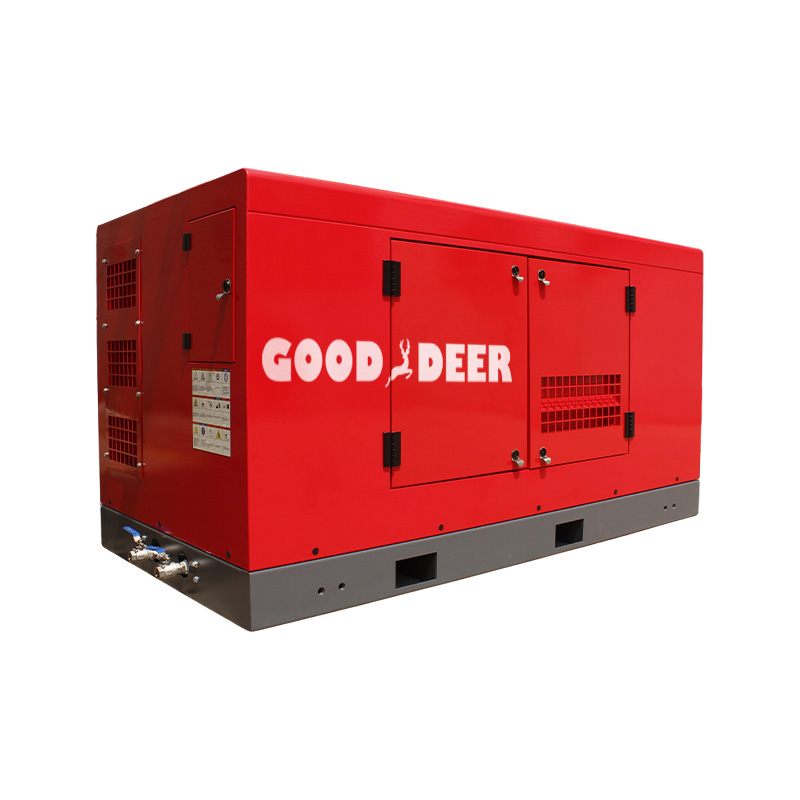
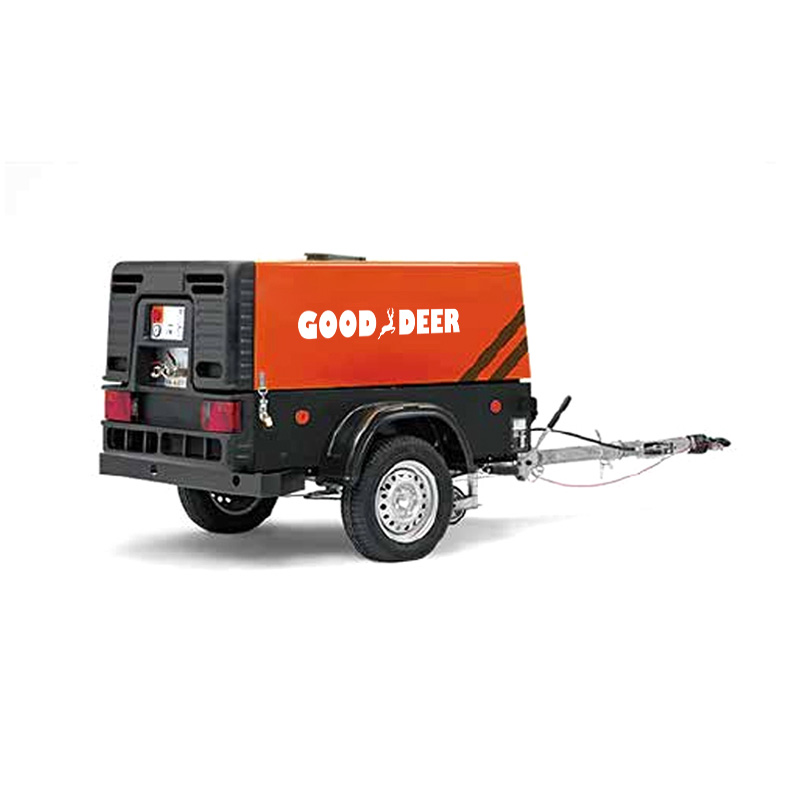
Gooddeer is a customer-oriented industrial and trade enterprise that specializes in mechanical equipment and hardware products. One of our flagship products includes diesel engine-driven screw air compressors, widely used in industrial production, agricultural operations, and construction. These compressors are ideal for demanding environments where portability and high performance are required. Diesel engines offer substantial power and efficiency, making them well-suited for large-scale operations. However, like all mechanical equipment, regular maintenance is essential to ensure their long-term performance and reliability.
Regular Engine Maintenance
The heart of a diesel engine-driven screw air compressor is the engine itself. Regular maintenance of the diesel engine is crucial for preventing costly repairs and ensuring that the compressor runs efficiently. Routine tasks include checking and replacing engine oil, cleaning or replacing air filters, and inspecting the fuel system. Regular oil changes are important to reduce friction and prevent engine wear. It is also essential to monitor the fuel quality, as contamination can lead to performance issues. Diesel engines are susceptible to clogging, so maintaining a clean fuel system ensures that the engine runs smoothly.
Air Filter Maintenance
Air filters play a significant role in maintaining the efficiency of a diesel engine-driven screw air compressor. A clogged or dirty air filter can cause the engine to operate inefficiently, leading to reduced airflow, higher fuel consumption, and potential engine damage. Regularly inspecting and cleaning the air filter is essential for ensuring optimal compressor performance. Depending on the environment in which the compressor operates, the air filter may need to be cleaned or replaced more frequently. In dusty or harsh conditions, filters can quickly become clogged, so a proactive approach to air filter maintenance is crucial.
Fuel System Maintenance
The fuel system is one of the most critical components of a diesel engine. Diesel engines rely on a consistent supply of clean fuel to function properly. Over time, dirt, debris, and water can accumulate in the fuel system, affecting the engine's performance. Regularly inspecting and cleaning the fuel tank, fuel lines, and fuel filter is essential to prevent blockages or fuel contamination. If the engine struggles to start or experiences poor performance, the fuel system should be one of the first components to inspect. In addition, ensuring that the fuel is of high quality can significantly reduce the risk of contamination and ensure a smooth-running engine.
Cooling System Maintenance
The cooling system is responsible for maintaining optimal engine temperatures. If the cooling system fails, the engine can overheat, causing damage and potentially leading to a breakdown. Regularly checking coolant levels and ensuring the cooling system is free of leaks are key maintenance tasks. Over time, coolant can lose its effectiveness, so it's important to replace it as per the manufacturer’s recommendation. Additionally, the radiator and cooling lines should be inspected for any obstructions or damage. Maintaining a well-functioning cooling system will prolong the lifespan of the diesel engine and prevent costly repairs.
Oil and Hydraulic Fluid Checks
Diesel engine-driven screw air compressors rely on oil and hydraulic fluids for various components such as the engine, compressor, and moving parts. Regular checks of oil levels and fluid quality are vital for smooth operation. Dirty or low-quality oil can result in increased friction, overheating, and wear, leading to premature failure of engine components. Ensuring that the correct type and quantity of oil is used and replaced at the recommended intervals is essential for maintaining performance. Similarly, hydraulic fluids should be checked and replaced regularly to ensure that the compressor operates with minimal friction and wear.
Pressure Valve and Safety Checks
Pressure valves and safety mechanisms are essential to the safe operation of any diesel engine-driven screw air compressor. These valves control the air pressure within the system, and failure to maintain them can lead to over-pressurization or under-pressurization, both of which can cause system failures or even safety hazards. Regularly inspecting pressure relief valves, safety valves, and pressure gauges is crucial for preventing accidents. Additionally, all safety features, such as emergency shutoff switches and pressure sensors, should be tested to ensure that they are functioning correctly. Performing these checks will help ensure that the compressor is safe to operate and reduce the risk of accidents on job sites.
Compressor Element and Seals Maintenance
The compressor element and seals play a crucial role in the compressor's ability to produce air at the required pressure. Over time, seals can wear out or become damaged, leading to air leaks and reduced efficiency. Regularly inspecting and replacing seals when necessary can help prevent issues such as pressure loss, excessive noise, and higher energy consumption. Additionally, the compressor element should be checked for wear, corrosion, or damage. Proper maintenance and timely replacement of these parts are essential for maintaining efficient operation and reducing downtime.
Storage and Environmental Considerations
Storage and environmental conditions also impact the performance and lifespan of diesel engine-driven screw air compressors. When not in use, compressors should be stored in a dry, clean area to prevent rust and corrosion. Exposure to harsh weather conditions, such as rain or extreme temperatures, can damage sensitive components. If the compressor is used in outdoor or exposed environments, it's essential to protect it with appropriate covers and storage solutions. In addition, regular cleaning of the exterior and components helps prevent dirt and debris from accumulating, which can impair performance.
FAQ
Q: How do I choose the right diesel engine-driven screw air compressor for my application?
A: Choosing the right diesel engine-driven screw air compressor depends on several factors, including the required airflow, operating pressure, and the environment in which the compressor will be used. Gooddeer offers a range of models that cater to different needs, from industrial production to agricultural operations. It's essential to assess the job requirements, such as continuous or intermittent use, and the type of machinery you plan to power. Additionally, consider factors like portability, fuel efficiency, and operating noise when making your choice.
Q: Can a diesel engine-driven screw air compressor be used in remote or off-grid locations?
A: Yes, diesel engine-driven screw air compressors are ideal for use in remote or off-grid locations. Their ability to operate independently of an electrical grid makes them a valuable tool for construction sites, agricultural operations, and emergency services where power supply may be limited. Gooddeer’s range of diesel-powered compressors is designed to provide reliable performance in challenging environments, ensuring that operations can continue without reliance on an external power source.
Q: What are the key factors affecting the fuel efficiency of a diesel engine-driven screw air compressor?
A: The fuel efficiency of a diesel engine-driven screw air compressor is influenced by several factors, including the compressor’s size, the load it is operating under, and the quality of the diesel fuel used. Proper maintenance, such as regular oil changes, air filter cleaning, and ensuring the engine is running at optimal settings, also plays a significant role in maximizing fuel efficiency. Gooddeer provides air compressors designed to be energy-efficient and cost-effective, helping businesses lower their operational costs.
Q: How can the performance of a diesel engine-driven screw air compressor be optimized in extreme weather conditions?
A: To optimize the performance of a diesel engine-driven screw air compressor in extreme weather conditions, it is essential to use the appropriate fuel additives, maintain proper oil levels, and ensure that the cooling system is functioning correctly. In cold temperatures, keeping the compressor warm and ensuring that the engine oil is suitable for low temperatures can prevent potential freezing issues. Additionally, it’s crucial to regularly inspect and replace air filters and other critical components to avoid clogging and ensure maximum airflow in harsh conditions.
Q: What safety precautions should be taken when operating a diesel engine-driven screw air compressor?
A: When operating a diesel engine-driven screw air compressor, safety is paramount. Ensure that the compressor is placed on a stable surface and is properly secured to prevent tipping or movement during operation. Always operate the compressor in a well-ventilated area to avoid the buildup of exhaust fumes. Additionally, wearing appropriate protective gear such as hearing protection, eye protection, and gloves is recommended. Regularly inspect the pressure relief valves and safety shut-off mechanisms to ensure that they are functioning correctly. Gooddeer emphasizes the importance of safety during operation and provides products designed with user safety in mind.
Q: Can a diesel engine-driven screw air compressor be used to power other equipment?
A: Yes, diesel engine-driven screw air compressors are often used to power pneumatic tools and other equipment. Their high efficiency and portability make them a reliable energy source for a wide range of applications, including powering drills, hammers, and other industrial tools. With Gooddeer’s line of air compressors, businesses can access reliable, high-pressure air for various equipment needs in both industrial and agricultural settings.
Q: What maintenance steps should be followed to prolong the lifespan of a diesel engine-driven screw air compressor?
A: To prolong the lifespan of a diesel engine-driven screw air compressor, regular maintenance is essential. This includes changing the engine oil and air filters as recommended by the manufacturer, inspecting the fuel system for contamination, and checking the cooling system to prevent overheating. Additionally, ensuring that all components, such as the belts, valves, and seals, are in good condition and operating efficiently will help avoid premature wear. Gooddeer offers guidance on the best practices for maintaining compressors, ensuring that they run smoothly for extended periods.


 English
 русский
 Español
 عربى
عربى