What Are the Common Malfunctions and Solutions for a Two-Wheel Multi-Functional Tractor?
Introduction to Two-Wheel Multi-Functional Tractors
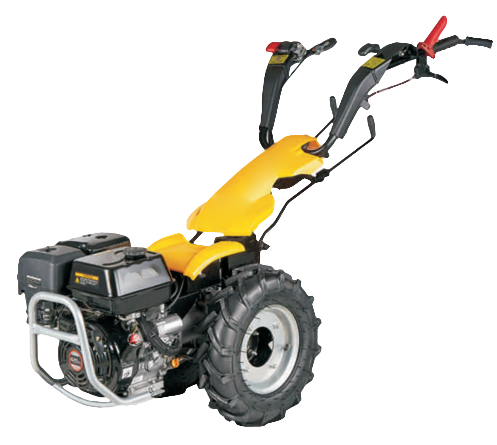
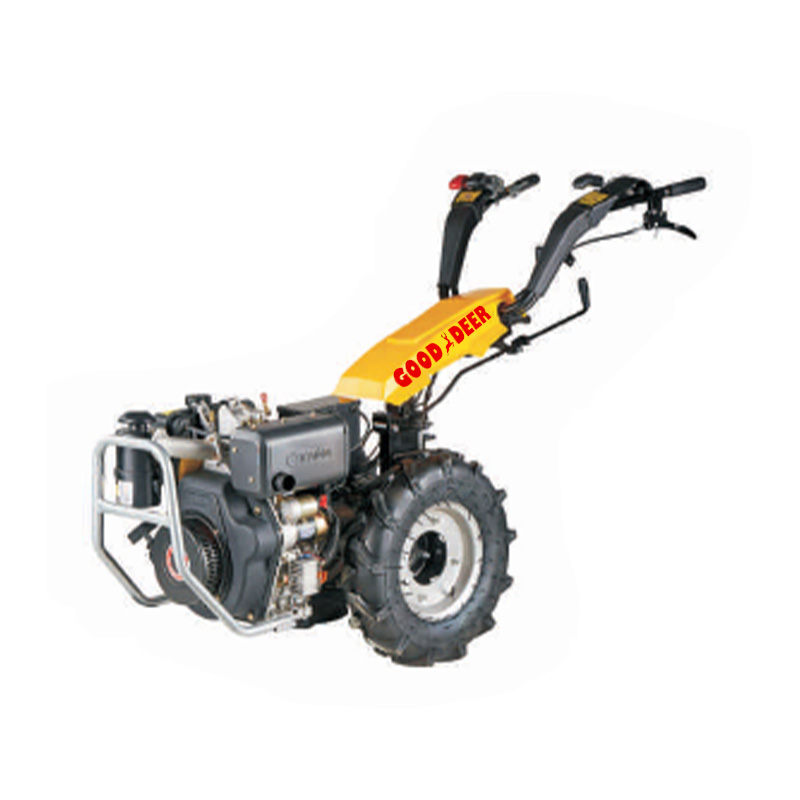
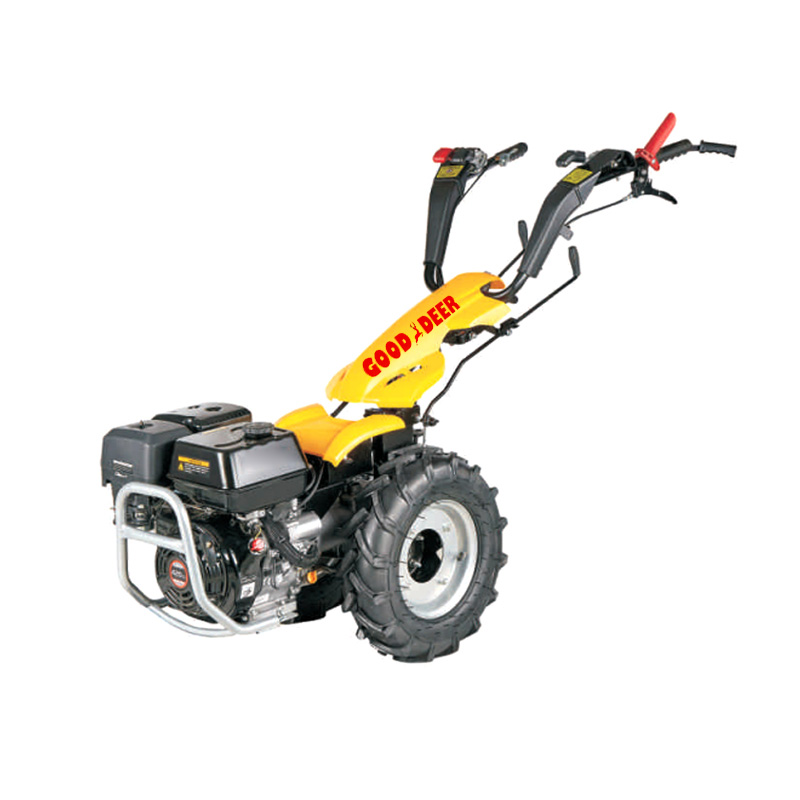
Gooddeer is committed to providing high-quality agricultural machinery, and one of the essential products in this category is the two-wheel multi-functional tractor. These tractors are widely used in farming, construction, and other industrial applications. Their versatility allows them to perform a wide range of tasks, from plowing and tilling to hauling and transporting materials. However, like any mechanical equipment, two-wheel multi-functional tractors may experience malfunctions over time. Regular maintenance and timely troubleshooting are essential to ensure the tractor operates efficiently and without interruption.
Engine Starting Problems
One of the most common issues faced by users of two-wheel multi-functional tractors is engine starting problems. These issues may stem from several factors, including fuel problems, battery issues, or electrical faults. If the engine fails to start, check the fuel system for blockages or contaminated fuel. It is important to ensure that the fuel tank is full and that the fuel filter is clean. Another potential cause is a weak or dead battery. If the battery is not holding a charge, it should be tested and replaced if necessary. Electrical issues, such as faulty spark plugs or a malfunctioning ignition system, can also prevent the engine from starting. Regular checks and replacing worn-out components can help avoid these problems.
Transmission Problems
Transmission issues are another common malfunction in two-wheel multi-functional tractors. These problems may manifest as difficulty in shifting gears, slipping gears, or unusual noises during operation. A possible cause could be low or dirty transmission fluid, which is essential for proper gear function. In such cases, draining and replacing the fluid is a solution. Additionally, worn-out gears or components such as the clutch may need to be inspected and replaced. Regular maintenance, such as checking the fluid levels and ensuring that the gearbox is properly lubricated, can help prevent transmission issues and prolong the life of the tractor.
Overheating of the Engine
Overheating is a common issue for many machines, and two-wheel multi-functional tractors are no exception. Overheating can occur due to a variety of reasons, such as insufficient coolant, a clogged radiator, or a malfunctioning thermostat. If the engine temperature rises too high, it can cause serious damage. The first step is to ensure that the coolant levels are adequate and that the coolant is clean and free of debris. A clogged radiator or air intake can also hinder airflow, so regularly cleaning the radiator and air filters is crucial. If the thermostat is not functioning properly, it may need to be replaced. Keeping the engine cool through regular checks and maintenance will help avoid overheating issues.
Loss of Power
Another issue that may arise is a loss of power, where the tractor struggles to perform tasks it would normally handle with ease. This can happen for a variety of reasons, including air filter blockages, fuel system issues, or even worn-out engine components. To address this issue, check the air filter and clean or replace it if necessary. A clogged fuel filter or contaminated fuel can restrict fuel flow and reduce power, so it is important to inspect the fuel system regularly. If the engine is running poorly despite these checks, it could be due to worn-out components like the piston or valve, in which case, a professional inspection may be required. Regular maintenance and proper lubrication are key to preventing a loss of power.
Hydraulic System Malfunctions
The hydraulic system is integral to the functioning of many two-wheel multi-functional tractors, powering attachments like plows, mowers, and other equipment. Hydraulic malfunctions can cause poor performance or failure of attachments. Common issues include leaks in the hydraulic lines, low fluid levels, or damaged hydraulic pumps. To resolve these issues, first check the hydraulic fluid levels and refill if necessary. Inspect the hydraulic lines for leaks and replace any damaged hoses. If the hydraulic pump is not working correctly, it may need to be repaired or replaced. Regularly inspecting and maintaining the hydraulic system will ensure smooth operation of attachments and prevent downtime.
Steering Issues
Steering problems can be a safety concern and affect the overall handling of the two-wheel multi-functional tractor. Common symptoms include difficulty turning the wheel, uneven steering response, or a loose or stiff steering mechanism. These issues may be caused by low steering fluid, worn steering components, or misalignment in the steering system. The first step is to check the steering fluid levels and top them off if necessary. If the problem persists, inspect the steering linkage and replace any worn-out components, such as the steering wheel or steering rods. Misalignment can also cause steering problems, so ensure the steering system is properly aligned for safe and efficient operation.
Excessive Vibrations or Noise
Excessive vibrations or noise during operation may indicate a mechanical issue in the tractor. Vibrations can be caused by worn-out components, such as bearings, belts, or tires. It is essential to regularly inspect the tractor for any loose or damaged parts that could be causing these vibrations. If the problem is related to the tires, ensure that they are properly inflated and check for any signs of damage or wear. If the issue is mechanical, it may be necessary to replace worn-out bearings or belts. Regular maintenance and addressing minor issues before they become more serious can prevent excessive noise and vibrations, leading to smoother operation and a longer lifespan for the tractor.
FAQ
Q: What attachments can be used with a two-wheel multifunctional tractor?
A: Two-wheel multifunctional tractors are designed to be versatile and can accommodate a variety of attachments. These include plows, cultivators, mowers, trailers, and seeders. The compatibility with various attachments makes them ideal for a wide range of agricultural and construction tasks. Gooddeer offers a variety of high-quality accessories that enhance the functionality of these tractors, helping businesses and farmers increase productivity and efficiency.
Q: How do I maintain a two-wheel multifunctional tractor for optimal performance?
A: Regular maintenance is essential for ensuring that a two-wheel multifunctional tractor operates at peak performance. Key maintenance tasks include checking and changing the engine oil, inspecting and cleaning the air filter, and ensuring that the tires are properly inflated. It's also important to inspect the hydraulic system and make sure there are no leaks. Gooddeer provides detailed maintenance guides and replacement parts to help you keep your equipment in good condition.
Q: Can a two-wheel multifunctional tractor be used in both wet and dry soil conditions?
A: Yes, a two-wheel multifunctional tractor is versatile enough to handle a variety of soil conditions, including both wet and dry soils. The tractor’s design allows it to perform well in different environments, but it is important to adjust the attachments and settings based on the soil conditions to prevent damage to the tractor or poor performance. Gooddeer offers tractors equipped with features that optimize operation in diverse terrains, making them suitable for agricultural and industrial use.
Q: What are the benefits of using a two-wheel multifunctional tractor over a four-wheel tractor?
A: Two-wheel multifunctional tractors are often more compact and maneuverable than their four-wheel counterparts, making them ideal for smaller farms or areas with limited space. They are also typically lighter, which means they can be used for a variety of tasks without causing soil compaction. Additionally, two-wheel tractors are more cost-effective and fuel-efficient, which makes them a great choice for small to medium-sized agricultural operations. Gooddeer’s models are designed to offer excellent performance with low operating costs, providing a high value for users.
Q: Are two-wheel multifunctional tractors easy to operate for new users?
A: Two-wheel multifunctional tractors are generally easy to operate, especially when equipped with user-friendly controls and intuitive mechanisms. For new users, it's important to familiarize themselves with the basic operations, such as starting the engine, engaging the gear system, and attaching/removing accessories. Gooddeer’s tractors are designed with simplicity in mind, ensuring that even users with limited experience can operate them efficiently. Additionally, Gooddeer offers training and support to help users get the most out of their equipment.
Q: How can I improve the fuel efficiency of a two-wheel multifunctional tractor?
A: Fuel efficiency is an important consideration when operating a two-wheel multifunctional tractor, especially for long-term use. To improve fuel efficiency, ensure that the tractor is properly maintained, including regular engine checks, tire inflation, and cleaning of filters. Avoid overloading the tractor, as excessive weight can increase fuel consumption. Additionally, using the tractor during optimal times of day and ensuring that all attachments are correctly fitted can help maximize fuel efficiency. Gooddeer’s tractors are designed with fuel-saving technologies that help reduce operational costs over time.
Q: How do I store a two-wheel multifunctional tractor during off-seasons?
A: Proper storage of a two-wheel multifunctional tractor during the off-season helps ensure that it is ready for use when needed. To store the tractor, clean it thoroughly to remove dirt, debris, and any plant matter that may have accumulated during use. Drain the fuel tank to prevent fuel degradation, and ensure that the engine is serviced, including changing the oil and lubricating necessary parts. It is also recommended to store the tractor in a dry, sheltered location to protect it from the elements. Gooddeer provides storage guidelines and maintenance tips to help prolong the lifespan of your equipment.


 English
 русский
 Español
 عربى
عربى