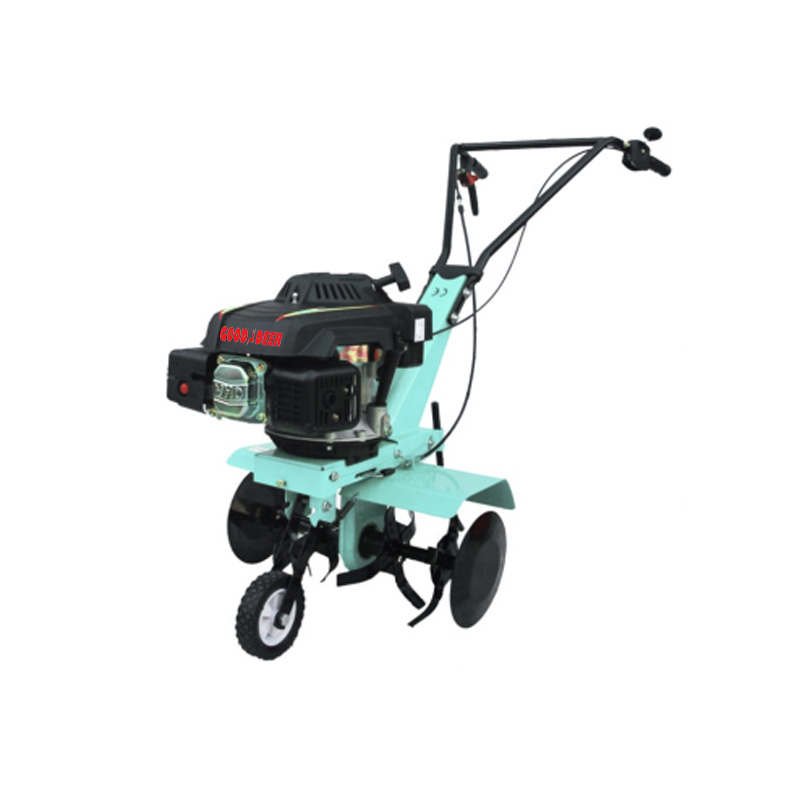
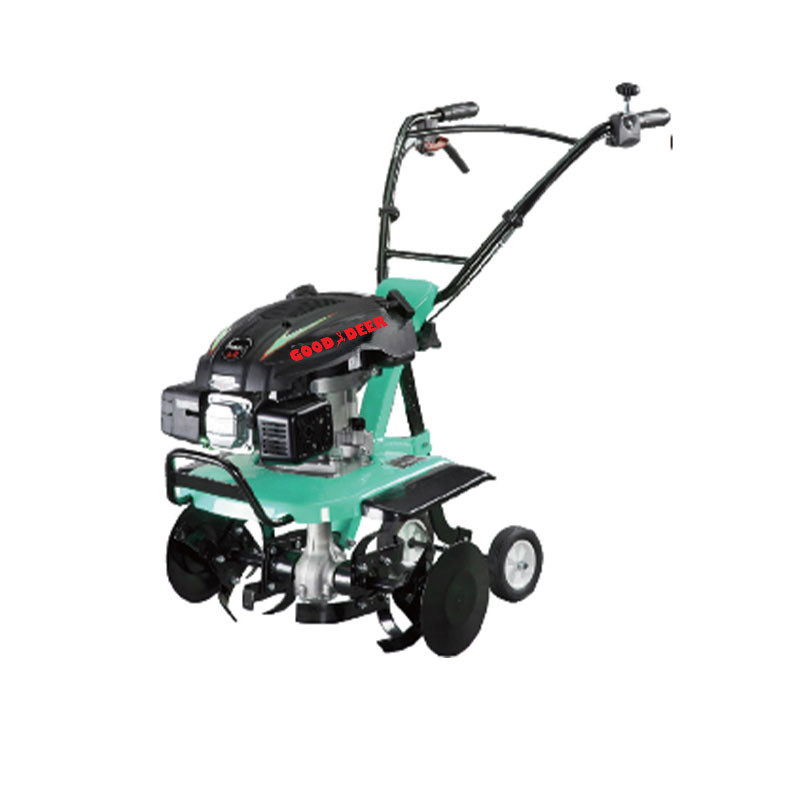
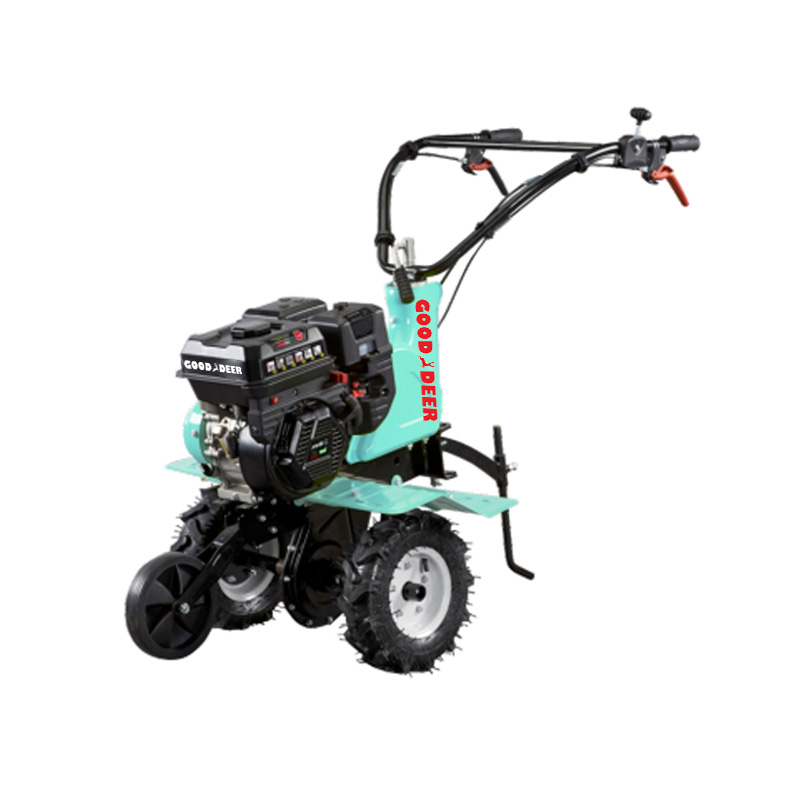
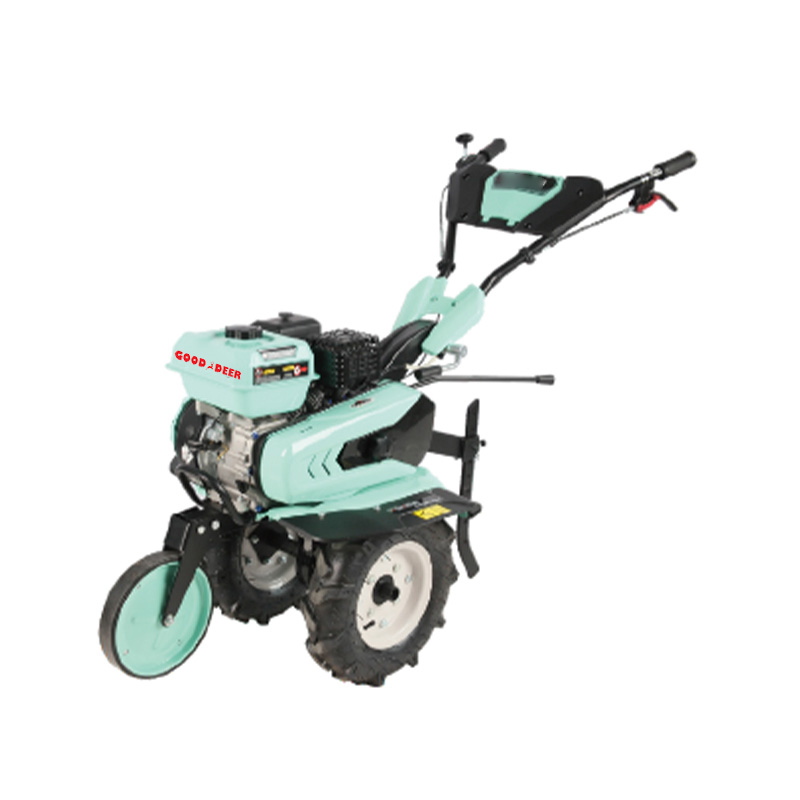
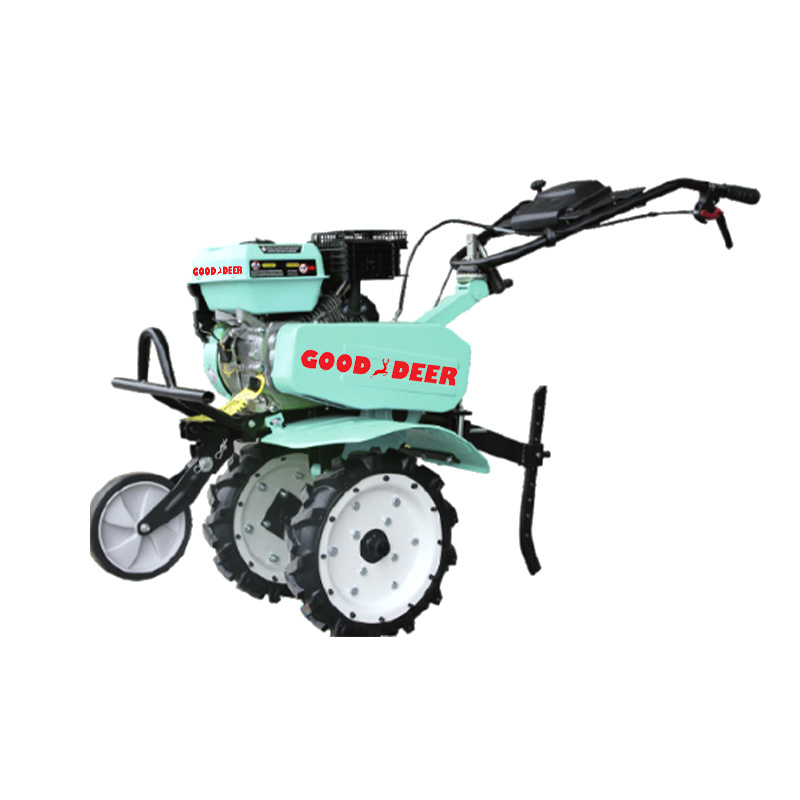
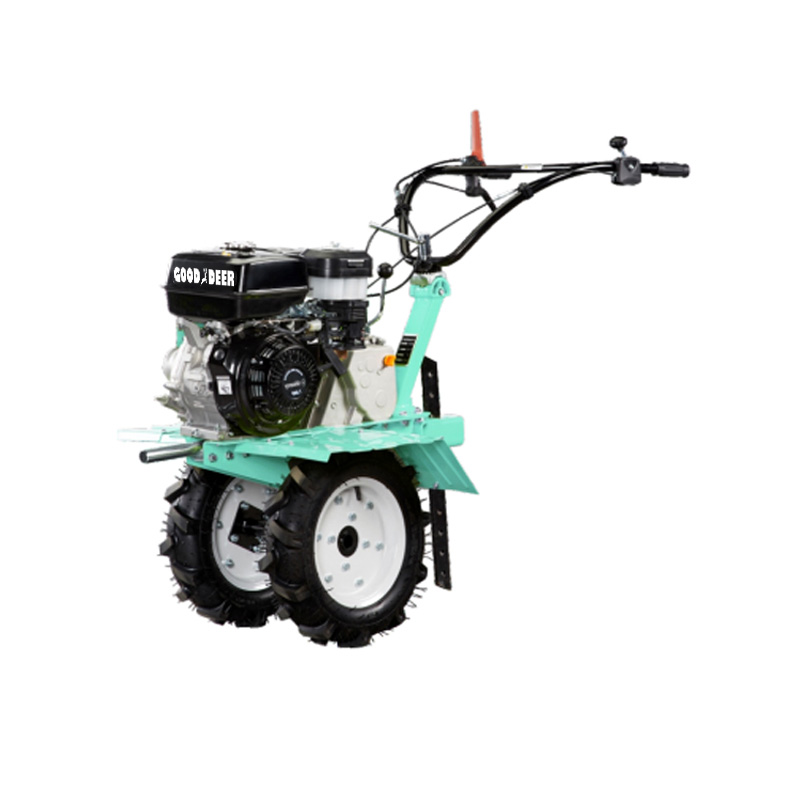
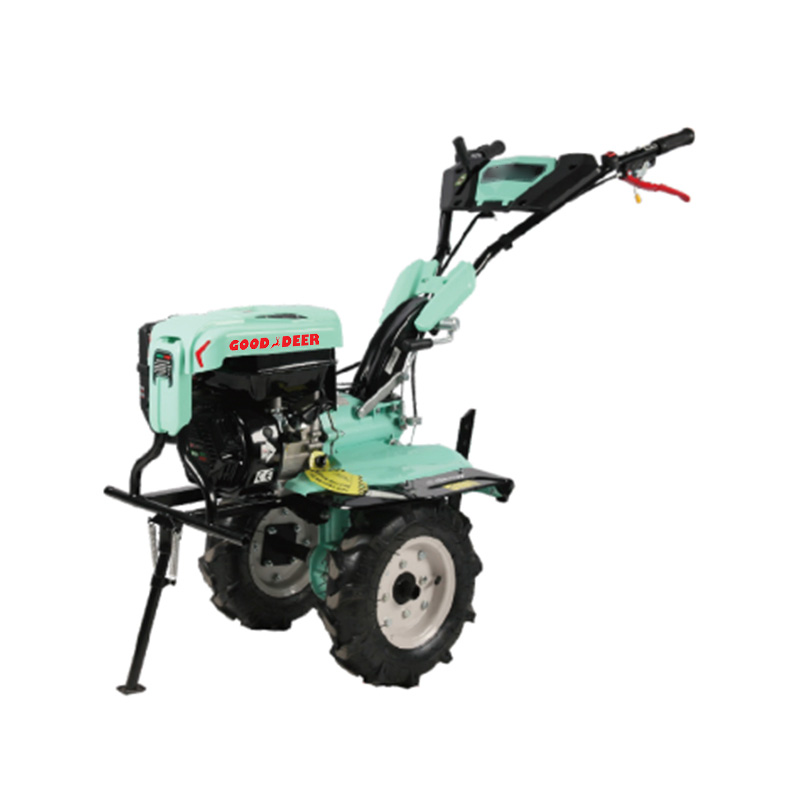
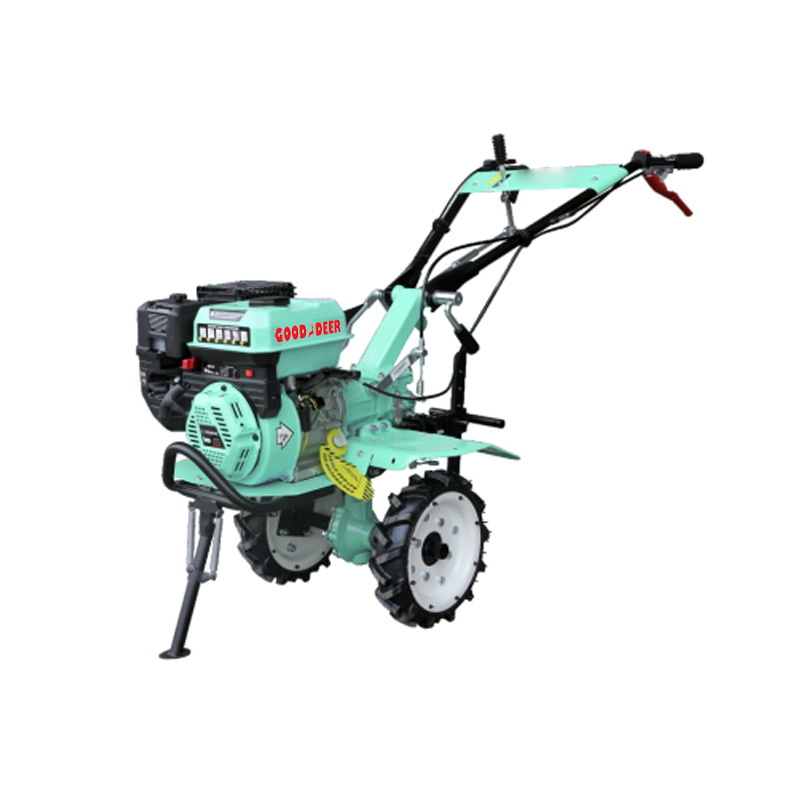
Maintenance and Care Precautions for Small Agricultural Rotary Tillers
Regular Inspection of the Engine
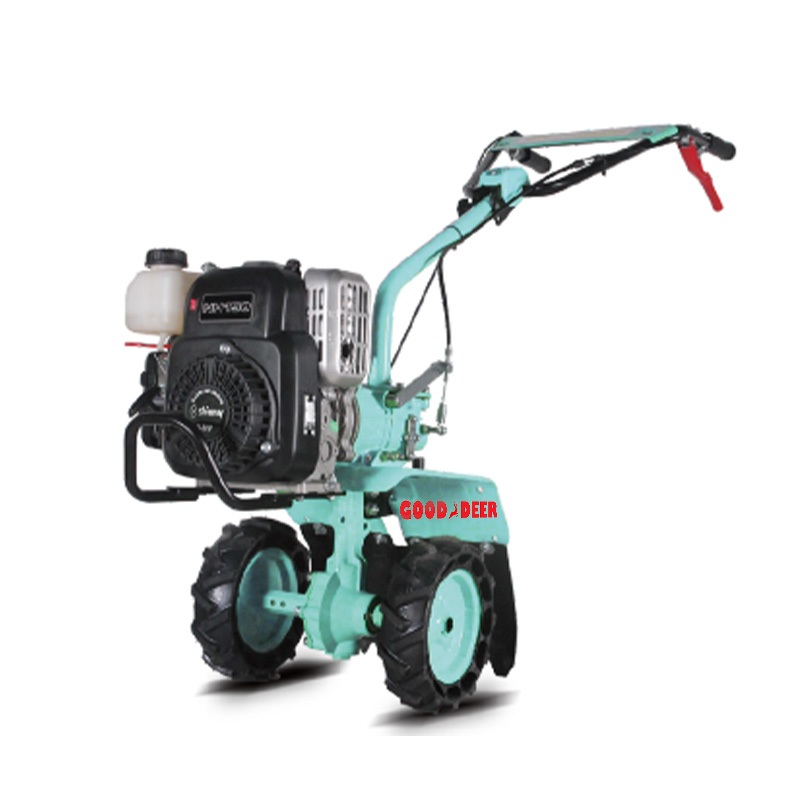
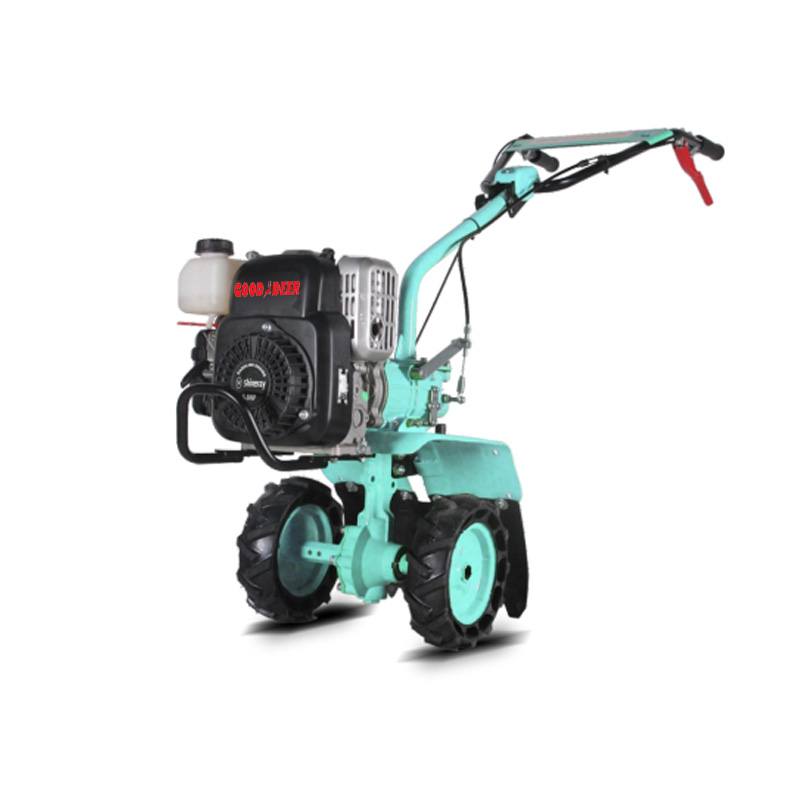
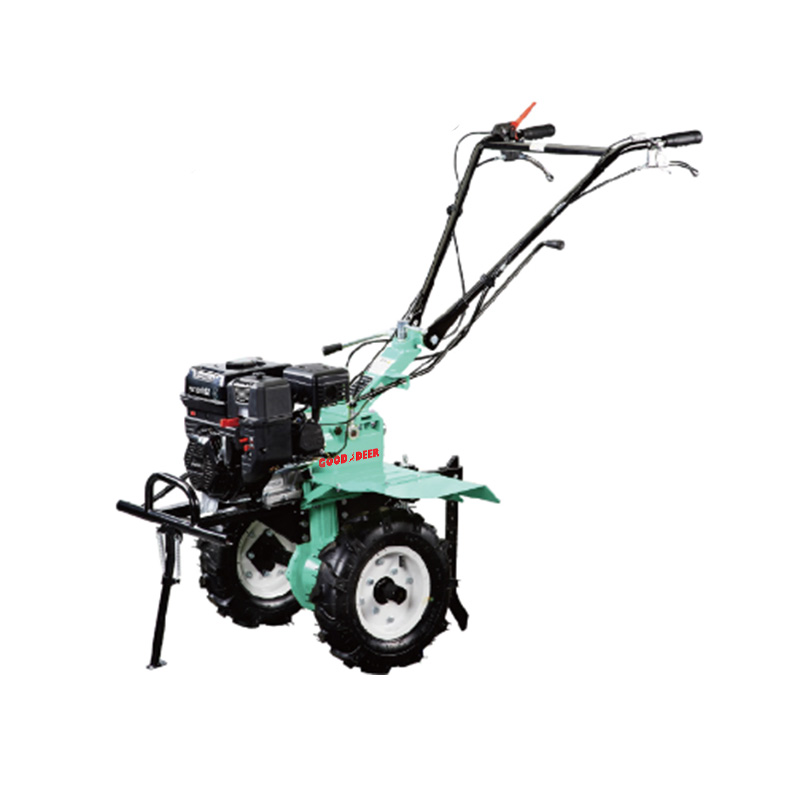
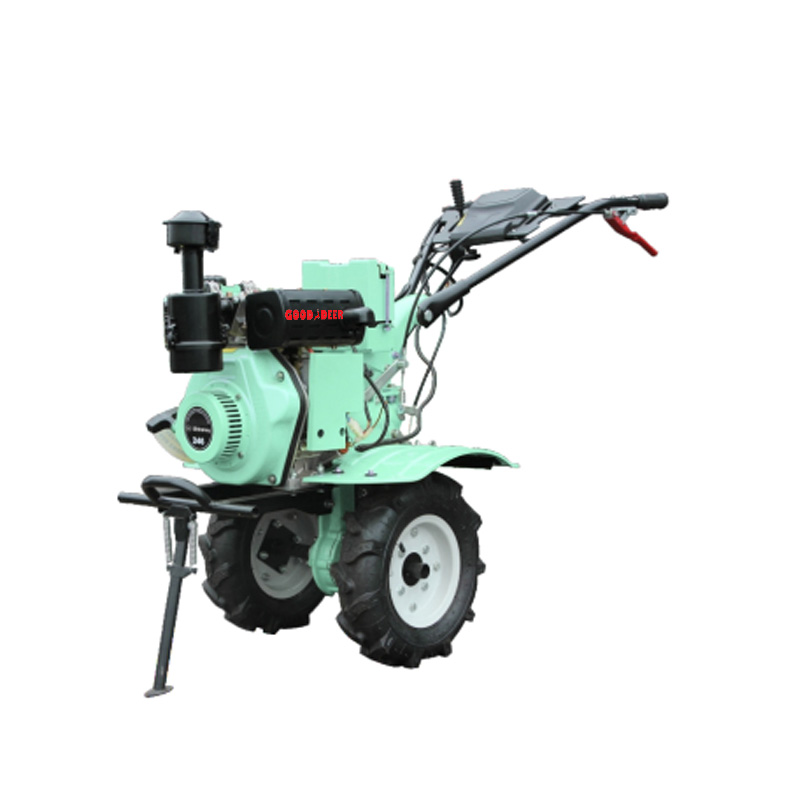
Maintaining the engine of a small agricultural rotary tiller is crucial to ensure optimal performance. Regular checks of the engine's oil level and its condition are essential to prevent overheating and potential damage. Gooddeer offers high-quality rotary tillers designed with reliable engines that require minimal maintenance. However, ensuring that the engine is clean and free of debris will prolong its life. Additionally, replacing the engine oil and air filters according to the manufacturer’s guidelines will keep the engine running efficiently. It is also important to check the fuel system regularly for leaks or signs of wear.
Cleaning the Rotary Tiller After Each Use
After each use, it is essential to clean the rotary tiller thoroughly. This includes removing any soil, plant matter, or debris that may have collected around the tilling blades and other moving parts. Accumulated dirt can lead to the equipment malfunctioning, causing a reduction in performance. Using a brush to remove soil from the blades and other components is an effective way to ensure that the tiller remains in good condition. Gooddeer’s tillers are designed to be easy to clean, helping to maintain their performance over time.
Checking and Maintaining the Tilling Blades
The tilling blades of a small agricultural rotary tiller are critical to its performance, and they should be checked regularly for wear and tear. If the blades become dull, they will not function as effectively, which can result in a poor tilling performance. Blades should be sharpened regularly, and any damaged or bent blades should be replaced immediately. Gooddeer’s rotary tillers come with durable, high-quality tilling blades that are designed to withstand long-term use in various soil conditions, but regular maintenance is still important for maintaining optimal performance.
Lubricating the Moving Parts
All moving parts of the rotary tiller, such as the drive shaft, gearbox, and tilling blades, should be lubricated regularly to prevent friction and wear. Lubrication ensures that these parts operate smoothly, reducing the risk of overheating and prolonging the life of the equipment. Gooddeer recommends using high-quality lubricants to ensure maximum efficiency. Be sure to check the grease levels regularly, particularly before each use, to ensure that all moving parts are properly lubricated.
Checking the Tires and Wheels
Since small agricultural rotary tillers are often used in rugged terrains, the tires and wheels should be checked regularly for wear, damage, or loss of air pressure. Proper tire maintenance ensures better stability and maneuverability, especially when working on uneven ground. If any punctures or damage are detected, it is important to replace the tires promptly to avoid safety risks and ensure the smooth operation of the tiller. Gooddeer’s tillers are equipped with durable tires designed to handle tough conditions, but regular checks will help maintain their integrity.
Proper Storage of the Rotary Tiller
When not in use, it is important to store the small agricultural rotary tiller in a dry, clean, and sheltered location to prevent rust and corrosion. Ensure that the machine is not exposed to moisture, which could damage the engine and other metal parts. If the rotary tiller is to be stored for an extended period, it is advisable to drain the fuel tank to avoid the risk of fuel degradation. Additionally, covering the equipment with a protective cover can prevent dust and debris from accumulating, ensuring that the tiller is ready for the next use. Gooddeer provides storage solutions to help you maintain your tiller in excellent condition during off-seasons.
Inspecting the Hydraulic System
If your small agricultural rotary tiller has a hydraulic system, it is crucial to check the fluid levels regularly. The hydraulic system powers various components of the tiller, and if it is not functioning properly, the performance of the tiller may be compromised. Ensure that the hydraulic fluid is clean and at the recommended level, and replace any worn-out seals or hoses. Gooddeer offers rotary tillers with hydraulic systems that are designed for reliability, but regular checks and maintenance will help maximize their efficiency and lifespan.
Servicing the Air Filter and Cooling System
Maintaining a clean air filter is essential for the engine’s performance. A clogged air filter can restrict airflow to the engine, causing it to overheat or reduce its efficiency. Clean the air filter regularly and replace it when necessary. In addition, make sure the cooling system is functioning correctly to prevent the engine from overheating. Check the cooling fins and clean them to ensure proper airflow. Gooddeer’s rotary tillers are designed with efficient cooling systems, but keeping them clean will ensure long-term reliability.
FAQ
Q: How do I choose the right size of small agricultural rotary tiller for my farm?
A: Choosing the right size of small agricultural rotary tiller depends on the size of the area you need to cultivate. Gooddeer offers a range of models suitable for small to medium-sized farms. For small plots, a compact model will suffice, while larger areas may require a more powerful tiller. Consider factors like soil type, terrain, and the depth of tilling you require when selecting the appropriate model.
Q: What types of soil are suitable for use with a small agricultural rotary tiller?
A: Small agricultural rotary tillers are versatile and can be used on various types of soil, including sandy, loamy, and clay soils. However, they perform best on softer soils that are not overly compacted. For rocky or heavily compacted soils, a more powerful tiller may be necessary to achieve optimal results. Gooddeer provides rotary tillers designed for ease of use on diverse soil types, making them a great choice for most agricultural needs.
Q: Can a small agricultural rotary tiller be used for tasks other than tilling?
A: Yes, many small agricultural rotary tillers are versatile and can be used for other tasks, such as aerating the soil, leveling the ground, or mixing compost into the soil. Gooddeer’s models come with attachments that allow them to perform various functions beyond tilling. Be sure to check the specifications of your model to see which additional tasks it can handle.
Q: How long can I expect a small agricultural rotary tiller to last with regular use?
A: The lifespan of a small agricultural rotary tiller largely depends on how well it is maintained and the frequency of use. With proper care, including regular cleaning, lubrication, and timely repairs, Gooddeer’s rotary tillers are designed to last for several years. Typically, you can expect a well-maintained tiller to last anywhere from 5 to 10 years, depending on usage and maintenance.
Q: Is it easy to operate a small agricultural rotary tiller?
A: Small agricultural rotary tillers are designed to be user-friendly, even for those with limited experience in using agricultural machinery. Gooddeer’s models feature ergonomic designs that allow for comfortable handling. Additionally, many of our rotary tillers come with adjustable controls to suit the user’s preference. However, like any machinery, it is important to read the manual thoroughly and practice proper operation techniques to ensure safety and efficiency.
Q: How do I store my small agricultural rotary tiller when it's not in use?
A: When not in use, it’s essential to store your small agricultural rotary tiller in a dry, sheltered place to protect it from rust and weather damage. Gooddeer recommends covering your rotary tiller with a protective tarp or storing it in a shed. If you plan to store the tiller for an extended period, consider draining any fuel from the tank and performing a thorough cleaning to prevent dirt and debris buildup.
Q: What is the fuel efficiency of a small agricultural rotary tiller?
A: The fuel efficiency of a small agricultural rotary tiller depends on the engine size and the workload. Gooddeer’s rotary tillers are designed to provide excellent fuel efficiency for tasks such as tilling and soil aeration. While fuel consumption varies based on factors like the size of the land being worked and the tiller’s engine power, regular maintenance and using the tiller in optimal conditions can help maintain good fuel efficiency.


 English
 русский
 Español
 عربى
عربى