Transportation and Storage Conditions for Square Balers
Proper Transportation Methods for Square Balers
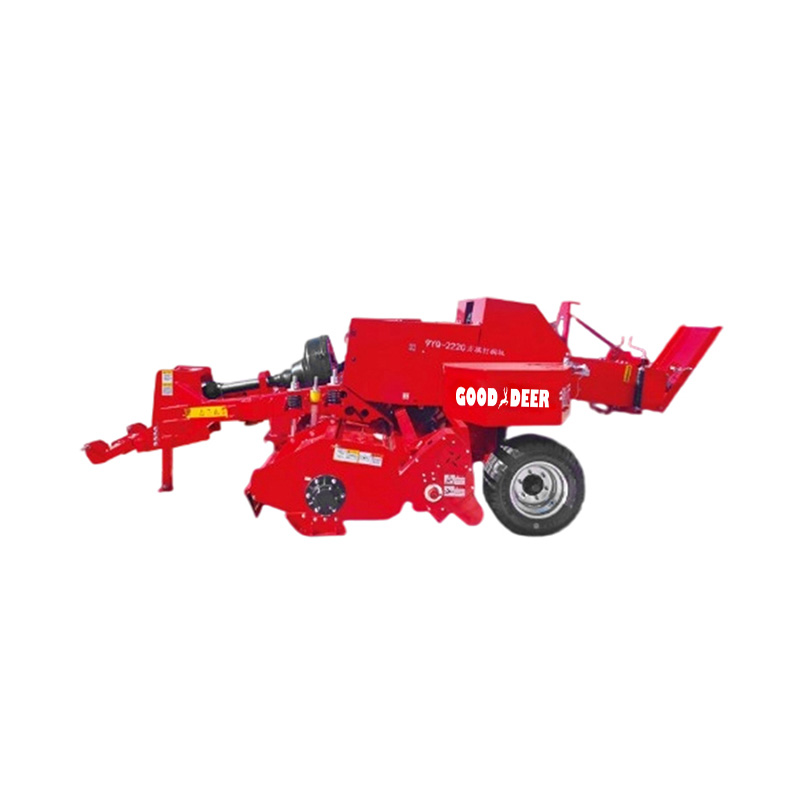
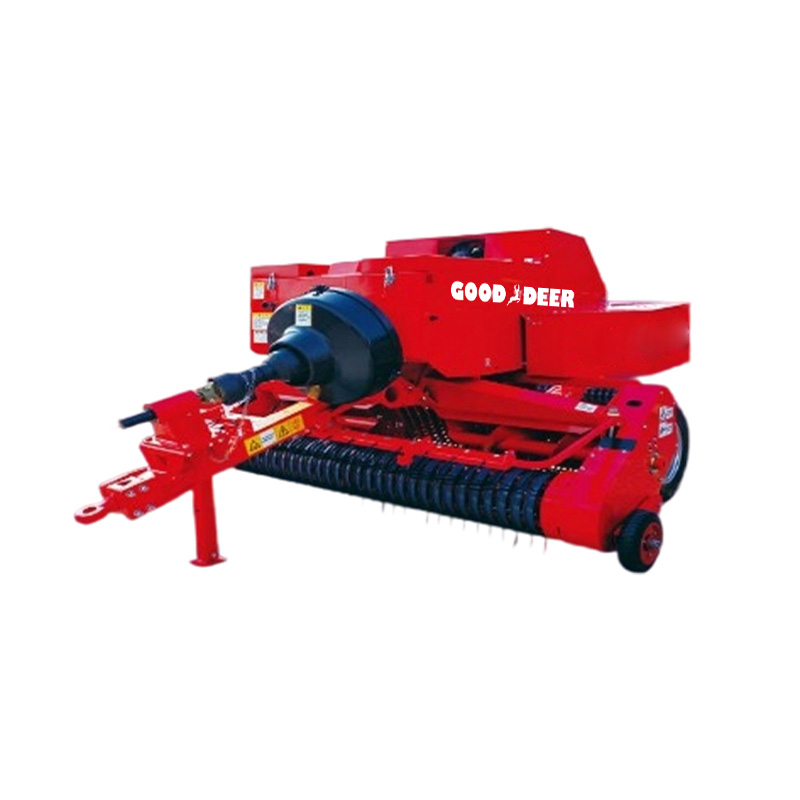
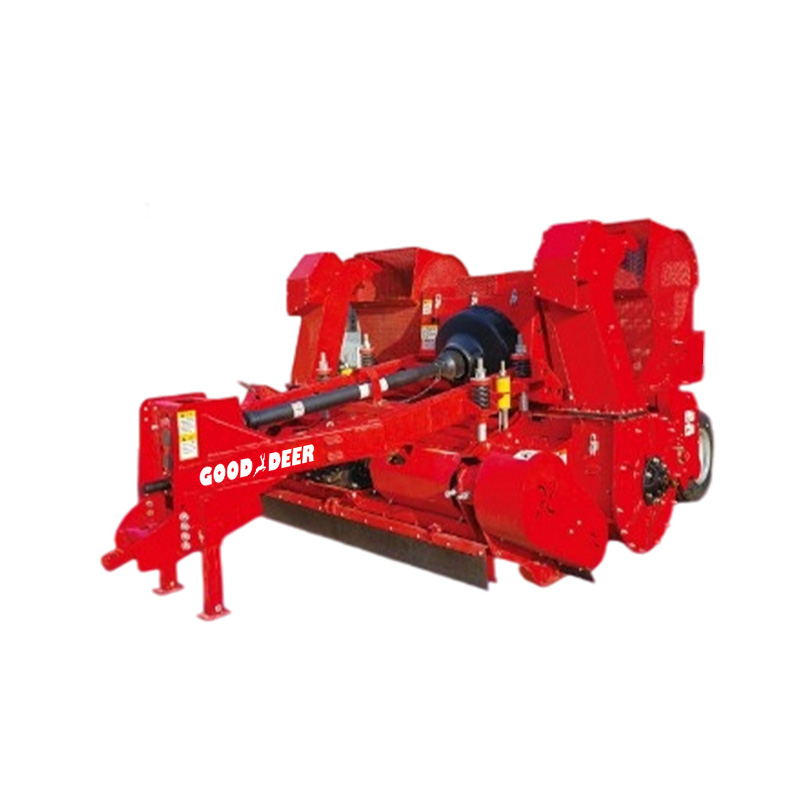
Transportation of square balers requires careful handling to ensure that the machine reaches its destination in optimal condition. When transporting square balers, it is essential to use suitable trailers or flatbeds that are capable of accommodating the size and weight of the equipment. The baler should be securely fastened to prevent any movement during transit, as sudden shifts could lead to damage. Using tie-down straps or chains is recommended to prevent the baler from tipping over or shifting. It is important to check the weight distribution on the transport vehicle to ensure balance and stability. Additionally, when transporting over long distances, it is advisable to cover the baler to protect it from environmental factors such as rain, dust, and debris.
Handling Square Balers During Transportation
Proper handling of square balers during transportation is crucial to avoid damage. When loading or unloading a baler from the transport vehicle, always ensure that the equipment is lifted using the designated lifting points. Use forklifts or cranes if necessary, and ensure that they are capable of safely lifting the weight of the machine. Care should be taken not to drop the equipment or cause any impact that could harm its structural components. If the baler is being transported to a farm or construction site, ensure the route is clear of obstacles that could impede safe movement.
Storage Conditions for Square Balers
Proper storage is essential to maintaining the functionality and longevity of square balers. Ideally, square balers should be stored in a dry, cool, and well-ventilated area. A storage shed or barn is suitable, as it will provide protection from the elements and prevent exposure to rain, snow, and excessive humidity, which can lead to rusting and corrosion. If a sheltered storage area is not available, it is important to use protective covers made from waterproof materials to shield the baler from moisture. During storage, ensure that the baler is placed on a stable surface and is kept away from direct contact with the ground to prevent water or moisture accumulation that can damage the components.
Maintenance Considerations During Storage
When storing square balers for extended periods, it is advisable to carry out some basic maintenance to ensure the equipment is in good condition when it is ready for use. Before storing the baler, clean it thoroughly to remove any remaining hay, straw, or dirt, as these can cause rusting or attract pests. Lubricate all moving parts, such as chains, rollers, and bearings, to prevent them from seizing up during storage. Additionally, ensure that the hydraulic system is drained if necessary, and that the oil levels are checked. If the baler has been used extensively during the season, it may also be beneficial to replace any worn-out components before storing the machine for the off-season.
Temperature and Humidity Control During Storage
Temperature and humidity control are crucial factors when storing square balers. Extreme temperatures, whether hot or cold, can have detrimental effects on the machine’s components. For example, freezing temperatures can cause fluids to thicken or freeze, while excessive heat can lead to the degradation of rubber and plastic parts. It is recommended that square balers be stored in areas where the temperature is controlled and consistent. Humidity control is equally important, as excess moisture can lead to corrosion and rust formation on metal parts. Using dehumidifiers or moisture-absorbing materials in the storage area can help maintain an optimal environment for the baler.
Transport and Storage Precautions for Long-Term Storage
If the square baler is to be stored for a prolonged period, such as during the off-season, additional precautions should be taken. It is important to elevate the baler slightly off the ground to prevent the formation of moisture pockets underneath. This can be done using wooden pallets or other supports. Additionally, tires should be checked and inflated to the recommended pressure to prevent flat spots from forming. It is also recommended to periodically inspect the baler during storage, even if it is not in use, to ensure that no issues, such as rust or mechanical wear, develop during the storage period.
Proper Storage and Transportation
Proper transportation and storage of square balers are essential to maintaining their performance and extending their service life. By following appropriate loading and unloading procedures, storing the baler in a suitable environment, and conducting routine maintenance checks, you can ensure that your square baler remains in good working condition for many years. Additionally, understanding the specific storage and transportation needs of different models, especially for large-scale operations, will contribute to reducing the risk of damage and enhancing overall operational efficiency.
FAQ
Q: What are the key factors to consider when selecting a square baler for farm use?
A: When selecting a square baler, several factors need to be considered to ensure it meets your farm's needs. These include the size of the bales, the type of crop being baled (e.g., hay, straw, or grass), and the desired bale density. Additionally, the baler's operational capacity and speed, as well as its compatibility with your tractor's horsepower, should be evaluated. Other considerations include the machine's durability, ease of maintenance, and its ability to handle varying weather conditions.
Q: How can I ensure the proper maintenance of a square baler to extend its lifespan?
A: Proper maintenance is crucial for extending the lifespan of your square baler. Regularly check the baler's moving parts, such as the knotters, rollers, and bearings, for wear and tear. Clean the machine after each use to remove debris, hay, or straw that can cause rusting or clogging. Lubricate the necessary parts and inspect the hydraulic system for any leaks. Periodic inspections of the belts and chains are also important to ensure they are functioning properly.
Q: How can I improve the efficiency of my square baler during peak harvest seasons?
A: To improve the efficiency of your square baler, ensure that it is well-maintained before the harvest season begins. Check for any worn-out parts and replace them as needed. Make sure that the tractor and baler are properly matched in terms of horsepower and compatibility. Additionally, adjusting the bale tension and speed settings according to the crop type can help improve performance. Keeping the machine clean and free of blockages during use will also enhance its efficiency.
Q: What types of crops are square balers best suited for?
A: Square balers are versatile machines used for baling a wide range of crops, including hay, straw, alfalfa, and grass. They are particularly suited for crops that require tight, compact bales for easy storage and transportation. However, the machine's performance may vary depending on the crop's moisture content, size, and density. For instance, square balers are ideal for crops like hay and straw that are dried and compacted into manageable bundles.
Q: Can a square baler handle different moisture levels in crops?
A: Square balers can handle varying moisture levels in crops, but it is important to adjust the baler settings accordingly. Baling crops with high moisture content may require more frequent adjustments to avoid creating wet bales that can spoil or mold. On the other hand, dry crops may need higher pressure settings to achieve the desired bale density. It’s also important to ensure the baler's components, such as the knotters, are in good condition to handle moisture fluctuations without causing jams or misfires.
Q: How do I choose between a small square baler and a large square baler?
A: The decision between a small square baler and a large square baler primarily depends on the scale of your operations and the desired bale size. Small square balers are more suited for small to medium-sized farms, producing bales that are easier to handle and transport. Large square balers, on the other hand, are designed for high-volume operations and produce bigger, heavier bales, which are ideal for large-scale farms or commercial operations. Consider your storage and transportation capabilities as well as the type of crops you are baling when making this decision.
Q: What are the advantages of using a square baler over other types of balers?
A: Square balers offer several advantages over other types of balers. They produce uniform and compact bales that are easy to stack, store, and transport. Their rectangular shape makes them ideal for use in applications where the bales need to be handled manually or stored in tight spaces. Additionally, square balers are versatile and can handle various crops, providing a higher level of efficiency and consistency compared to round balers, especially for smaller-scale operations.


 English
 русский
 Español
 عربى
عربى