What are the key features and advantages of automatic round balers?
Automatic Round Balers: An Overview
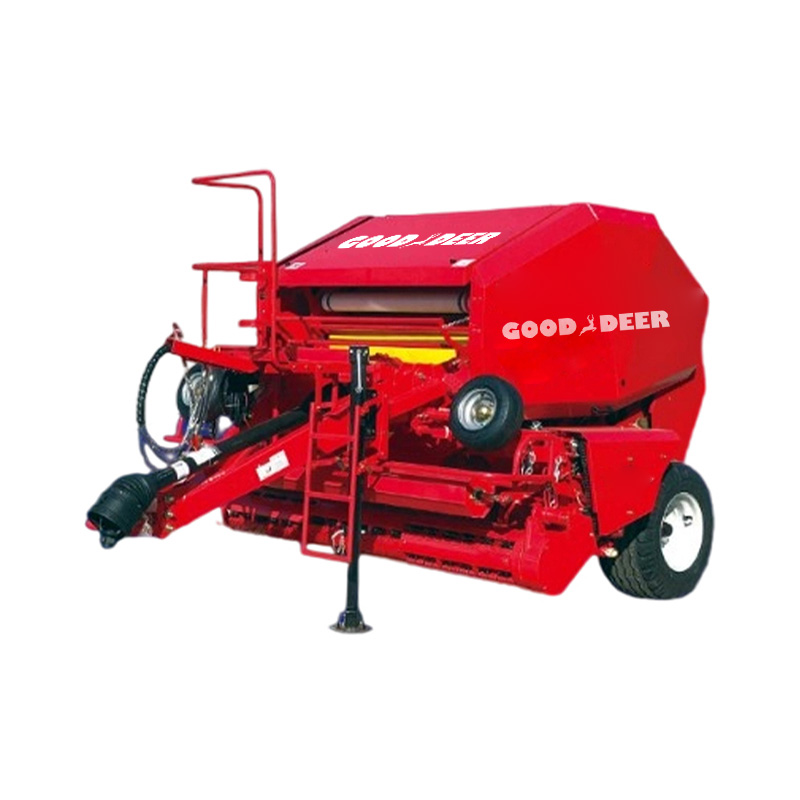
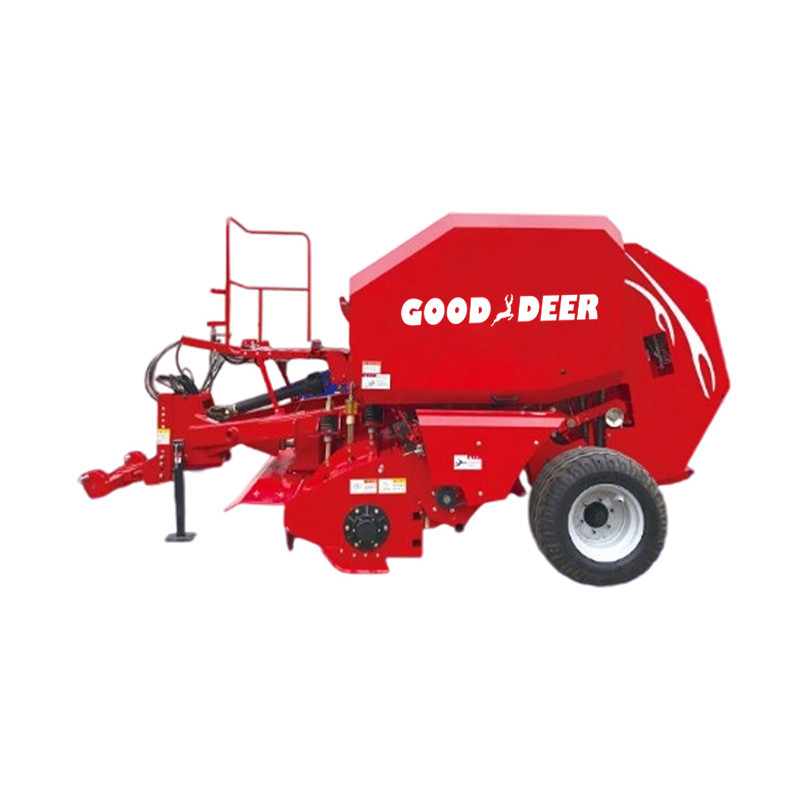
Automatic round balers are essential machinery in modern agricultural operations, designed to efficiently compress and bundle crops like hay, straw, and silage into round bales. These machines operate with minimal manual intervention, automating several processes to increase productivity and reduce labor costs. As a leading provider of agricultural machinery, Gooddeer offers a range of baling equipment designed to meet the varying needs of farmers and agricultural businesses.
Key Features of Automatic Round Balers
Automatic round balers come equipped with several advanced features that enhance their functionality and ease of use. One of the main features is the automatic bale formation system, which allows the machine to collect and compress the crop material into tight, uniform bales without manual intervention. The baler’s hydraulic system plays a crucial role in controlling the pressure and density of the bales, ensuring consistent results.
Another important feature is the automatic wrapping or netting system. This system ensures that the bales are securely wrapped with netting or twine, which is an essential part of the baling process. The wrapping process helps to protect the bales from weather conditions, such as rain or sun, which can lead to spoilage. Furthermore, many automatic round balers are equipped with real-time monitoring systems, allowing operators to track the baler’s performance and detect any potential issues early.
Increased Efficiency and Time Savings
One of the main advantages of automatic round balers is their ability to save time during the baling process. These machines are designed to operate quickly, allowing farmers to bale large quantities of material in a shorter period. The automatic bale formation and wrapping systems minimize the need for manual labor, enabling farmers to focus on other tasks. Additionally, the high operational speed of these balers reduces the time spent on each bale, leading to greater efficiency and productivity in the field.
Improved Bale Quality and Consistency
Automatic round balers are designed to produce high-quality, uniform bales with consistent density. The precision of the baling process ensures that the bales are tightly compressed, which helps to preserve the quality of the crop. The uniformity of the bales also makes them easier to handle, store, and transport. This consistency in bale quality is especially important for farmers who need to meet specific market requirements for their products.
Reduced Labor Requirements
By automating much of the baling process, automatic round balers significantly reduce the labor required on the farm. Farmers no longer need to manually tie or wrap the bales, which can be a time-consuming task. This reduction in labor allows agricultural businesses to operate more efficiently and reduce overall operating costs. In addition, the ease of use of these machines minimizes the training time needed for operators, allowing farms to quickly integrate the equipment into their workflow.
Durability and Reliability
Automatic round balers are designed for durability and reliability, even under tough field conditions. The robust construction of these machines ensures that they can handle various crop types and weather conditions, providing long-term performance. Gooddeer’s automatic round balers are built to withstand heavy-duty use, reducing downtime and increasing operational uptime for agricultural businesses. Regular maintenance is key to ensuring the longevity of these machines, and Gooddeer offers support and guidance on proper care and upkeep.
Cost-Effectiveness and Long-Term Investment
While automatic round balers may involve a higher initial investment compared to manual balers, their long-term benefits make them a cost-effective choice for many farmers. The increased efficiency, reduced labor costs, and improved bale quality help offset the initial expense over time. Additionally, the durability and reliability of these machines reduce the need for frequent repairs and replacements, providing a solid return on investment. Farmers can rely on automatic round balers to deliver consistent performance year after year, making them a valuable asset in the long term.
FAQ
Q: How does an automatic round baler improve the efficiency of baling operations?
A: Automatic round balers streamline the baling process by reducing the need for manual intervention. With automatic bale formation and wrapping systems, they can handle large volumes of material quickly and efficiently, allowing farmers to process more bales in less time. This results in increased productivity and less labor required on-site, especially in large-scale operations.
Q: What are the maintenance requirements for an automatic round baler?
A: To ensure the long-term performance of an automatic round baler, regular maintenance is necessary. Key maintenance tasks include checking and lubricating the moving parts, inspecting the hydraulic system for leaks or damage, cleaning the machine to prevent clogging, and replacing worn-out parts such as belts and rollers. Following the manufacturer's recommended service intervals helps keep the machine operating smoothly and extends its lifespan.
Q: Can an automatic round baler be used for different types of crops?
A: Yes, automatic round balers are versatile and can handle a variety of crops, including hay, straw, silage, and other dry or moist materials. The baler’s adjustable settings allow it to adapt to different crop densities and sizes, ensuring efficient and consistent bale formation across various crop types. This flexibility makes the baler suitable for diverse agricultural operations.
Q: How do automatic round balers improve the quality of bales?
A: Automatic round balers ensure consistent and uniform bale formation by automatically adjusting the pressure and density settings. This results in tightly packed bales that are easy to store and transport. The uniformity also helps prevent waste and ensures that the crop remains in good condition, as the tightly sealed bales are less susceptible to spoilage or deterioration from external conditions like weather.
Q: Are automatic round balers suitable for small farms or only large-scale operations?
A: Automatic round balers can be used effectively on both small and large farms. While larger farms may benefit from the high throughput and automation, small farms can also take advantage of the increased efficiency and ease of use. These balers are designed to handle varying field sizes, making them a practical solution for farms of all scales.
Q: How does an automatic round baler reduce labor costs?
A: By automating much of the baling process, including bale formation and wrapping, an automatic round baler minimizes the labor required to handle crops. This reduces the need for additional personnel to manually tie or wrap bales, which saves both time and money. Farmers can focus their labor resources on other tasks, increasing overall efficiency in their operations.
Q: What safety precautions should be taken when operating an automatic round baler?
A: When operating an automatic round baler, safety is paramount. Operators should always follow the manufacturer’s instructions and wear appropriate personal protective equipment (PPE), such as gloves and safety goggles. It’s important to keep hands and other body parts away from moving parts, ensure the machine is properly grounded, and regularly inspect the baler for any signs of damage or malfunction. Operators should also be trained in emergency shut-off procedures and basic maintenance practices to prevent accidents and ensure safe operation.


 English
 русский
 Español
 عربى
عربى