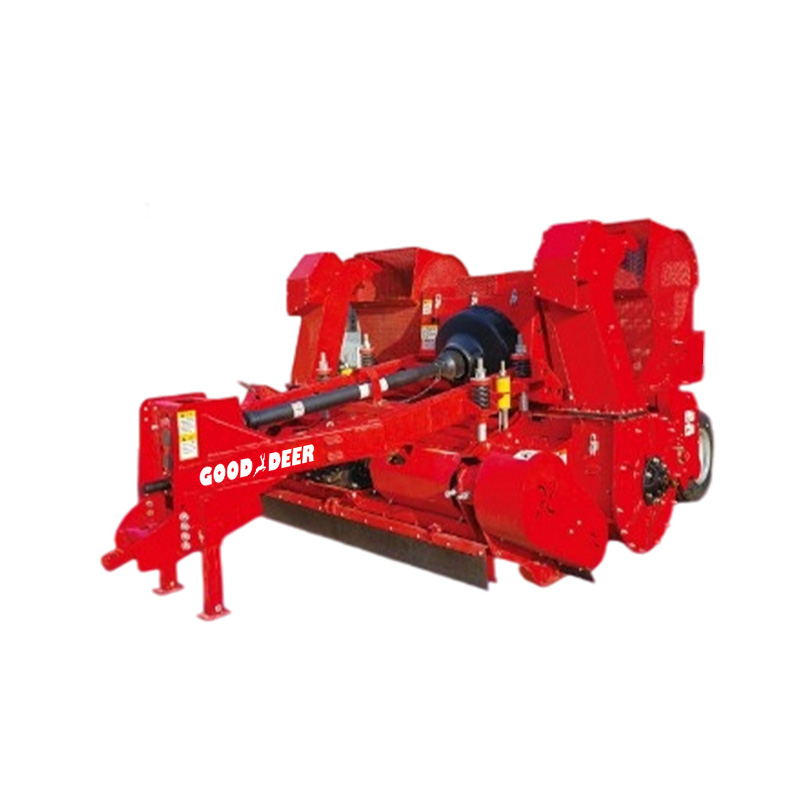
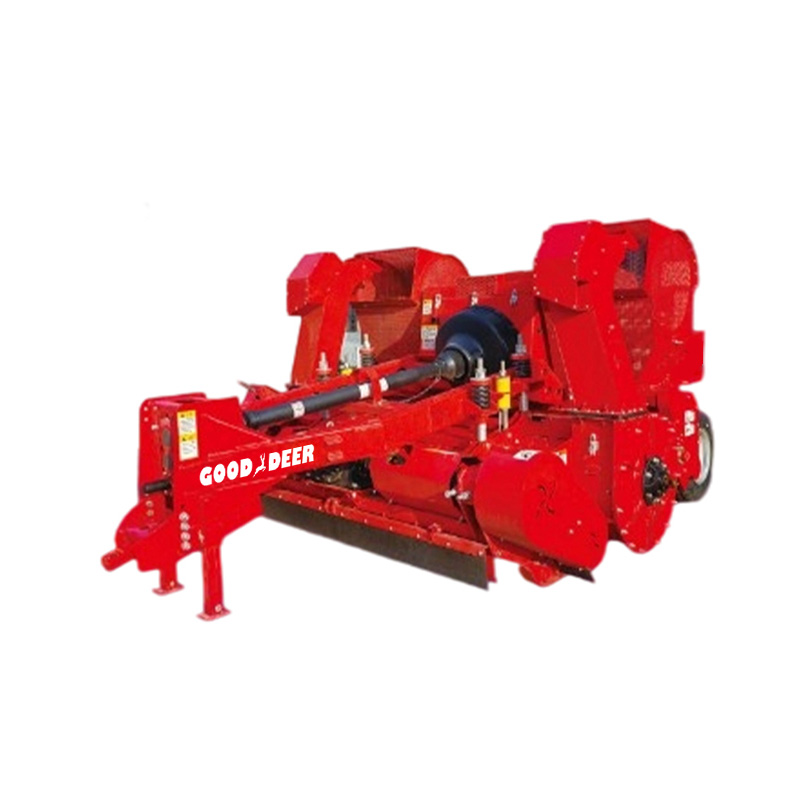
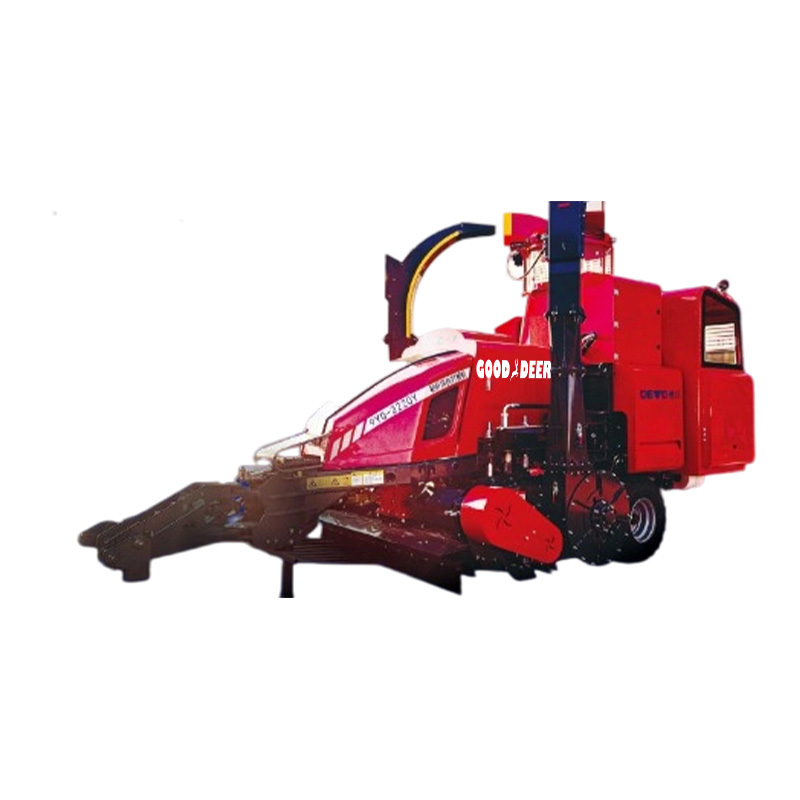
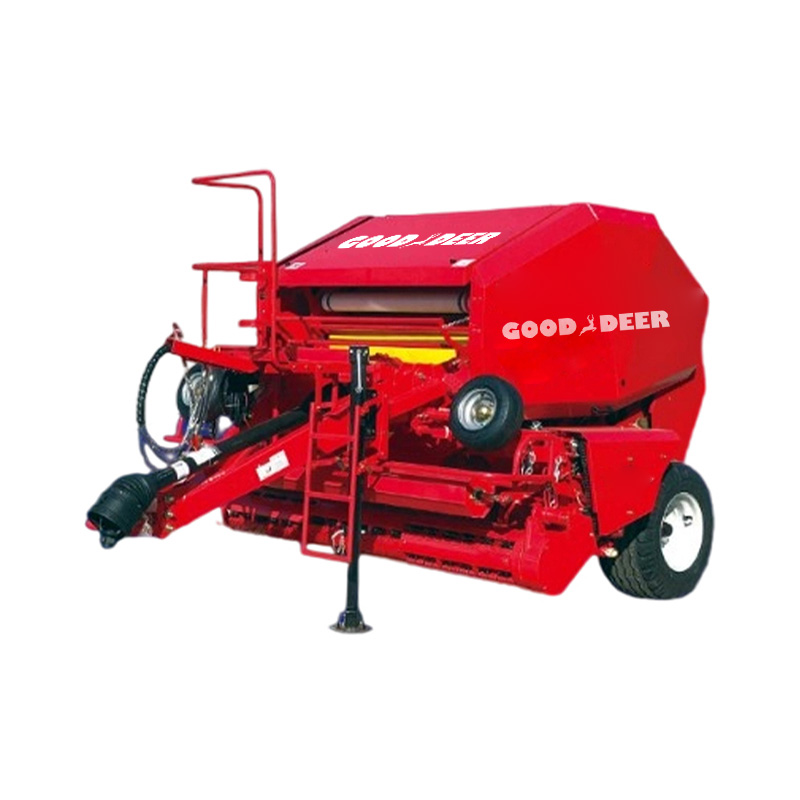
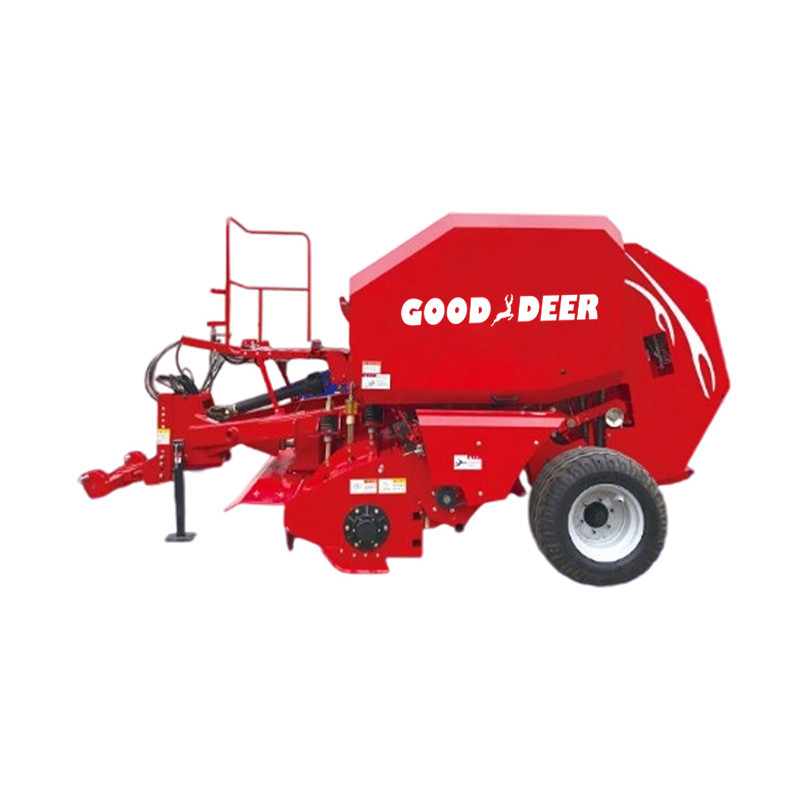
Key Points for the Maintenance and Upkeep of a Hay Rice Straw Grass Baler
Regular Cleaning and Inspection
Regular cleaning and inspection of your hay rice straw grass baler are essential to ensure that it continues to operate efficiently. Over time, dust, debris, and plant material can accumulate on the machinery, affecting its performance and causing unnecessary wear. After each use, it’s crucial to remove any excess plant matter from the baler, particularly in the areas where the twine or netting is fed through, as this can become clogged. Routine inspections should also include checking for signs of wear on moving parts, such as the pickup reel, augers, and belts, to prevent issues before they escalate into major repairs.
Lubrication of Moving Parts
The baler contains several moving parts that require lubrication to minimize friction and ensure smooth operation. Regular lubrication of parts such as the gears, chains, and bearings will extend the lifespan of the machine. Use high-quality grease and oil recommended by the manufacturer to prevent the buildup of contaminants that can affect the machine’s function. Pay attention to the manufacturer’s guidelines regarding lubrication intervals and quantities to maintain optimal performance.
Check the Twine or Netting System
The twine or netting system is one of the most important components of a hay rice straw grass baler, and ensuring it is in good working order is crucial for producing properly formed bales. Check the tension of the twine or netting to ensure it is neither too tight nor too loose, as both conditions can lead to poor bale formation or even damage to the baler. Regularly replace worn-out twine or netting, and inspect the feeding mechanism to make sure there are no blockages or misalignments that could prevent the system from working efficiently.
Monitor the Hydraulic System
The hydraulic system in a hay rice straw grass baler controls many important functions, such as bale compression and tieing. Maintaining the hydraulic system involves ensuring that the hydraulic fluid levels are sufficient and that the fluid is free from contaminants. Check the hoses for any signs of leaks or wear, and replace any faulty components as necessary. Keeping the hydraulic system in optimal condition is key to preventing costly breakdowns and ensuring that the baler operates at maximum efficiency.
Inspect the Pickup and Feeding System
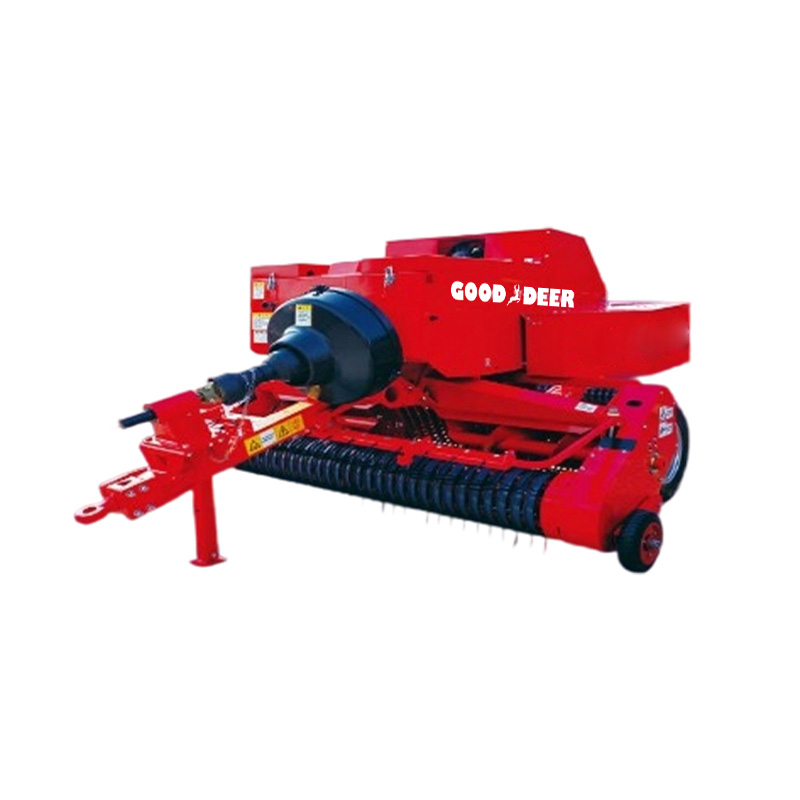
The pickup and feeding system plays a vital role in gathering and feeding hay, rice straw, or grass into the baler. Ensure that the pickup reel is functioning correctly and that all tines are in good condition, as damaged tines can lead to ineffective collection of the material. Periodically check the feeding system for any misalignments, blockages, or wear and tear that could reduce the efficiency of the baling process. Also, ensure that the drive belts are properly tensioned to maintain smooth operation.
Proper Storage of the Baler
Proper storage of the hay rice straw grass baler is an often overlooked aspect of maintenance but is essential for its longevity. When not in use, store the baler in a dry, sheltered area to protect it from the elements. Exposure to rain, snow, or harsh sunlight can cause rust and deterioration of parts, particularly metal components. If possible, store the baler on a raised surface to prevent water from accumulating under the machine. Before storing it for the offseason, ensure that all maintenance tasks have been completed, including cleaning and oiling, to avoid any issues when you start it up again.
Regular Calibration and Adjustment
To ensure the best performance of your hay rice straw grass baler, it’s important to regularly calibrate and adjust key components, such as the bale density and the size of the bale chamber. Incorrect settings can lead to poorly formed bales that are either too loose or too tightly packed. Follow the manufacturer’s guidelines to make adjustments as needed, and always check the bale formation throughout the baling process to ensure that the machine is working within optimal parameters. Calibration should also include verifying that the knotter or tying mechanism is functioning properly.
Keep a Record of Maintenance and Repairs
Maintaining a detailed log of all maintenance and repairs performed on the baler is a useful practice for ensuring the long-term health of the machine. This record helps track when components were last serviced, replaced, or repaired, allowing you to anticipate future needs and maintain a proactive approach to maintenance. Regularly update the log with notes on any issues that arise during operation and the steps taken to address them. This will also be helpful for resale or warranty purposes.
Choosing the Right Spare Parts
When replacing parts on the hay rice straw grass baler, always choose high-quality, compatible components. Using subpar or incompatible parts can lead to further damage and reduce the efficiency of the machine. It’s recommended to consult the manufacturer’s guidelines or an authorized dealer to ensure that you are selecting the right spare parts for your specific model. Regularly inspect wear parts like bearings, belts, and sprockets, and replace them promptly to avoid operational disruptions.
FAQ
Q: How do I choose the right size of hay rice straw grass baler for my needs?
A: Choosing the right size of baler depends on the volume of material you need to bale, as well as the desired size of the bales. Larger machines are suited for large-scale operations with high volumes, while smaller models may be more efficient for smaller fields or less frequent use. It’s also important to consider the horsepower of your tractor and the type of material (hay, rice straw, or grass) you’ll be baling. A balance between capacity, power, and bale size is key to achieving optimal performance and efficiency.
Q: Can a hay rice straw grass baler handle wet or damp material?
A: Most hay rice straw grass balers are designed to work with dry materials, but some models are capable of handling damp or slightly wet hay. However, baling wet material may cause clumping or improper bale formation, and it can increase wear on the baler. If you need to bale wet material regularly, it’s important to choose a baler that is specifically designed for such conditions. Always check the manufacturer’s recommendations for the type of material that your baler can handle.
Q: What is the optimal speed for operating a hay rice straw grass baler?
A: The optimal speed for operating a hay rice straw grass baler typically depends on the type of material and the terrain. In general, a moderate speed will provide the best balance between efficiency and bale quality. Operating too quickly can result in poorly formed bales or material clogging the machine, while operating too slowly may decrease productivity. It is important to follow the manufacturer’s guidelines for recommended speeds and adjust based on field conditions.
Q: How do I know when to replace the components of my hay rice straw grass baler?
A: Components of a hay rice straw grass baler, such as belts, bearings, and the pick-up mechanism, naturally wear over time. You should monitor these parts regularly for signs of wear, such as unusual noises, difficulty in bale formation, or increased maintenance requirements. A good rule of thumb is to replace parts that show visible signs of damage, excessive wear, or decreased performance. Additionally, keeping track of hours of use can help determine when replacement is due.
Q: Can a hay rice straw grass baler be used for different types of crops?
A: Yes, many hay rice straw grass balers are versatile enough to handle a variety of crops, such as hay, rice straw, and grass. However, the performance and efficiency can vary based on the type of material being baled. Some models may be better suited for particular crops, while others offer adjustable settings to accommodate different types of plant material. Always ensure the baler is set up correctly for the specific crop you are working with to avoid clogging or inefficient operation.
Q: What safety precautions should be taken when using a hay rice straw grass baler?
A: Safety is crucial when operating a hay rice straw grass baler. Always wear protective gear such as gloves, safety glasses, and hearing protection to avoid injury from moving parts and loud noises. Before operating the machine, ensure that all safety shields are in place, and check for any loose or worn parts that could cause malfunctions. Never attempt to clear blockages while the machine is running, and always follow the manufacturer’s safety instructions for operation and maintenance.
Q: How do I prevent blockages in my hay rice straw grass baler?
A: To prevent blockages, it’s important to regularly clean the baler after use and ensure that the pickup reel and feed system are in good working condition. Avoid baling material that is too wet or too dry, as this can cause clumping or uneven feeding. Make sure the material is evenly distributed across the pickup system to ensure smooth operation. If a blockage occurs, shut off the baler and clear the area before restarting to prevent damage to the machine.


 English
 русский
 Español
 عربى
عربى