What Are the Main Application Areas of Petrol Engine-Driven Screw Air Compressors?
Introduction to Petrol Engine-Driven Screw Air Compressors
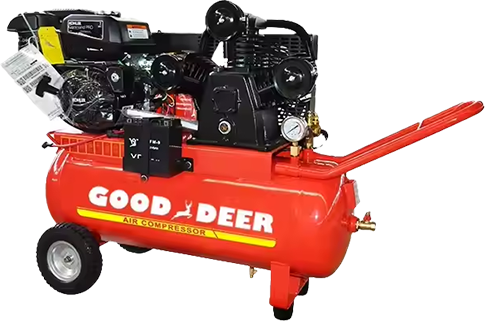
Gooddeer, as a leading industrial and trade enterprise, provides high-quality mechanical products and services across various sectors. Among our offerings, petrol engine-driven screw air compressors stand out due to their versatility, mobility, and efficiency. These compressors are ideal for applications that require portable compressed air solutions, especially in environments without reliable electricity sources. Petrol engine-driven screw air compressors are commonly used in industrial production, agricultural operations, and construction, where a stable air supply is necessary, but electricity may not always be available.
Construction Sites
Construction sites are one of the most common application areas for petrol engine-driven screw air compressors. On these sites, a continuous and reliable source of compressed air is required to power tools like pneumatic drills, hammers, and other heavy equipment. Petrol engine-driven screw air compressors provide the necessary portability to move across various areas of the site, ensuring that workers have access to compressed air wherever it is needed. The mobility of these compressors makes them perfect for projects located in remote areas or places where electrical power may be unavailable. Additionally, the high capacity and efficient operation of petrol-driven compressors ensure that construction equipment runs smoothly, even in demanding conditions.
Agricultural Operations
Agricultural operations, such as crop harvesting, irrigation, and livestock maintenance, also benefit from the use of petrol engine-driven screw air compressors. These compressors are used to power various pneumatic tools like sprayers, seeders, and irrigation systems, which require reliable compressed air for optimal performance. Since many agricultural operations are conducted in fields or rural areas without direct access to electricity, petrol-powered compressors provide the flexibility and portability needed to power equipment in these settings. Furthermore, the rugged nature of petrol engine-driven compressors makes them well-suited to withstand the challenging conditions of farming, including dirt, moisture, and fluctuating temperatures.
Outdoor Maintenance and Repairs
Another significant application of petrol engine-driven screw air compressors is in outdoor maintenance and repair operations. These compressors are often used by service technicians and maintenance workers in various industries, such as automotive repair, road maintenance, and HVAC services. The portable design of these compressors allows technicians to bring compressed air to remote or hard-to-reach locations, ensuring that they can perform tasks such as tire inflation, air-powered cleaning, and tool operation without the need for external power sources. Petrol engine-driven compressors are particularly useful for mobile repair teams that need to operate in diverse environments, such as on construction sites, agricultural fields, or remote locations where electricity may not be available.
Mining and Quarrying
Mining and quarrying operations rely heavily on compressed air for powering a wide variety of tools and machinery. Petrol engine-driven screw air compressors are commonly used in these industries due to their ability to deliver high-quality, continuous compressed air in remote locations where electrical infrastructure is often limited or absent. Whether it’s powering drilling equipment, rock crushers, or other pneumatic tools, these compressors provide a reliable air supply, improving productivity and efficiency. The portable nature of petrol engine-driven compressors allows them to be easily relocated within mining sites or quarries, offering flexibility in equipment usage while maintaining a steady supply of compressed air throughout operations.
Railway and Road Construction
In the railway and road construction sectors, petrol engine-driven screw air compressors are crucial for a variety of tasks. These compressors are used to power tools for track laying, road resurfacing, and other construction activities. They are also essential for operating compacting and jackhammer equipment, which are commonly used in roadwork and rail track maintenance. Since these construction projects are often located in areas where electrical supply is unreliable or unavailable, the petrol engine-driven screw air compressors are an ideal choice due to their self-sufficiency and mobility. Their ability to operate in tough, outdoor environments further enhances their appeal in infrastructure development.
Oil and Gas Industry
The oil and gas industry requires reliable and continuous access to compressed air, especially in remote exploration and drilling sites. Petrol engine-driven screw air compressors are used to power a range of pneumatic tools and machinery in these settings. These compressors are particularly useful in offshore platforms, exploration sites, and drilling locations, where electrical connections are scarce. Petrol-driven compressors can provide essential power for equipment such as pumps, drilling rigs, and safety systems, even in harsh environmental conditions. Their portability allows them to be moved between different stages of oil and gas extraction, ensuring a continuous operation while minimizing downtime.
Emergency and Backup Applications
In emergency situations, where compressed air is required immediately, petrol engine-driven screw air compressors offer a practical solution. These compressors are often used in emergency response operations, where access to electricity may be limited or unavailable. They can provide the necessary power for air tools used in rescue operations, firefighting, or disaster relief efforts. Their mobility and ease of deployment make them an essential tool for first responders and emergency teams that need a reliable source of compressed air in urgent situations. Additionally, they can serve as backup units during power outages, ensuring that critical operations continue even when the power grid is down.
FAQ
Q: What are the advantages of using a petrol engine-driven screw air compressor over other types of air compressors?
A: Petrol engine-driven screw air compressors are known for their portability and flexibility, making them ideal for applications in remote locations or areas without reliable electricity. Unlike electric-powered compressors, these models are self-sufficient, able to operate in harsh environments and on construction sites where mobility and adaptability are key. Additionally, they offer continuous airflow and require less maintenance, making them a durable and cost-effective solution for industries like construction, agriculture, and emergency services.
Q: How does the maintenance of a petrol engine-driven screw air compressor differ from other types of compressors?
A: The maintenance of a petrol engine-driven screw air compressor requires regular engine checks, including oil changes, air filter cleaning, and spark plug inspection to ensure optimal performance. Unlike electric models, petrol engines require attention to fuel and ignition system components. However, these compressors generally have fewer moving parts than piston compressors, which reduces wear and tear and lowers maintenance costs. Regular servicing and proper care can extend the lifespan of the unit.
Q: What type of fuel is typically used in a petrol engine-driven screw air compressor?
A: Petrol engine-driven screw air compressors are powered by gasoline (petrol), which is readily available and widely used for portable equipment. The choice of petrol as the fuel source allows for easy refueling, making these compressors highly mobile and suitable for operations in locations where electricity may not be available. It's important to use the recommended grade of petrol for optimal engine performance and to follow maintenance guidelines to prevent issues such as fuel contamination.
Q: Can a petrol engine-driven screw air compressor be used in cold weather conditions?
A: Yes, petrol engine-driven screw air compressors can be used in cold weather conditions, but precautions must be taken to ensure reliable performance. In colder climates, it's important to store the compressor in a warm location or use appropriate fuel additives to prevent the fuel from freezing. Additionally, the engine should be properly maintained, and the oil should be checked to ensure it remains fluid in low temperatures. Using the compressor in extremely cold conditions without taking these measures could lead to engine trouble or reduced efficiency.
Q: What kind of noise levels can be expected from a petrol engine-driven screw air compressor?
A: Petrol engine-driven screw air compressors generally produce a moderate level of noise due to the engine’s operation. The sound level can vary depending on the model and engine size, but compared to other types of compressors, such as diesel-powered units, petrol compressors are usually quieter. To reduce noise pollution, certain models come with noise-reduction features, such as soundproof enclosures or advanced muffler systems. However, when working in noise-sensitive areas, it's recommended to take the necessary precautions such as ear protection for operators.
Q: How long can a petrol engine-driven screw air compressor operate continuously?
A: The continuous operational capacity of a petrol engine-driven screw air compressor depends on factors such as the fuel tank size and the compressor model. On average, these compressors can operate for several hours on a single tank of petrol, typically between 4 to 8 hours, depending on usage and load. For extended use, refueling is required. It's important to monitor fuel levels and avoid running the engine dry to ensure consistent and efficient operation throughout the day.
Q: Are petrol engine-driven screw air compressors suitable for use in emergency situations?
A: Yes, petrol engine-driven screw air compressors are highly suitable for emergency situations where immediate access to compressed air is required. Their portability and self-sufficiency make them an excellent choice for emergency response teams, particularly in remote locations or disaster zones where electricity may be unavailable. These compressors are used in a variety of emergency applications, such as rescue operations, firefighting, and providing air-powered tools in critical situations, offering a reliable source of compressed air when it is most needed.


 English
 русский
 Español
 عربى
عربى