What Are the Maintenance and Upkeep Considerations for a Petrol Engine-Driven Piston Air Compressor?
Introduction to Petrol Engine-Driven Piston Air Compressors
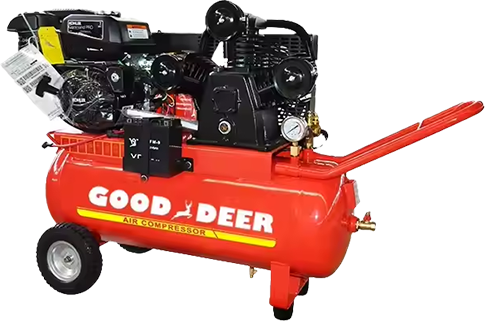
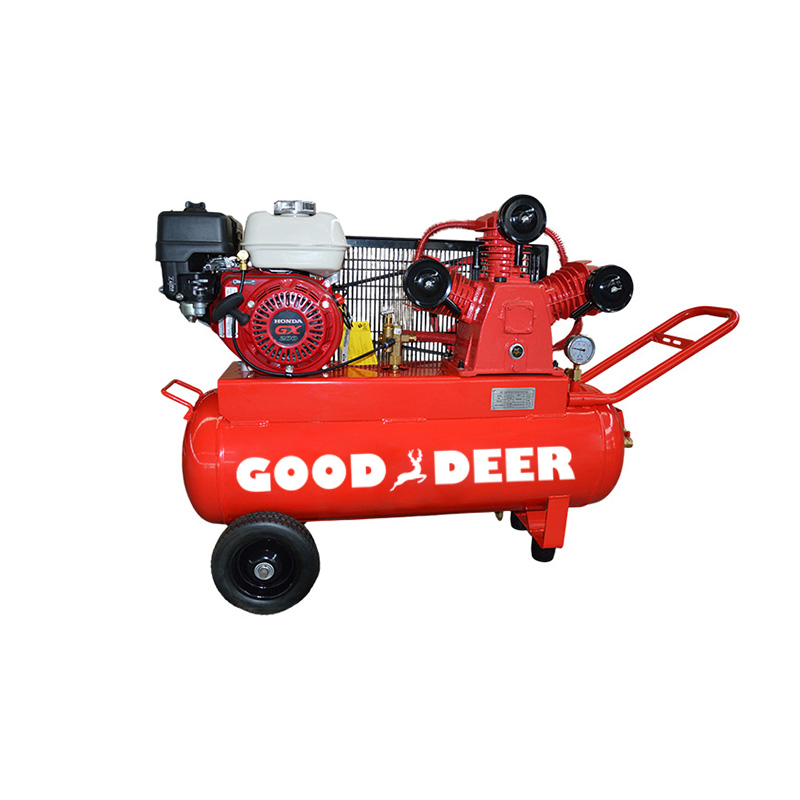
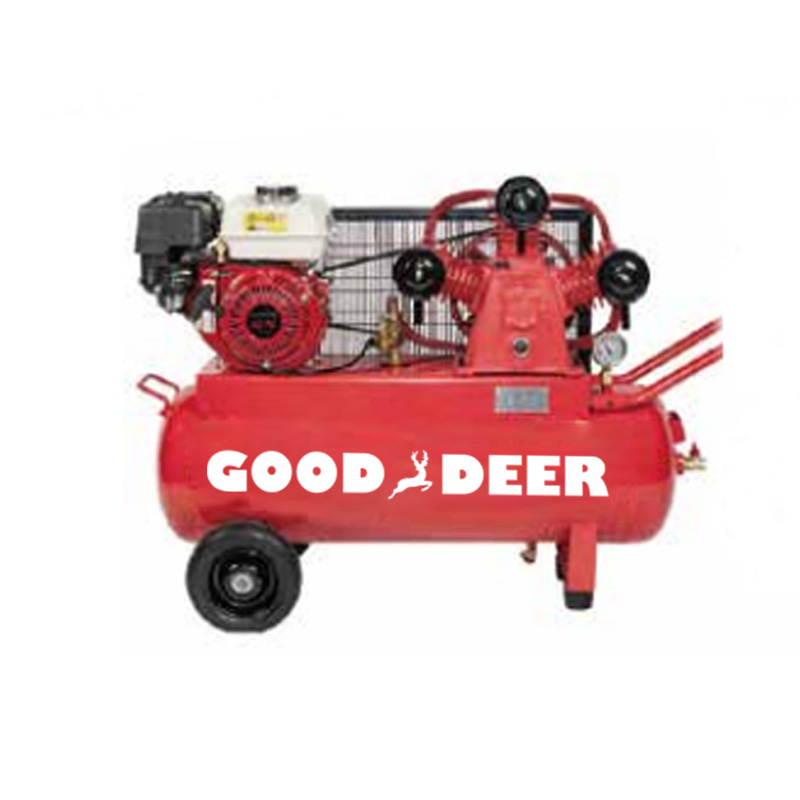
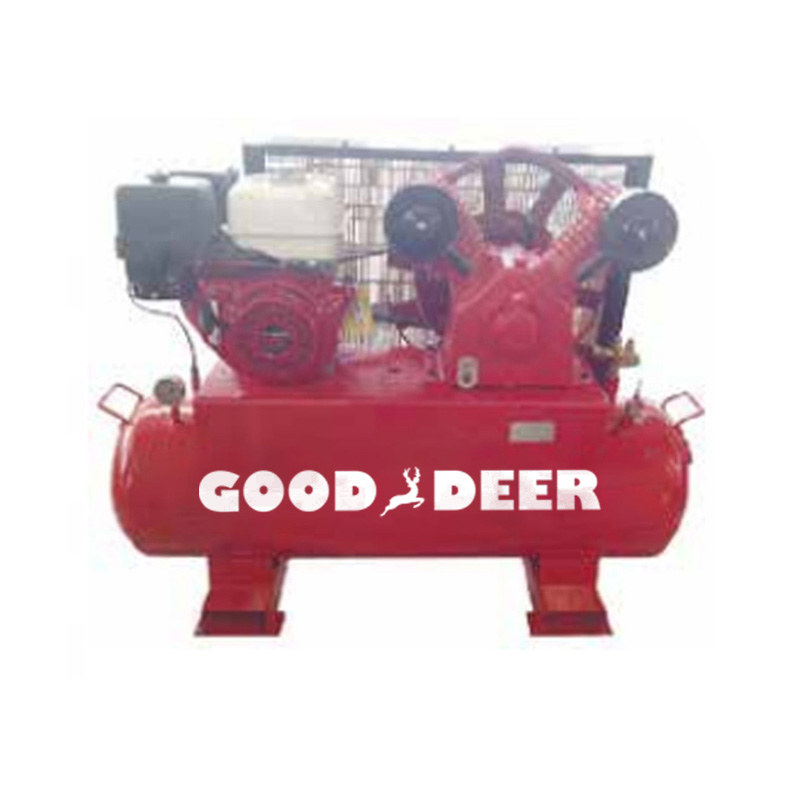
Petrol engine-driven piston air compressors are commonly used in various industries and construction sites due to their portability and ability to operate in areas without access to electricity. These compressors use a petrol engine to drive a piston that compresses air for various tasks such as powering pneumatic tools, inflating tires, and other heavy-duty applications. Like any mechanical equipment, regular maintenance and upkeep are essential to ensure the optimal performance and longevity of the compressor. At Gooddeer, we provide high-quality petrol engine-driven piston air compressors designed to meet the demands of industrial production, agricultural operations, and construction tasks.
Regular Oil Changes
One of the most crucial maintenance tasks for petrol engine-driven piston air compressors is regular oil changes. The engine oil lubricates the moving parts of the engine, reducing friction and preventing overheating. Over time, oil breaks down and can become contaminated with dirt and debris, leading to increased engine wear and decreased performance. It is important to follow the manufacturer's guidelines regarding oil change intervals and use the recommended type of oil to ensure optimal engine function.
When changing the oil, it is essential to check the oil level regularly to prevent the engine from running with insufficient lubrication. For maximum efficiency, Gooddeer recommends checking the oil level before each use and changing it at regular intervals to maintain engine performance and reduce the risk of engine failure.
Cleaning and Replacing Air Filters
The air filter plays a vital role in maintaining the air quality that enters the engine. A clogged or dirty air filter can reduce engine performance by restricting airflow, leading to inefficiency and higher fuel consumption. Regularly cleaning or replacing the air filter is essential for ensuring that the petrol engine-driven piston air compressor operates smoothly.
For compressors used in dusty or dirty environments, it may be necessary to clean the air filter more frequently. If the filter is damaged or worn, it should be replaced promptly to prevent debris from entering the engine. Ensuring a clean air filter will not only help maintain engine performance but also increase the lifespan of the compressor by preventing internal damage.
Inspecting the Fuel System
The fuel system of a petrol engine-driven piston air compressor requires regular inspection to ensure that it is functioning correctly. Over time, fuel lines can become clogged or cracked, and fuel filters can become dirty, leading to fuel inefficiency and potential engine issues. It is important to regularly inspect the fuel tank, fuel lines, and fuel filters for signs of wear or damage.
If the fuel filter becomes clogged, it should be replaced to ensure the engine receives clean fuel. Additionally, the fuel tank should be checked for water contamination, as water in the fuel system can cause the engine to misfire or fail. Draining any water from the fuel tank and ensuring clean, high-quality fuel is used will help maintain optimal engine performance.
Checking the Spark Plug and Ignition System
The spark plug is an essential component of the ignition system in a petrol engine. Over time, the spark plug can become dirty or worn, which can lead to poor engine performance, difficulty starting the engine, and increased fuel consumption. Regularly checking the spark plug and replacing it when necessary is an important maintenance task.
In addition to inspecting the spark plug, it is important to ensure that the ignition system is functioning properly. Check the ignition wires for any signs of wear or damage, and make sure the connections are secure. A well-maintained ignition system will ensure that the engine starts easily and runs smoothly, reducing downtime and improving efficiency.
Inspecting and Tightening Bolts and Connections
Regularly inspecting and tightening bolts and connections is essential for maintaining the safety and performance of a petrol engine-driven piston air compressor. Over time, vibrations from the engine can cause bolts and fasteners to loosen, which can lead to leaks, damage to components, or even operational failure. It is important to periodically check the compressor’s components, such as the air intake, exhaust, and pressure switches, to ensure they are securely fastened.
In addition to tightening bolts, inspecting hoses and connections for wear, cracks, or leaks is also important. If any components are damaged, they should be replaced to prevent air leakage or other issues that may affect the compressor's performance.
Maintaining the Cooling System
The cooling system of a petrol engine-driven piston air compressor is responsible for preventing the engine from overheating. It is important to ensure that the cooling system, whether it is air-cooled or liquid-cooled, is functioning properly. For air-cooled compressors, ensure that the cooling fins are clean and free from debris that could obstruct airflow.
For liquid-cooled compressors, regularly check the coolant levels and ensure that the radiator is free from blockages. A lack of coolant or a blocked cooling system can cause the engine to overheat, leading to potential damage. Maintaining a clean and properly functioning cooling system will help ensure that the compressor operates efficiently and extends the life of the engine.
Proper Storage and Seasonal Maintenance
Proper storage of a petrol engine-driven piston air compressor is crucial for maintaining its performance, especially when the compressor is not in use for extended periods. If the compressor will not be used for a while, it is recommended to drain the fuel tank and run the engine until it is empty to prevent fuel degradation and clogging of the fuel system.
In colder climates, it is important to store the compressor in a dry, warm place to prevent freezing of the fuel system and other components. During long periods of storage, it is also advisable to periodically check and maintain the compressor to ensure that it is in good working condition when it is needed again. Gooddeer offers reliable compressors designed to withstand different environmental conditions, and our team can assist with maintenance tips for seasonal storage.
Performance Monitoring and Troubleshooting
Regularly monitoring the performance of your petrol engine-driven piston air compressor can help identify potential issues before they lead to more significant problems. Checking the compressor’s output pressure, fuel consumption, and overall functionality will give you an indication of how well it is operating. Any changes in performance should be investigated promptly to prevent more serious damage.
When troubleshooting issues, it is essential to follow the manufacturer’s guidelines to diagnose and address problems. Gooddeer’s customer support team can assist with troubleshooting and offer guidance on resolving common compressor issues, ensuring that your equipment remains in good working order.
Maintenance Checklist
The following table summarizes key maintenance tasks for petrol engine-driven piston air compressors:
| Task |
Frequency |
| Change engine oil |
Every 50–100 hours of operation |
| Clean or replace air filter |
Every 25–50 hours of operation |
| Inspect fuel system |
Every 50 hours of operation |
| Check and replace spark plug |
Every 100 hours of operation |
| Tighten bolts and connections |
Every 50 hours of operation |
| Inspect and maintain cooling system |
Every 100 hours of operation |
By following these maintenance guidelines and keeping the petrol engine-driven piston air compressor in top condition, businesses can ensure that their compressors operate efficiently, minimize downtime, and extend the lifespan of the equipment. At Gooddeer, we are committed to providing high-quality mechanical products and services, including reliable air compressors that meet the needs of industrial, agricultural, and construction sectors.
FAQ
Q: What are the advantages of using a petrol engine-driven piston air compressor in remote locations?
A: Petrol engine-driven piston air compressors are ideal for remote locations where electricity is not readily available. These compressors can operate independently using petrol fuel, providing flexibility and mobility for tasks such as construction, agricultural operations, and industrial maintenance. Their portability makes them especially useful in areas without reliable access to power, and they are highly valued for their ability to function in off-grid environments.
Q: How does the fuel efficiency of a petrol engine-driven piston air compressor compare to other types of compressors?
A: The fuel efficiency of a petrol engine-driven piston air compressor can vary depending on the compressor’s size, engine capacity, and usage. Generally, petrol-driven compressors consume more fuel than electric models, but they offer greater portability and flexibility for remote applications. It is important to match the compressor's capacity with the specific needs of the job to optimize fuel consumption. Gooddeer’s petrol engine compressors are designed to deliver efficient performance for various applications while keeping fuel costs manageable.
Q: What are the common troubleshooting steps for a petrol engine-driven piston air compressor?
A: Common troubleshooting steps for a petrol engine-driven piston air compressor include checking the fuel system for contamination or blockages, inspecting the spark plug for wear or dirt, ensuring the air filter is clean, and verifying that the oil level is sufficient. Additionally, inspecting the motor and ensuring all connections are tight can help address performance issues. Regular maintenance and addressing any irregularities promptly will prevent major mechanical failures and extend the life of the compressor.
Q: Can a petrol engine-driven piston air compressor be used in harsh weather conditions?
A: Yes, petrol engine-driven piston air compressors can be used in harsh weather conditions, but extra precautions should be taken to ensure optimal performance. In extreme cold, the fuel may thicken, making it harder for the engine to start. It is important to use winter-grade fuel and store the compressor in a dry, warm area during non-use periods. For hot environments, ensure proper ventilation to prevent overheating. Gooddeer’s petrol engine compressors are designed to withstand a variety of environmental conditions, making them versatile for different climates.
Q: How often should I check the oil level in my petrol engine-driven piston air compressor?
A: The oil level should be checked regularly, especially before each use. In general, it is advisable to check the oil level after every 8 hours of use or once every 10-15 days, depending on the frequency of operation. If the oil level is low, it can lead to engine wear or even failure. Regular oil checks are essential for maintaining the smooth operation of the engine, ensuring that it remains properly lubricated. Gooddeer provides detailed oil change schedules to help maximize the performance and longevity of your compressor.
Q: Is it necessary to perform any special procedures when storing a petrol engine-driven piston air compressor for long periods?
A: When storing a petrol engine-driven piston air compressor for long periods, there are a few important steps to follow to prevent damage. It is recommended to drain the fuel tank to avoid fuel degradation, which can cause clogging of the fuel system. Additionally, the air filter should be cleaned, and the spark plug should be inspected or replaced. For optimal storage, keep the compressor in a dry, cool area and ensure that it is not exposed to extreme temperatures. These steps will help ensure that the compressor is ready for use when needed.
Q: Can a petrol engine-driven piston air compressor be used for continuous operation, or is it better suited for intermittent use?
A: Petrol engine-driven piston air compressors are generally better suited for intermittent use rather than continuous operation. Continuous use can lead to engine overheating, excessive fuel consumption, and faster wear on internal components. However, these compressors are highly effective for short-term, high-power tasks such as inflating tires, powering pneumatic tools, or small-scale industrial applications. If long hours of continuous operation are required, it is advisable to choose a model designed for such tasks or consider alternative power sources, such as electric-powered compressors.


 English
 русский
 Español
 عربى
عربى