How Can the Working Efficiency of an Electric Motor-Driven Piston Air Compressor Be Improved?
Introduction to Electric Motor-Driven Piston Air Compressors
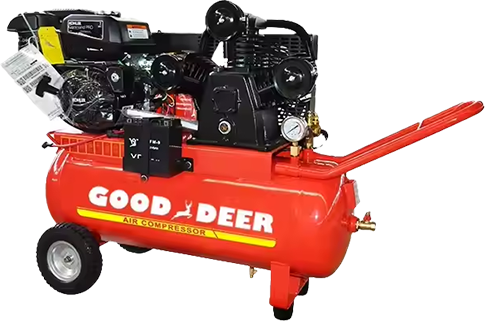
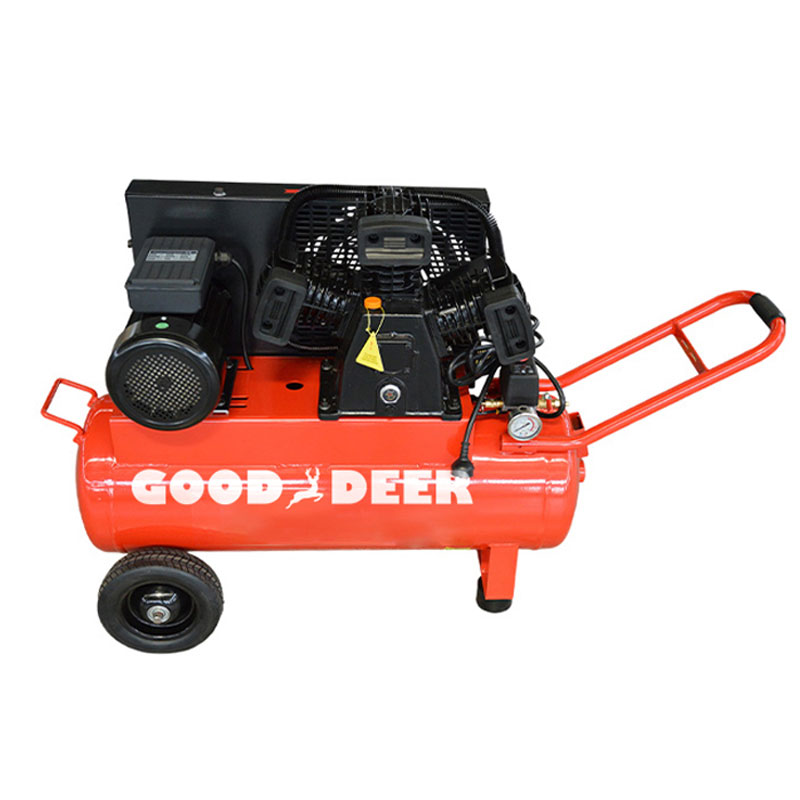
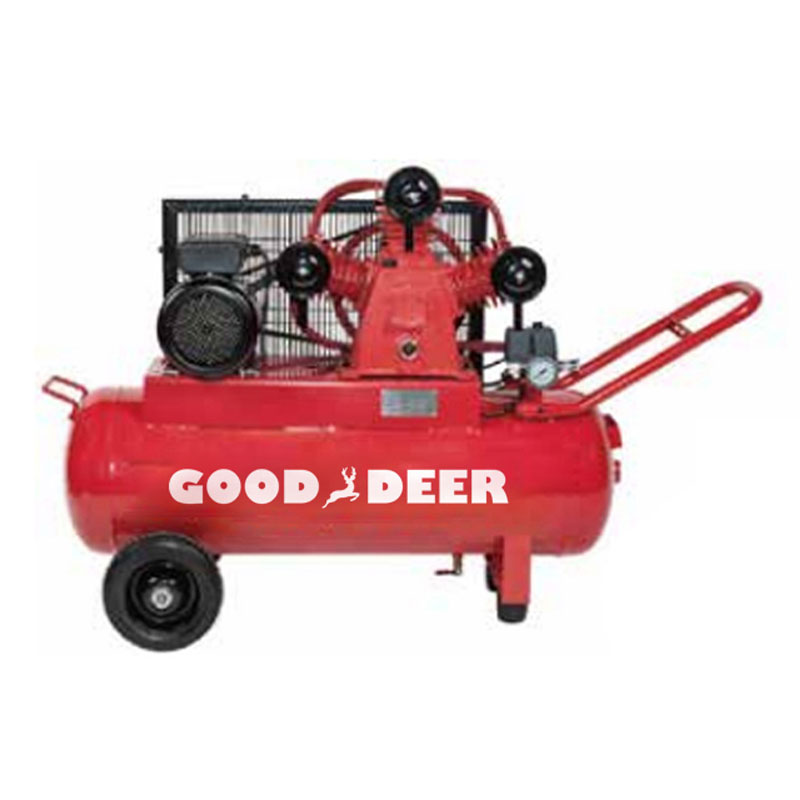
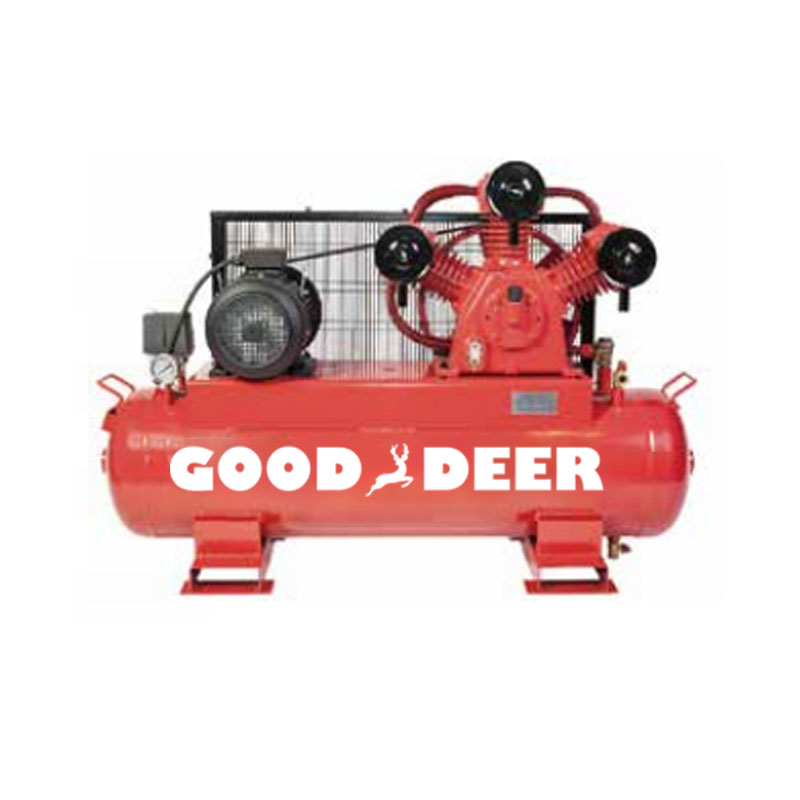
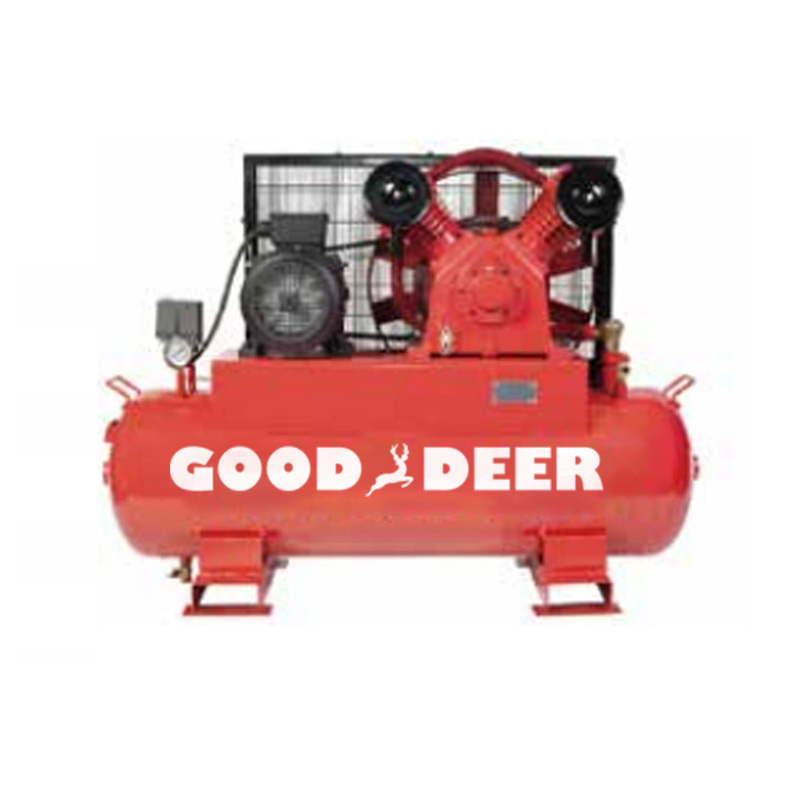
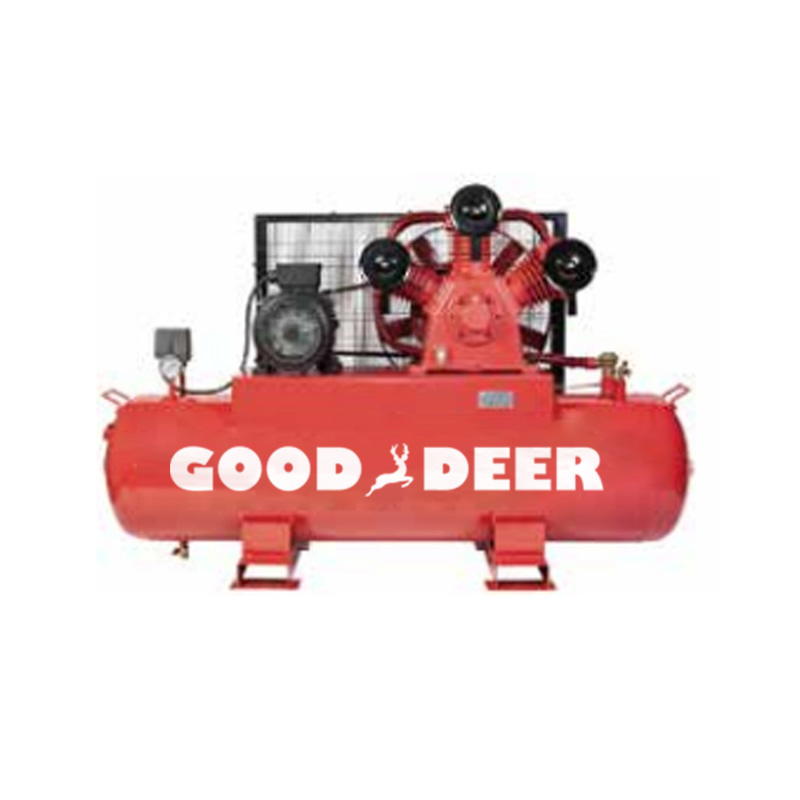
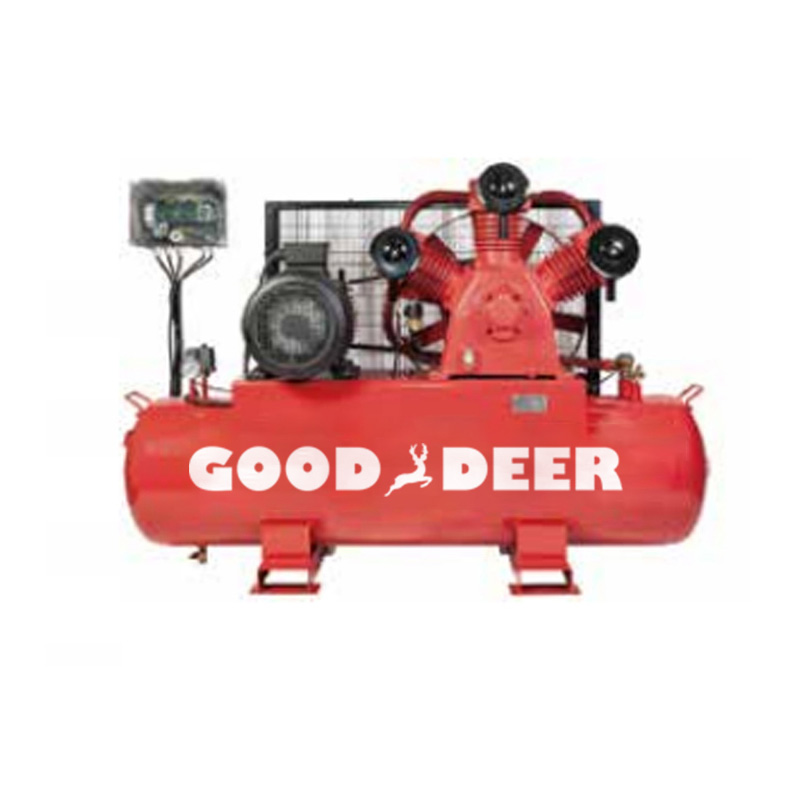
Electric motor-driven piston air compressors are commonly used in various industrial, agricultural, and construction applications. These compressors use an electric motor to drive a piston mechanism, which compresses air to higher pressure. At Gooddeer, we specialize in offering high-quality mechanical products, including air compressors, to meet the diverse needs of our customers. To ensure these compressors run efficiently, it's important to consider strategies for improving their working efficiency.
Regular Maintenance and Proper Lubrication
One of the most effective ways to improve the efficiency of an electric motor-driven piston air compressor is through regular maintenance. Regular maintenance helps keep the compressor operating at peak performance, ensuring that the motor, piston, and other components are functioning smoothly. A well-maintained compressor consumes less energy and operates more efficiently.
Proper lubrication is a key aspect of maintenance. Inadequate or dirty oil can cause increased friction between the moving parts, leading to higher energy consumption and premature wear. By ensuring that the compressor is properly lubricated, it reduces friction, minimizing energy losses and improving the overall efficiency of the system. It’s important to follow the manufacturer’s guidelines regarding oil changes and use the recommended oil type to ensure optimal performance.
Optimizing the Compressor's Pressure Settings
Another way to improve the efficiency of an electric motor-driven piston air compressor is by optimizing the pressure settings. Compressors typically work at a set pressure level, and setting the pressure too high can lead to increased energy consumption and unnecessary wear on the system. On the other hand, setting the pressure too low may not meet the demands of the application, resulting in inadequate air supply.
It is important to balance the pressure settings based on the required application. Using pressure regulators to maintain a steady and appropriate pressure level helps prevent overworking the compressor, thus improving energy efficiency and reducing operational costs. Gooddeer’s air compressors are designed to allow easy adjustments to pressure settings, ensuring that they perform efficiently for specific tasks.
Minimizing Air Leaks
Air leaks are a common problem in air compressor systems and can significantly reduce the working efficiency of the compressor. Leaks allow compressed air to escape, which results in higher energy consumption as the compressor has to work harder to maintain the desired pressure. Identifying and repairing leaks in the system is crucial for improving efficiency.
It is important to inspect the compressor's hoses, connections, and valves regularly to ensure that there are no leaks. Replacing worn-out seals or damaged parts helps maintain air pressure and reduces the compressor’s workload. Investing in high-quality fittings and connectors can also prevent air loss and improve the overall efficiency of the system.
Using an Efficient Motor and Drive Mechanism
The electric motor is a critical component in driving a piston air compressor, and using an energy-efficient motor can have a significant impact on the overall efficiency of the system. Motors with high-efficiency ratings consume less electricity, reducing operational costs while improving the compressor’s performance. Choosing a motor that matches the compressor's requirements can prevent overloading and enhance energy efficiency.
In addition, selecting an appropriate drive mechanism, such as a belt-driven or direct-driven system, can also affect efficiency. Belt-driven systems are generally more energy-efficient at lower speeds, while direct-drive systems provide higher performance and reduced energy consumption at higher speeds. Gooddeer offers a range of air compressors with efficient motors and drive systems to suit various industrial and agricultural applications.
Incorporating Energy-Saving Features
Modern electric motor-driven piston air compressors often come equipped with energy-saving features designed to optimize performance. These features may include automatic shut-off functions, variable-speed drives, and pressure switches that ensure the compressor operates only when necessary. By reducing the running time of the compressor and adjusting the speed to match the demand for compressed air, these features help reduce energy consumption and improve overall efficiency.
Variable-speed drives, for example, adjust the motor’s speed based on the compressor’s air demand, ensuring that the compressor uses only the necessary amount of energy. This can lead to significant energy savings over time, particularly in operations with fluctuating air requirements. Gooddeer’s air compressors are equipped with such energy-saving technologies, ensuring that they deliver high efficiency while keeping energy costs low.
Proper Sizing of the Compressor
Choosing the right-sized electric motor-driven piston air compressor is essential for achieving optimal efficiency. A compressor that is too large for the application will waste energy, while a compressor that is too small may struggle to meet the air demand, leading to frequent cycling and increased wear on the system. It is important to calculate the required airflow (CFM) and pressure (PSI) for your specific application to ensure that the compressor is appropriately sized.
At Gooddeer, we offer a wide range of compressors with various sizes and capacities to meet the needs of different industries, from small-scale agricultural operations to large industrial facilities. Properly sizing the compressor based on the specific requirements of your operation will help ensure efficient performance and extend the lifespan of the equipment.
Improving Ambient Conditions
The efficiency of an electric motor-driven piston air compressor can also be influenced by the environment in which it operates. Ambient temperature, humidity, and ventilation all play a role in the performance of the compressor. Operating the compressor in an environment with high temperatures or poor ventilation can increase the load on the motor and reduce its efficiency.
To improve efficiency, ensure that the compressor is installed in a well-ventilated area with a stable temperature. Proper ventilation allows the compressor to cool down more effectively, reducing the chances of overheating and ensuring smooth operation. Additionally, maintaining an optimal ambient temperature (typically between 40°F to 100°F) helps the compressor perform at its best and minimizes energy consumption.
Performance Monitoring and Data Analytics
Another way to improve the working efficiency of an electric motor-driven piston air compressor is by implementing performance monitoring and data analytics. Many modern compressors are equipped with sensors and monitoring systems that track key parameters such as pressure, temperature, and energy consumption. By monitoring these parameters, operators can detect inefficiencies early and take corrective actions before they lead to significant problems.
Data analytics can help identify trends in compressor performance, allowing businesses to schedule maintenance proactively and adjust operating conditions to optimize efficiency. Gooddeer offers air compressors with advanced monitoring features that help customers keep track of performance and make informed decisions regarding maintenance and energy use.
Comparison of Efficiency Improvement Methods
The table below compares the impact of various efficiency improvement methods for electric motor-driven piston air compressors:
| Method |
Effect on Efficiency |
| Regular Maintenance |
Reduces wear, lowers energy consumption, and ensures smooth operation. |
| Optimizing Pressure Settings |
Prevents overloading and reduces energy waste, ensuring appropriate air pressure for the task. |
| Minimizing Air Leaks |
Prevents unnecessary energy loss and improves overall system performance. |
| Using Energy-Efficient Motors |
Reduces electricity consumption and improves overall operational cost-effectiveness. |
| Incorporating Energy-Saving Features |
Adjusts compressor operation based on demand, reducing unnecessary energy use. |
| Proper Sizing of the Compressor |
Ensures the compressor is capable of meeting air demand without overloading, improving efficiency. |
| Improving Ambient Conditions |
Maintains optimal operating conditions, reducing strain on the compressor and improving energy use. |
By implementing these strategies, businesses can significantly improve the efficiency of their electric motor-driven piston air compressors, reducing energy consumption and operational costs while extending the lifespan of the equipment. At Gooddeer, we offer a wide range of air compressors with advanced features designed to meet the needs of various industries. Whether you are in manufacturing, agriculture, or construction, we can help you choose the right compressor for optimal performance and efficiency.
FAQ
Q: What factors should be considered when selecting an electric motor-driven piston air compressor for industrial use?
A: When selecting an electric motor-driven piston air compressor for industrial use, it's important to consider factors such as the required airflow (CFM), pressure (PSI), and duty cycle. Additionally, the power source, compressor size, and portability should be evaluated based on the specific needs of the operation. The type of tools and equipment that will be powered by the compressor, as well as the operational environment (temperature, ventilation), are also crucial factors in choosing the right compressor.
Q: How does the motor size affect the performance of an electric motor-driven piston air compressor?
A: The motor size plays a significant role in the overall performance of an electric motor-driven piston air compressor. A larger motor is capable of delivering higher power, which is essential for operating larger compressors or handling more demanding applications. However, the motor size must be appropriately matched with the compressor's requirements to avoid inefficiencies, overloading, or unnecessary energy consumption. Gooddeer’s compressors are designed to provide the optimal motor size for various applications, ensuring reliability and performance.
Q: Can electric motor-driven piston air compressors be used for both light and heavy-duty applications?
A: Yes, electric motor-driven piston air compressors can be used for both light and heavy-duty applications, but it is essential to choose a model that fits the specific requirements. For light-duty applications, such as small workshops or agricultural tasks, a smaller, portable compressor may be sufficient. For heavy-duty applications, such as industrial production or construction, a larger compressor with higher power output and a higher duty cycle is needed. Gooddeer offers a variety of compressors to cater to both light and heavy-duty requirements.
Q: How do electric motor-driven piston air compressors compare to other types of compressors in terms of energy efficiency?
A: Electric motor-driven piston air compressors are typically more energy-efficient compared to older, less modern models. They consume less energy when running, especially when compared to pneumatic or gasoline-powered compressors. However, their efficiency can vary based on factors such as the motor size, duty cycle, and maintenance. Regular maintenance, proper sizing, and optimized pressure settings are essential for maximizing the energy efficiency of piston compressors. Gooddeer ensures that all our compressors are designed to provide high efficiency and minimize operational costs.
Q: What is the expected lifespan of an electric motor-driven piston air compressor?
A: The lifespan of an electric motor-driven piston air compressor depends on factors such as the quality of the components, frequency of use, maintenance, and operating conditions. With proper maintenance, these compressors can last for many years. Regular servicing, such as changing oil, replacing worn-out parts, and checking for air leaks, can significantly extend the life of the compressor. Gooddeer provides durable compressors built with high-quality components to ensure long-lasting performance.
Q: How do ambient conditions, like temperature and humidity, affect the performance of an electric motor-driven piston air compressor?
A: Ambient conditions such as temperature and humidity can impact the performance of electric motor-driven piston air compressors. High temperatures can cause the motor to overheat, reducing its efficiency and potentially damaging the components. Similarly, high humidity can affect the air quality and lead to the formation of moisture in the compressor, which may cause corrosion or reduce performance. Ensuring the compressor is placed in a well-ventilated area with stable temperature and humidity levels is crucial for maintaining its efficiency. Gooddeer offers compressors designed to operate effectively in a wide range of environmental conditions.
Q: What maintenance tasks are essential to keep an electric motor-driven piston air compressor running efficiently?
A: Regular maintenance is essential to ensure the efficient operation of an electric motor-driven piston air compressor. Key tasks include checking and changing the oil, inspecting air filters and replacing them when necessary, lubricating moving parts, and monitoring the pressure settings. It’s also important to inspect hoses, connections, and valves for air leaks and replace worn-out components. Adhering to the manufacturer’s recommended maintenance schedule helps prevent costly repairs and ensures the compressor operates at optimal efficiency.


 English
 русский
 Español
 عربى
عربى